
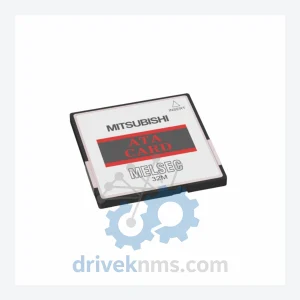
Mitsubishi MELSEC-Q Series Memory Modules: Q2MEM-32MBA
Mitsubishi Electric Q2MEM-32MBA is listed for MELSEC-Q RFQ review. Confirm quantity, condition and destination before quotation.
RFQ-ready industrial model
Model: QT-004AXE
Product Overview
Commercial availability is handled through direct RFQ, model verification and export-oriented follow-up rather than public cart checkout.
Datasheet Preview
Use attached product manuals when available. If the manual is not public yet, request the full file directly through RFQ.
Commercial Path
Product pages on DRIVEKNMS are designed to verify model, brand and series first, then move the buyer into one clean quotation path.
Technical Dossier
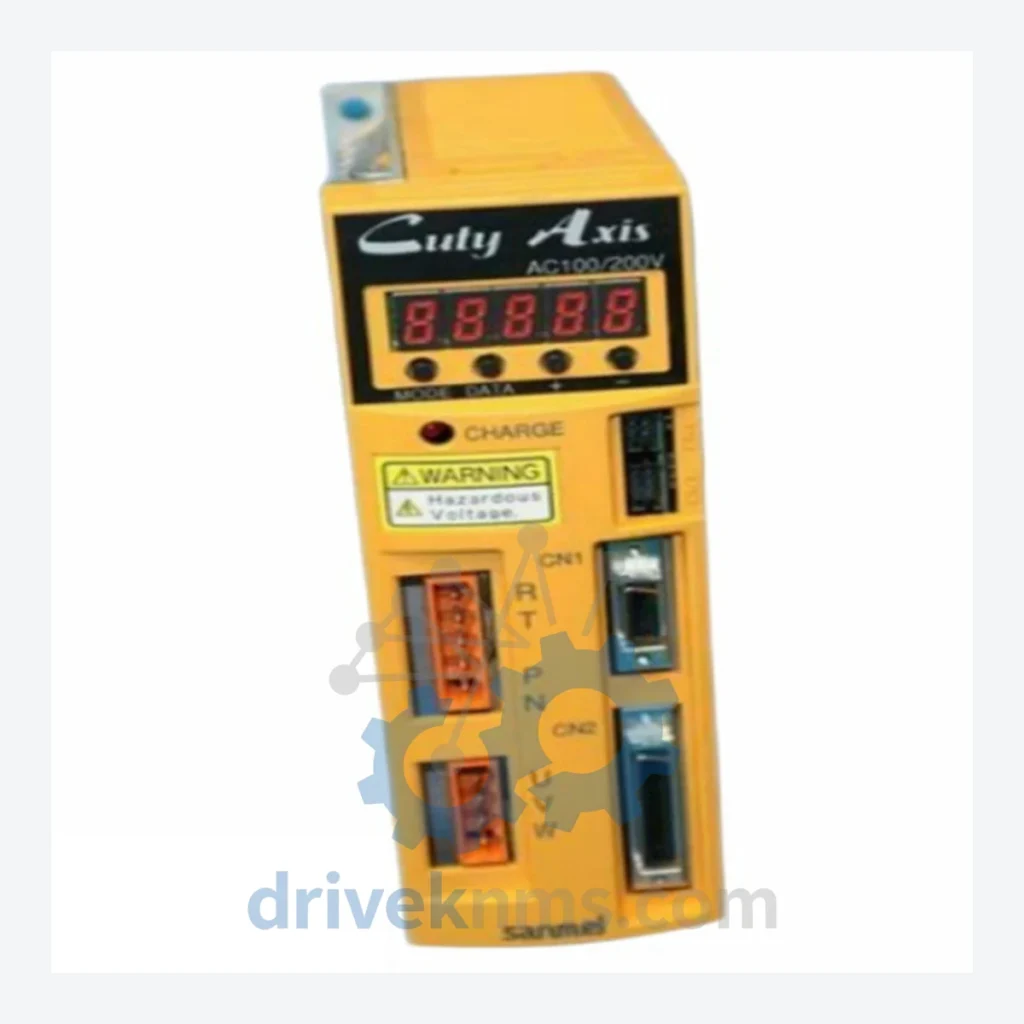
The Mitsubishi QT-004AXE is a discontinued extension module within the MELSEC-Q series architecture. DriveKNMS maintains sourced inventory of this component specifically to serve facilities that cannot afford the disruption of a platform change. This is not a catalog listing—it is a supply chain intervention for operations under real pressure.
RFQ support for obsolete parts: Send the model number, required quantity and destination so DriveKNMS can confirm sourcing options before quotation.
Note: Electrical parameters such as input voltage range, current consumption, and I/O point count are not published here to avoid inaccuracy. Confirmed specifications will be provided upon inquiry along with the unit's documentation.
The MELSEC-Q platform was Mitsubishi Electric's flagship modular PLC architecture for over two decades. It became deeply embedded in process control, motion control, and factory automation across Asia, Europe, and North America. Facilities that standardized on MELSEC-Q during the 1990s and 2000s built entire production ecosystems around its backplane architecture, programming conventions, and I/O topology.
Mitsubishi has transitioned its current portfolio toward the iQ-R and iQ-F platforms. While migration paths exist, they are not trivial. A MELSEC-Q to iQ-R migration requires hardware replacement across every rack, re-validation of all ladder logic, re-certification of safety-critical sequences, and retraining of maintenance personnel. For a mid-sized facility with 20–40 Q-series racks, this is a multi-year capital project.
The QT-004AXE extension module sits within this architecture as a structural component. Its failure does not merely reduce capacity—it can render an entire rack or extension chain inoperable. Sourcing a verified replacement unit from a specialist supplier like DriveKNMS is the only path that preserves the existing system investment without triggering a forced migration timeline.
Obsolete hardware sourced from secondary markets carries inherent risk. DriveKNMS applies a structured 5-step quality process to every unit before it leaves our facility:
The primary operational value of sourcing an original QT-004AXE—rather than attempting a cross-platform workaround—is direct hardware compatibility. This module installs into the existing MELSEC-Q rack without modification to the backplane, wiring, or software configuration. There is no requirement to remap I/O addresses, modify GX Works project files, or engage a systems integrator for recommissioning.
This drop-in replacement capability has direct financial consequences. Engineering labor for a partial system reconfiguration on a MELSEC-Q platform typically runs 40–120 hours depending on system complexity. At industrial engineering rates, that represents a cost that dwarfs the price of a sourced spare module many times over. Beyond labor, any modification to a validated production control system may trigger re-qualification requirements under ISO, FDA, or industry-specific compliance frameworks—adding further cost and delay.
Maintaining the original hardware configuration also preserves the institutional knowledge embedded in the existing program. Maintenance technicians who have worked with the MELSEC-Q platform for years can service a like-for-like replacement without retraining. This operational continuity is a measurable asset that does not appear on a capital expenditure spreadsheet but is felt immediately when a line goes down at 2 AM.
Q: How are RFQ terms confirmed?
A: Quantity, required condition, documentation needs, destination and sourcing route are confirmed during RFQ review before quotation.
Q: Can you support multi-unit or repeat RFQ requests?
A: Yes. Send the model list, target quantity and destination so DRIVEKNMS can review sourcing options and quote the requirement as a project RFQ.
Continue The Model Path
Move from this exact model into the matching system hub, brand archive, model-family archive or lifecycle sourcing route before sending a final RFQ list.
Related Paths
Mitsubishi Electric Q2MEM-32MBA is listed for MELSEC-Q RFQ review. Confirm quantity, condition and destination before quotation.
Mitsubishi Electric QJ71LP21S-25 is listed for MELSEC-Q RFQ review. Confirm quantity, condition and destination before quotation.
Mitsubishi Electric Q65WRB is listed for MELSEC-Q RFQ review. Confirm quantity, condition and destination before quotation.