
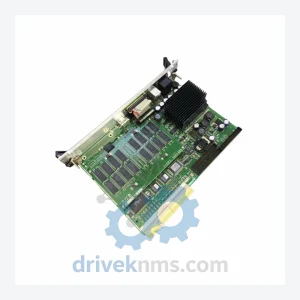
Sanritz SC2060-2-S Automation Relay – SC Series
Sanritz SC2060-2-S is listed for SC Series RFQ review. Confirm quantity, condition and destination before quotation.
RFQ-ready industrial model
Model: SC2120-3 SC2120
Product Overview
Commercial availability is handled through direct RFQ, model verification and export-oriented follow-up rather than public cart checkout.
Datasheet Preview
Use attached product manuals when available. If the manual is not public yet, request the full file directly through RFQ.
Commercial Path
Product pages on DRIVEKNMS are designed to verify model, brand and series first, then move the buyer into one clean quotation path.
Technical Dossier
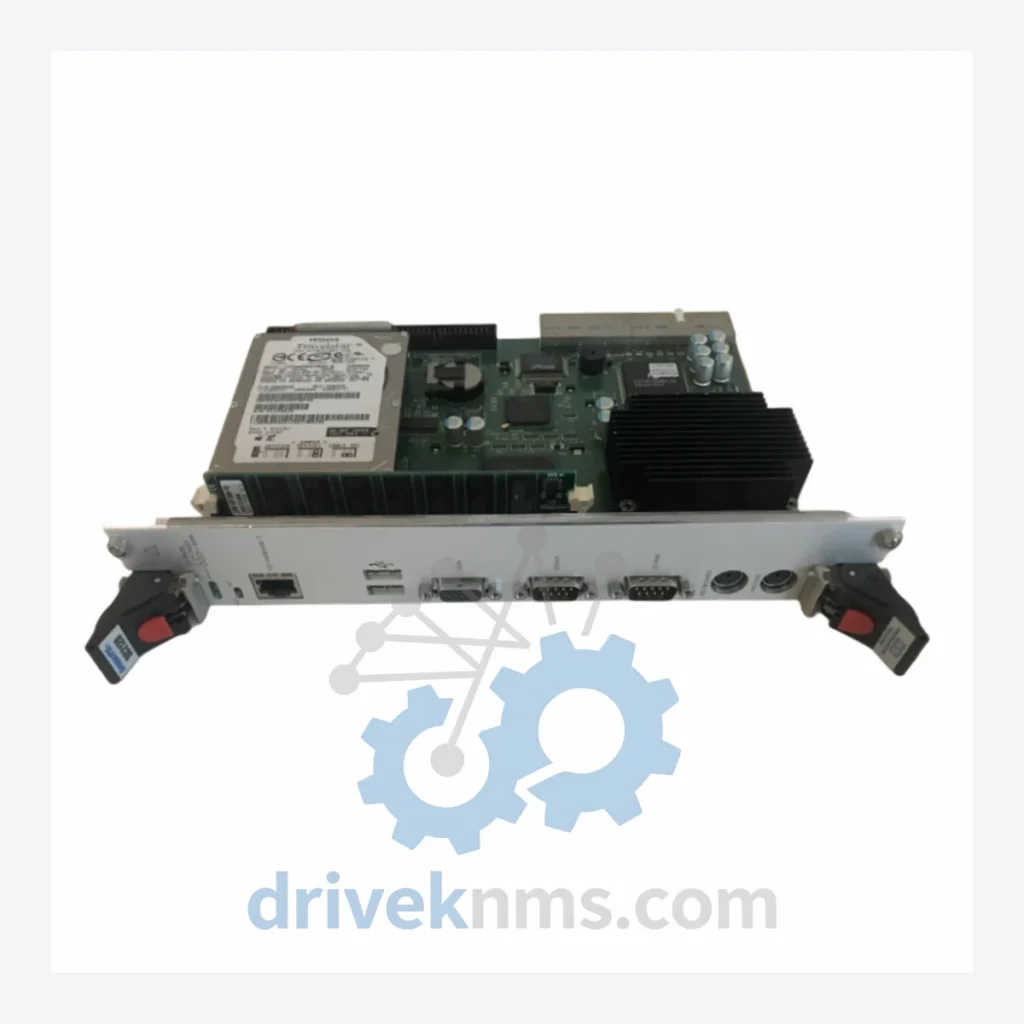
The SANRITZ SC2120 series is a distributed control system (DCS) processor and I/O module platform developed by Sanritz Automation Co., Ltd. (Japan). This series has been deployed across heavy industrial sectors including petrochemical refineries, chemical processing plants, power generation facilities, and pulp & paper mills throughout Asia-Pacific and beyond. The SC2120 platform is characterized by its modular backplane architecture, deterministic scan-cycle execution, and compatibility with SANRITZ's proprietary field bus infrastructure. Its installed base in long-lifecycle industrial environments means demand for spare parts and replacement boards remains active well into the platform's mature phase.
The SC2120 series was introduced as part of SANRITZ's second-generation DCS platform, succeeding earlier relay-logic and analog control panels. The architecture centers on a passive backplane bus that allows hot-swap-capable module insertion in supported configurations. Early revisions of the SC2120 processor board (including the SC2120-1 and SC2120-2 suffixes) used mask-ROM firmware with fixed scan rates. The SC2120-3 revision introduced EEPROM-based firmware storage, enabling field firmware updates and expanded diagnostic registers accessible via the front-panel RS-232 port.
Compatibility across suffix revisions is partial: SC2120-3 boards are backward-compatible with SC2120-2 backplane slots in most chassis configurations, but firmware version alignment with the system supervisor module is required. Migration from SC2120-1 to SC2120-3 requires a backplane adapter bracket in certain chassis generations. As the SC2120 series has entered its end-of-production phase, SANRITZ no longer manufactures new units; lifecycle extension is now the primary procurement strategy for existing installations.
The following SKUs represent verified components within the SANRITZ SC2120 platform. Units are classified by functional role:
Processor / CPU Modules
Digital Input (DI) Modules
Digital Output (DO) Modules
Analog Input (AI) Modules
Analog Output (AO) Modules
Communication & Network Adapters
Power Supply Modules
SANRITZ has formally discontinued new production of the SC2120 series. For facilities operating SANRITZ-based DCS installations, unplanned board failures present a critical operational risk when OEM channels are exhausted. DriveKNMS maintains a dedicated inventory of tested SC2120-series modules sourced through authorized decommissioning projects, factory overstock channels, and certified refurbishment pipelines.
The SC2120 backplane bus operates at 5VDC logic levels with a proprietary parallel data bus. Standard bench testing protocols are insufficient for validating SC2120 processor boards without a compatible chassis and supervisor module. DriveKNMS employs dedicated SC2120-series test fixtures that replicate the backplane electrical environment, enabling full functional verification including: CPU boot sequence and firmware integrity check; scan cycle timing verification against specification (±2ms tolerance); all I/O channel functional tests under simulated load; communication port loopback and protocol handshake validation; and thermal soak testing at 50°C for 4 hours prior to shipment approval.
Continue The Model Path
Move from this exact model into the matching system hub, brand archive, model-family archive or lifecycle sourcing route before sending a final RFQ list.
Related Paths
Sanritz SC2060-2-S is listed for SC Series RFQ review. Confirm quantity, condition and destination before quotation.
Sanritz SC4008-A-1-S SC4008-B-0-S is listed for Servo Drives RFQ review. Confirm quantity, condition and destination before quotation.
Sanritz SC2410 SC2410-3-S is listed for Monitoring Systems RFQ review. Confirm quantity, condition and destination before quotation.