
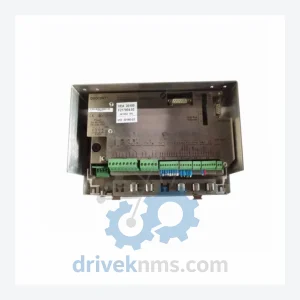
Schenck VEA20100 F217904.02 VIO20160-03 Modules
Schenck VEA20100 F217904.02 VIO20160-03 is listed for Monitoring Systems RFQ review. Confirm quantity, condition and destination before quotation.
RFQ-ready industrial model
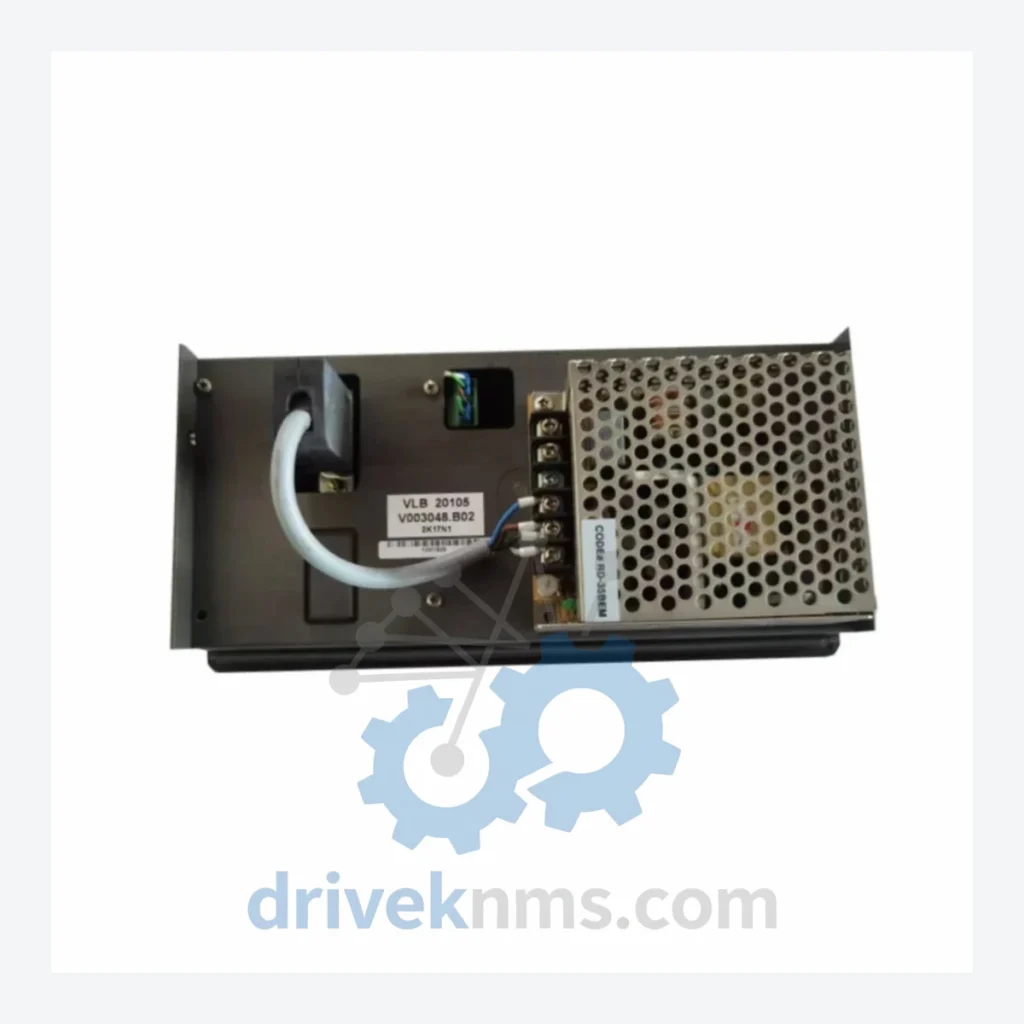
Model: VLB20105 V003048.B02
Product Overview
Commercial availability is handled through direct RFQ, model verification and export-oriented follow-up rather than public cart checkout.
Datasheet Preview
Use attached product manuals when available. If the manual is not public yet, request the full file directly through RFQ.
Commercial Path
Product pages on DRIVEKNMS are designed to verify model, brand and series first, then move the buyer into one clean quotation path.
Technical Dossier
RFQ support for obsolete parts: Send the model number, required quantity and destination so DriveKNMS can confirm sourcing options before quotation.
| Parameter | Detail |
|---|---|
| Manufacturer | Schenck (Carl Schenck AG / Schenck Process) |
| Part Number | VLB20105 |
| Version / Revision | V003048.B02 |
| Product Type | Electronic Control / Measurement Module |
| Country of Origin | Germany |
| Discontinuation Status | Obsolete – No longer in production. Replacement sourcing only via aftermarket suppliers. |
| Compatible Systems | Schenck legacy balancing and vibration measurement platforms (VLB series) |
| Electrical Parameters | Refer to original Schenck system documentation. Parameters not independently verified; consult OEM manuals for exact ratings. |
The Schenck VLB series was deployed extensively in precision balancing systems across automotive, aerospace, turbine, and heavy industrial manufacturing. These systems were engineered for decades of service life, and many remain in active production today. The VLB20105 V003048.B02 module performs measurement and signal processing functions that are deeply integrated into the control architecture of these platforms.
There is no generic substitute. The module's firmware, communication protocol, and physical interface are specific to the Schenck system it was designed for. Attempting to retrofit a modern replacement requires re-engineering the control loop, revalidating measurement accuracy, and retraining operators — a process that typically takes 6 to 18 months and carries significant risk of introducing new failure modes into a previously stable system.
For plant managers facing pressure to retire aging Schenck balancing lines, the arithmetic is straightforward: a single verified spare module at a fraction of the cost of system replacement buys 5 to 10 additional years of productive asset life. Facilities that maintain a strategic inventory of two to three critical boards — including the VLB20105 — effectively remove hardware obsolescence as a forced retirement trigger. The machine continues to earn; the capital expenditure is deferred on the plant's own terms.
Sourcing obsolete industrial electronics carries inherent risk. DriveKNMS applies a structured 5-step qualification process to every unit before it is offered for sale:
Step 1 – Visual and Physical Inspection: Full board examination for mechanical damage, burn marks, cracked solder joints, and pin corrosion. Corroded or oxidized connector pins are cleaned or flagged for rejection.
Step 2 – Electrolytic Capacitor Assessment: Aged electrolytic capacitors are the primary failure point in boards of this generation. Each capacitor is checked for bulging, leakage, and ESR deviation. Units with degraded capacitors are either recapped or removed from inventory.
Step 3 – Firmware and Revision Verification: The hardware revision marking (V003048.B02) is confirmed against the physical board. Firmware version is documented where accessible. Mismatched or unknown revisions are disclosed prior to sale.
Step 4 – Functional Bench Test: Where test fixtures are available, the module is powered and basic signal integrity is verified. Test results are documented and available on request.
Step 5 – Packaging and ESD Protection: Units are stored and shipped in anti-static packaging with humidity indicators. Long-term storage units are vacuum-sealed.
Drop-in replacement: The VLB20105 V003048.B02 installs directly into the existing Schenck system slot. No hardware modification to the host system is required.
No reprogramming required: The module carries its own firmware. System parameters stored in the host controller are preserved. Commissioning time is limited to physical installation and system restart verification.
Avoids engineering reconstruction costs: Keeping the original Schenck architecture intact eliminates the need for control system redesign, third-party integration engineering, and process requalification — costs that routinely exceed the value of the original equipment.
Extends asset service life by 5–10 years: A single spare board, properly stored, provides insurance against the most common single-point failure that forces premature system retirement. Facilities with two or more units on hand have effectively removed hardware obsolescence as an unplanned risk.
How do I know the unit is genuine and not counterfeit?
All units sourced by DriveKNMS are inspected for OEM markings, PCB layer consistency, and component date codes. We do not sell units where authenticity cannot be confirmed. Provenance documentation is available for units where supply chain records exist.
Continue The Model Path
Move from this exact model into the matching system hub, brand archive, model-family archive or lifecycle sourcing route before sending a final RFQ list.
Related Paths
Schenck VEA20100 F217904.02 VIO20160-03 is listed for Monitoring Systems RFQ review. Confirm quantity, condition and destination before quotation.
Schenck VMD20150.xx V003853.B11 VMD20150 is listed for Servo Drives RFQ review. Confirm quantity, condition and destination before quotation.
Schenck V064089.B01 is listed for HMI Panels RFQ review. Confirm quantity, condition and destination before quotation.