
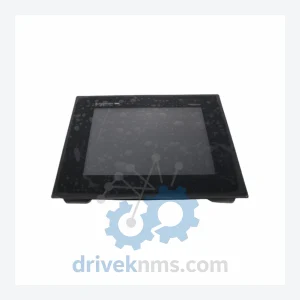
Schneider Electric HMIGTO5310 HMI Touchscreen Panel – Magelis GTO Series
Schneider Electric HMIGTO5310 is listed for Magelis GTO Series RFQ review. Confirm quantity, condition and destination before quotation.
RFQ-ready industrial model
Model: XBTF034510
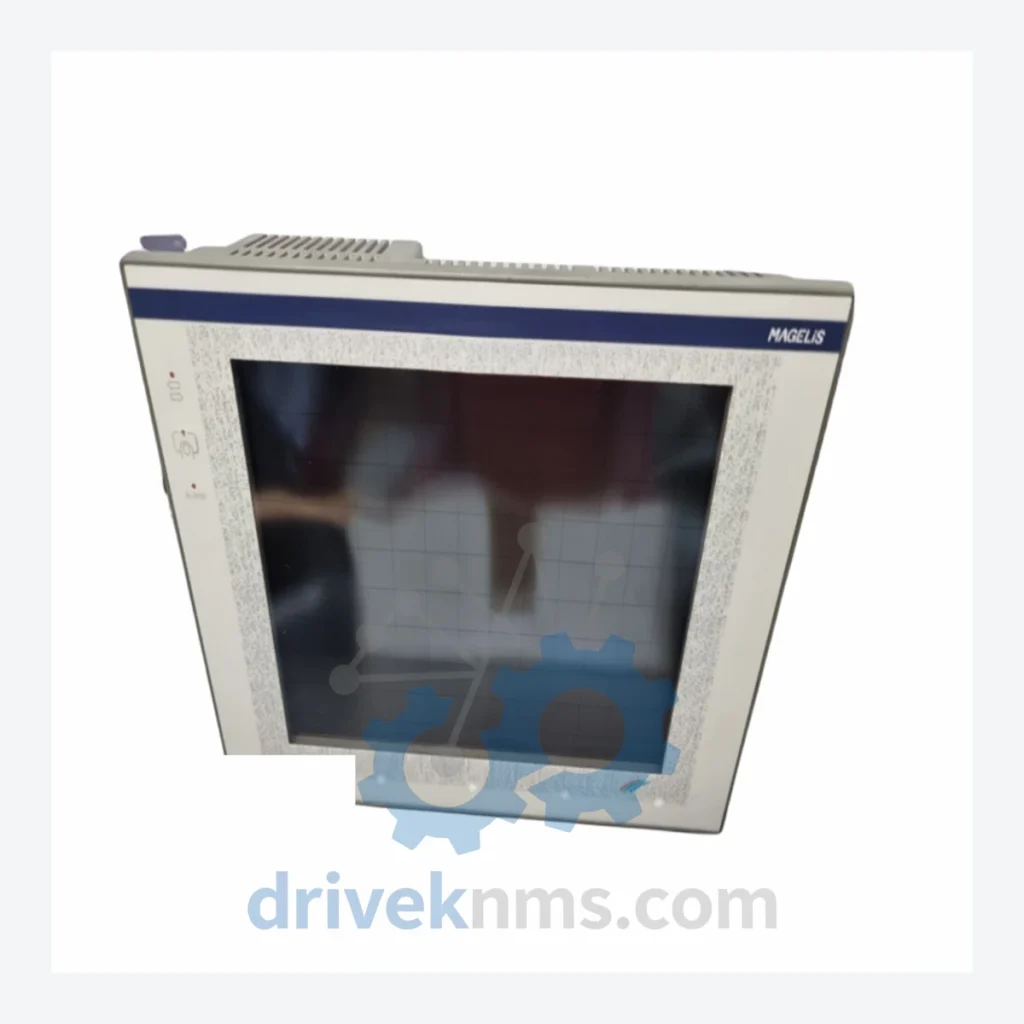
Product Overview
Commercial availability is handled through direct RFQ, model verification and export-oriented follow-up rather than public cart checkout.
Datasheet Preview
Use attached product manuals when available. If the manual is not public yet, request the full file directly through RFQ.
Commercial Path
Product pages on DRIVEKNMS are designed to verify model, brand and series first, then move the buyer into one clean quotation path.
Technical Dossier
The Schneider Electric Magelis XBTF series represents one of the most widely deployed compact HMI (Human-Machine Interface) operator panel families in global heavy industry. Installed across petrochemical complexes, nuclear power auxiliary systems, offshore oil platforms, and continuous-process refineries, the XBTF range established a benchmark for panel-mount operator terminals in the late 1990s through the 2010s. Its monochrome and color STN/TFT display variants, combined with robust membrane keypad interfaces, made it the default choice for machine-level visualization in environments where reliability over aesthetics was the primary engineering criterion. The series interfaces natively with Schneider Electric PLCs (Modicon TSX Micro, Premium, Quantum) via Uni-Telway and Modbus RTU, and supports third-party connectivity through RS-232/RS-485 serial protocols, giving it broad cross-platform deployment capability in mixed-vendor automation architectures.
The XBTF series was introduced by Schneider Electric (then Telemecanique) as a successor to the earlier XBT-F compact terminal lines, consolidating display resolution, communication protocol support, and memory capacity into a standardized form factor. Early variants (circa 1998–2003) featured monochrome STN LCD displays with resolutions of 128×64 pixels and internal application memory of 32 KB, programmed via the XBT-L1000 or PL7 Micro software environments. Mid-generation models (2003–2008) introduced higher-resolution displays (240×128), expanded memory (up to 256 KB), and USB programming ports, while retaining backward-compatible serial communication pinouts. Late-generation XBTF units (2008–2014) added Ethernet-optional variants and compatibility with Vijeo Designer Lite, Schneider's unified HMI development environment. The entire XBTF product line reached end-of-active-production status by approximately 2015–2018, with Schneider Electric designating the Magelis GTO, GTU, and HMIGTO series as the recommended migration path. However, due to the enormous installed base in legacy plant infrastructure — particularly in facilities with 20–30 year equipment lifecycles — demand for XBTF spare parts and replacement units remains structurally persistent.
The following SKUs represent verified models within the Schneider Electric Magelis XBTF series, classified by display type, resolution, and communication interface:
XBTF034510: 5.7" STN monochrome LCD, RS-232/RS-485, Uni-Telway, 128×128 px, panel-mount operator terminal.
XBTF032110: 3.8" STN monochrome, RS-232, Uni-Telway/Modbus RTU, compact keypad HMI, 128×64 px.
XBTF032310: 3.8" STN monochrome, RS-485 dual-port, Modbus RTU master/slave, 128×64 px.
XBTF034110: 5.7" STN monochrome, RS-232 single-port, Uni-Telway protocol, 240×128 px.
XBTF034310: 5.7" STN monochrome, RS-485, Modbus RTU, 240×128 px, DIN-rail compatible.
XBTF034710: 5.7" STN monochrome, RS-232/RS-485 combo, extended memory 256 KB, 240×128 px.
XBTF036110: 5.7" STN color (4-color), RS-232, Uni-Telway, 320×240 px QVGA display.
XBTF036310: 5.7" STN color, RS-485, Modbus RTU, 320×240 px, IP65 front panel.
XBTF036510: 5.7" STN color, RS-232/RS-485, Uni-Telway + Modbus, 320×240 px, 512 KB memory.
XBTF038110: 8.4" TFT color, RS-232, Uni-Telway, 640×480 px VGA, backlit display.
XBTF038310: 8.4" TFT color, RS-485, Modbus RTU, 640×480 px, industrial-grade backlight.
XBTF038510: 8.4" TFT color, RS-232/RS-485, full Magelis protocol suite, 640×480 px.
XBTF039110: 10.4" TFT color, RS-232, Uni-Telway, 800×600 px SVGA, high-brightness panel.
XBTF039310: 10.4" TFT color, RS-485, Modbus RTU, 800×600 px, extended temperature range.
XBTF039510: 10.4" TFT color, RS-232/RS-485, Vijeo Designer Lite compatible, 800×600 px.
XBTF032510: 3.8" STN monochrome, RS-232/RS-485 combo, Uni-Telway + Modbus, 128×64 px.
XBTF034910: 5.7" STN monochrome, USB programming port, RS-485, 240×128 px, late-series variant.
The XBTF series presents specific quality verification challenges due to its age profile and the complexity of its display and communication subsystems. DriveKNMS applies a structured test protocol to all XBTF units prior to dispatch. Display assembly verification includes full-screen pixel mapping to identify dead pixel clusters, backlight luminance measurement against original Schneider Electric specifications (minimum 70% of rated NIT value for acceptance), and contrast ratio validation under simulated ambient industrial lighting. Communication port testing covers RS-232 and RS-485 signal integrity using protocol analyzers configured for Uni-Telway and Modbus RTU frame structures, with loopback and master-slave handshake verification. Internal memory integrity is confirmed via full read/write cycle testing using Vijeo Designer Lite or XBT-L1000 software. Keypad membrane assemblies are tested for actuation force consistency and contact resistance across all keys. Units that fail any single test parameter are quarantined for component-level repair or parts recovery and are not released for sale as functional units.
Continue The Model Path
Move from this exact model into the matching system hub, brand archive, model-family archive or lifecycle sourcing route before sending a final RFQ list.
Related Paths
Schneider Electric HMIGTO5310 is listed for Magelis GTO Series RFQ review. Confirm quantity, condition and destination before quotation.
Schneider Electric HMIGTO4310 is listed for HMI Panels RFQ review. Confirm quantity, condition and destination before quotation.
Schneider Electric SCHNEIDER HMIGXU3512 Electric Touchscreen is listed for Magelis GXU Series RFQ review. Confirm quantity, condition and destination before quotation.