
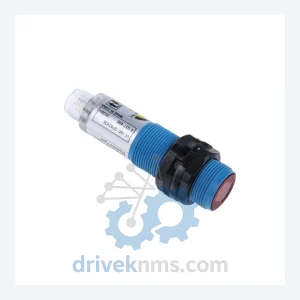
SICK VL180-2P42436 Photoelectric Sensor – Obsolete W180 Spare Part
Sick VL180-2P42436 is listed for Monitoring Systems RFQ review. Confirm quantity, condition and destination before quotation.
RFQ-ready industrial model
Model: MSC800 2042329
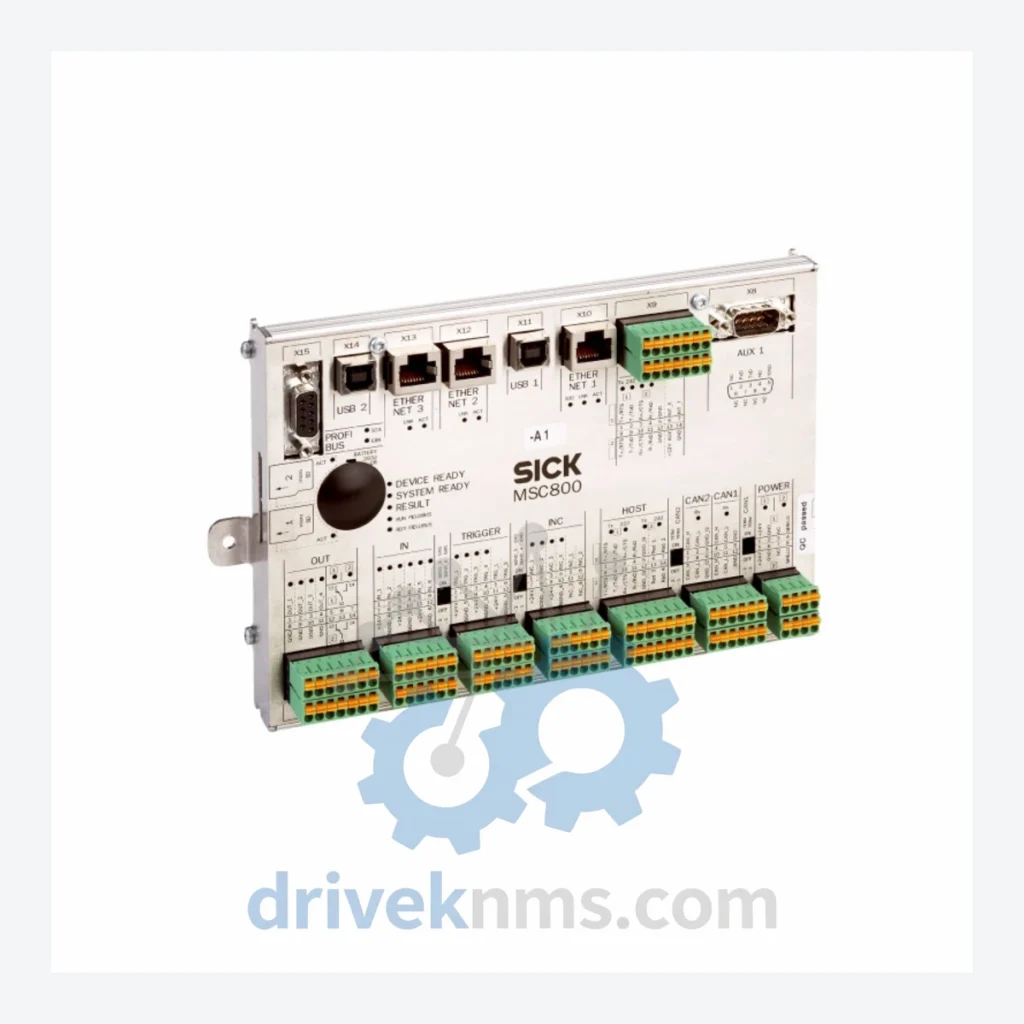
Product Overview
Commercial availability is handled through direct RFQ, model verification and export-oriented follow-up rather than public cart checkout.
Datasheet Preview
Use attached product manuals when available. If the manual is not public yet, request the full file directly through RFQ.
Commercial Path
Product pages on DRIVEKNMS are designed to verify model, brand and series first, then move the buyer into one clean quotation path.
Technical Dossier
RFQ support for obsolete parts: Send the model number, required quantity and destination so DriveKNMS can confirm sourcing options before quotation.
| Parameter | Detail |
|---|---|
| Manufacturer | SICK AG |
| Part Number | MSC800 2042329 |
| Product Family | MSC800 Modular Safety Controller |
| Product Category | Programmable Safety Controller / Safety PLC |
| Country of Origin | Germany |
| Discontinuation Status | Discontinued / Obsolete – No longer in active production by SICK AG |
| Typical System Compatibility | SICK MSC800 safety controller platform; compatible with SICK Safety Designer configuration software |
| Communication | EFI (Enhanced Function Interface) for SICK sensor integration |
| Safety Standard | IEC 62061 SIL 3 / EN ISO 13849-1 PLe Cat. 4 (platform-level rating) |
Note: Specific electrical parameters for this exact article number are not published in open documentation. DriveKNMS does not fabricate specifications. Contact us for datasheet support.
The SICK MSC800 platform was widely adopted in automotive body shops, press lines, palletizing cells, and collaborative robot perimeter guarding systems throughout the 2000s and 2010s. Its modular architecture — where the central controller coordinates inputs from safety laser scanners, light curtains, and emergency stop circuits — made it the backbone of complex, multi-zone safety systems. That same architectural depth is now the source of the discontinuation problem.
Sourcing a verified MSC800 2042329 from DriveKNMS eliminates that path entirely. The existing safety program remains intact. The existing wiring remains intact. The existing validation documentation remains intact. The only change is the physical module.
This is the core logic behind long-term obsolete parts procurement: the cost of the spare part is not measured against its purchase price. It is measured against the cost of the system change it prevents. For assets with 8–15 years of remaining productive life, maintaining a two-to-three unit buffer of critical discontinued controllers is a straightforward capital protection decision. Facilities that implement structured obsolescence sparing programs routinely extend automation asset service life by 5 to 10 years beyond the OEM's support window — deferring multi-million dollar capital expenditure cycles without compromising safety compliance.
Obsolete parts sourced from the secondary market carry inherent risk. DriveKNMS applies a structured 5-step inspection protocol to every MSC800 2042329 unit before it is offered for sale:
Step 1 – Visual and Mechanical Inspection: Full external examination for housing cracks, connector damage, and label integrity. Units with physical damage that could affect sealing or connector engagement are rejected.
Step 2 – Electrolytic Capacitor Assessment: Aged safety controllers are susceptible to electrolytic capacitor degradation, which causes erratic behavior or failure under load. Each unit is inspected for capacitor bulging, leakage, and ESR deviation. Units with suspect capacitors are either reconditioned by qualified technicians or removed from inventory.
Step 3 – Firmware Version Verification: The MSC800 platform is firmware-dependent for safety function execution. We verify and document the firmware version present on each unit. Customers requiring a specific firmware revision are advised prior to purchase.
Q: How are RFQ terms confirmed?
A: Quantity, required condition, documentation needs, destination and sourcing route are confirmed during RFQ review before quotation.
Units are shipped in anti-static packaging with desiccant. Condition grade (New Surplus, Refurbished, or Used-Tested) is disclosed on every invoice.
Q: How is condition confirmed before quotation?
A: Available condition, photos, test records and documentation are checked according to the requested model and sourcing channel before a formal RFQ response.
Q: How do I know the unit is genuine SICK hardware and not a counterfeit?
A: All units are inspected for SICK AG manufacturer markings, PCB silk-screen identifiers, and label authenticity. We do not source from unverified brokers. Provenance documentation is available for units where chain-of-custody records exist.
Q: Can DriveKNMS source other MSC800 series modules?
A: Yes. Contact us with your full part number list. We maintain relationships with industrial surplus networks across Europe, North America, and Asia-Pacific and can conduct targeted sourcing for complete MSC800 system spares packages.
Continue The Model Path
Move from this exact model into the matching system hub, brand archive, model-family archive or lifecycle sourcing route before sending a final RFQ list.
Related Paths
Sick VL180-2P42436 is listed for Monitoring Systems RFQ review. Confirm quantity, condition and destination before quotation.
Sick LMS511-10100 ID. NUMBER 1046135 is listed for Monitoring Systems RFQ review. Confirm quantity, condition and destination before quotation.
Sick WS18-3D430 is listed for W18 Series RFQ review. Confirm quantity, condition and destination before quotation.