
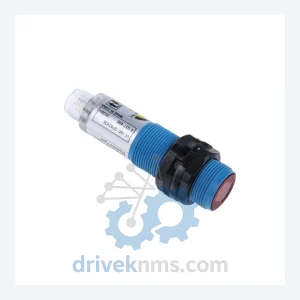
SICK VL180-2P42436 Photoelectric Sensor – Obsolete W180 Spare Part
Sick VL180-2P42436 is listed for Monitoring Systems RFQ review. Confirm quantity, condition and destination before quotation.
RFQ-ready industrial model
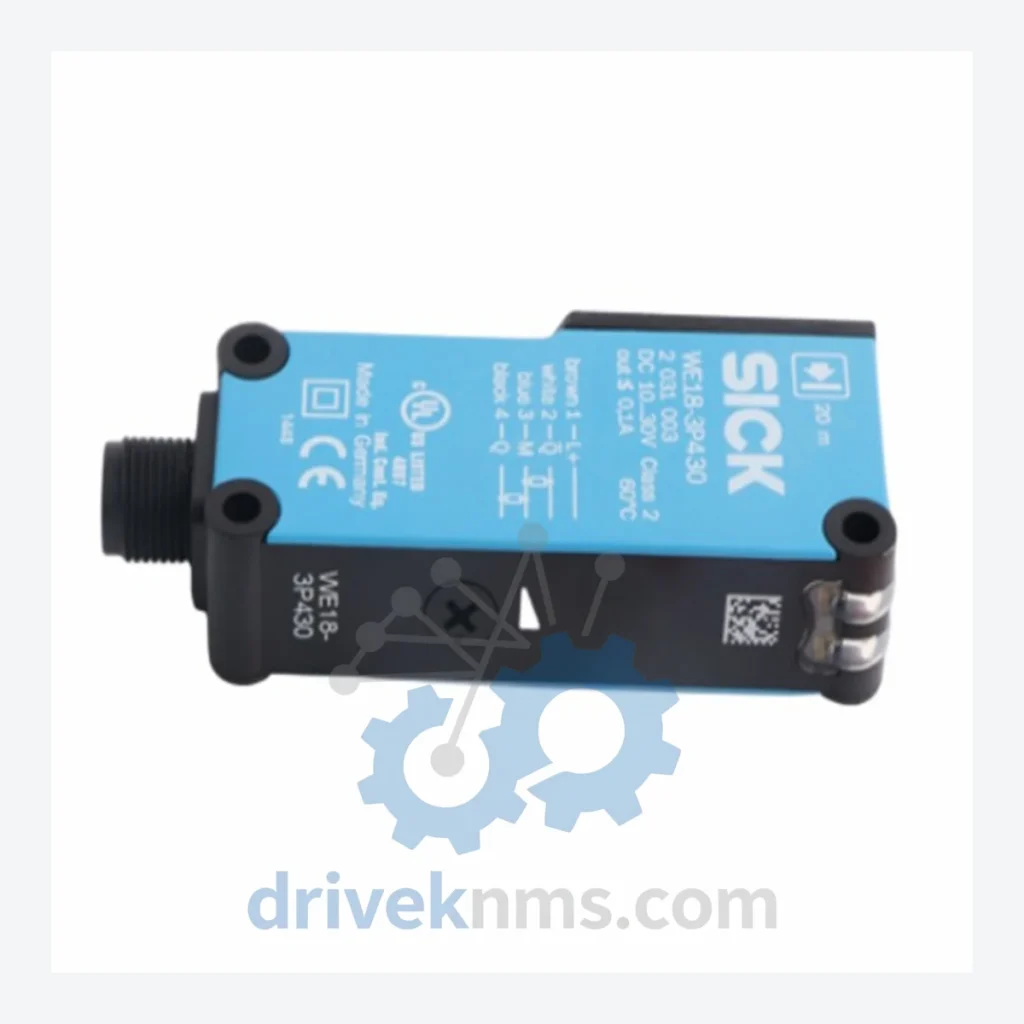
Model: WE18-3P430
Product Overview
Commercial availability is handled through direct RFQ, model verification and export-oriented follow-up rather than public cart checkout.
Datasheet Preview
Use attached product manuals when available. If the manual is not public yet, request the full file directly through RFQ.
Commercial Path
Product pages on DRIVEKNMS are designed to verify model, brand and series first, then move the buyer into one clean quotation path.
Technical Dossier
RFQ support for obsolete parts: Send the model number, required quantity and destination so DriveKNMS can confirm sourcing options before quotation.
| Parameter | Value |
|---|---|
| Part Number | WE18-3P430 |
| Brand | SICK |
| Series | W18 |
| Sensor Type | Photoelectric – Through-Beam (Emitter/Receiver) |
| Housing | M18 cylindrical |
| Supply Voltage | 10–30 V DC |
| Output Type | PNP |
| Protection Rating | IP65 |
| Connection | M12 connector |
| Country of Origin | Germany |
| Discontinuation Status | Obsolete – No longer in production |
Note: Only confirmed parameters are listed. Electrical parameters directly affect equipment safety — no values have been estimated or fabricated.
The SICK W18 series was a workhorse of industrial photoelectric sensing for decades. It was integrated into packaging lines, automotive assembly cells, material handling conveyors, and process control systems across multiple industries. Many of those systems were designed with the W18 form factor as a fixed constraint — the mounting geometry, cable routing, and PLC input logic were all built around it.
The WE18-3P430 specifically — the through-beam variant with PNP output — was widely deployed in applications requiring long sensing distances and high immunity to ambient light interference. Its absence from the market creates a genuine operational risk for any facility that has not yet addressed its spare parts exposure.
For plant managers and maintenance engineers facing system retirement pressure, the calculus is straightforward: the cost of a spare sensor is a fraction of the cost of a forced upgrade. A structured approach to legacy spare parts management can defer capital expenditure by five to ten years without compromising production reliability.
Discontinued parts sourced from the secondary market carry inherent condition risk. DriveKNMS applies a five-step quality process to every WE18-3P430 unit before it is offered for sale:
1. Visual and mechanical inspection: Housing integrity, connector condition, and lens clarity are assessed. Units with physical damage are rejected.
2. Electrolytic capacitor assessment: Aging capacitors are a primary failure mode in stored electronics. Internal capacitor condition is evaluated as part of the inspection process.
3. Pin and contact corrosion check: M12 connector pins are inspected for oxidation and corrosion. Affected contacts are cleaned or the unit is rejected.
4. Firmware and configuration verification: Where applicable, output configuration and switching behavior are verified against the original specification.
5. Functional test: Each unit is powered and tested for correct switching response before dispatch.
The WE18-3P430 is a direct, drop-in replacement for any existing W18 through-beam PNP installation. No mechanical modification is required. No PLC reprogramming is needed. The M18 housing fits existing mounting brackets, and the M12 connector mates with existing cables. Replacement is a maintenance task, not an engineering project.
This matters operationally. When a sensor fails during production, the window for repair is measured in minutes, not hours. A replacement that requires engineering sign-off, wiring changes, or software updates cannot meet that timeline. The WE18-3P430 can be swapped by a trained maintenance technician with no external support.
How do I know the unit is genuine and not counterfeit?
All units are sourced from traceable industrial surplus channels — decommissioned equipment, verified distributor overstock, and factory closeout lots. SICK markings, date codes, and construction are verified during inspection. We do not source from unverified brokers.
Can you supply multiple units for a long-term spare parts program?
Contact us directly to discuss quantity availability and long-term supply agreements. We work with maintenance and procurement teams to structure spare parts programs for legacy automation assets.
Continue The Model Path
Move from this exact model into the matching system hub, brand archive, model-family archive or lifecycle sourcing route before sending a final RFQ list.
Related Paths
Sick VL180-2P42436 is listed for Monitoring Systems RFQ review. Confirm quantity, condition and destination before quotation.
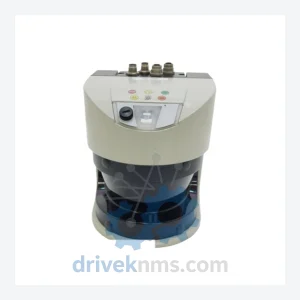
Sick LMS511-10100 ID. NUMBER 1046135 is listed for Monitoring Systems RFQ review. Confirm quantity, condition and destination before quotation.
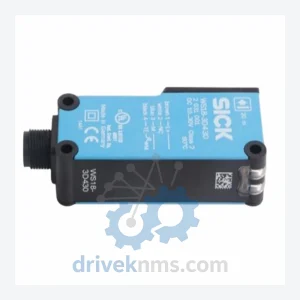
Sick WS18-3D430 is listed for W18 Series RFQ review. Confirm quantity, condition and destination before quotation.