
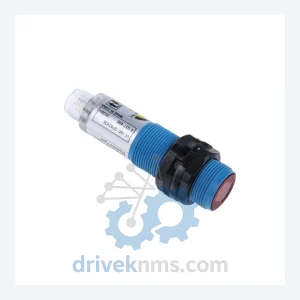
SICK VL180-2P42436 Photoelectric Sensor – Obsolete W180 Spare Part
Sick VL180-2P42436 is listed for Monitoring Systems RFQ review. Confirm quantity, condition and destination before quotation.
RFQ-ready industrial model
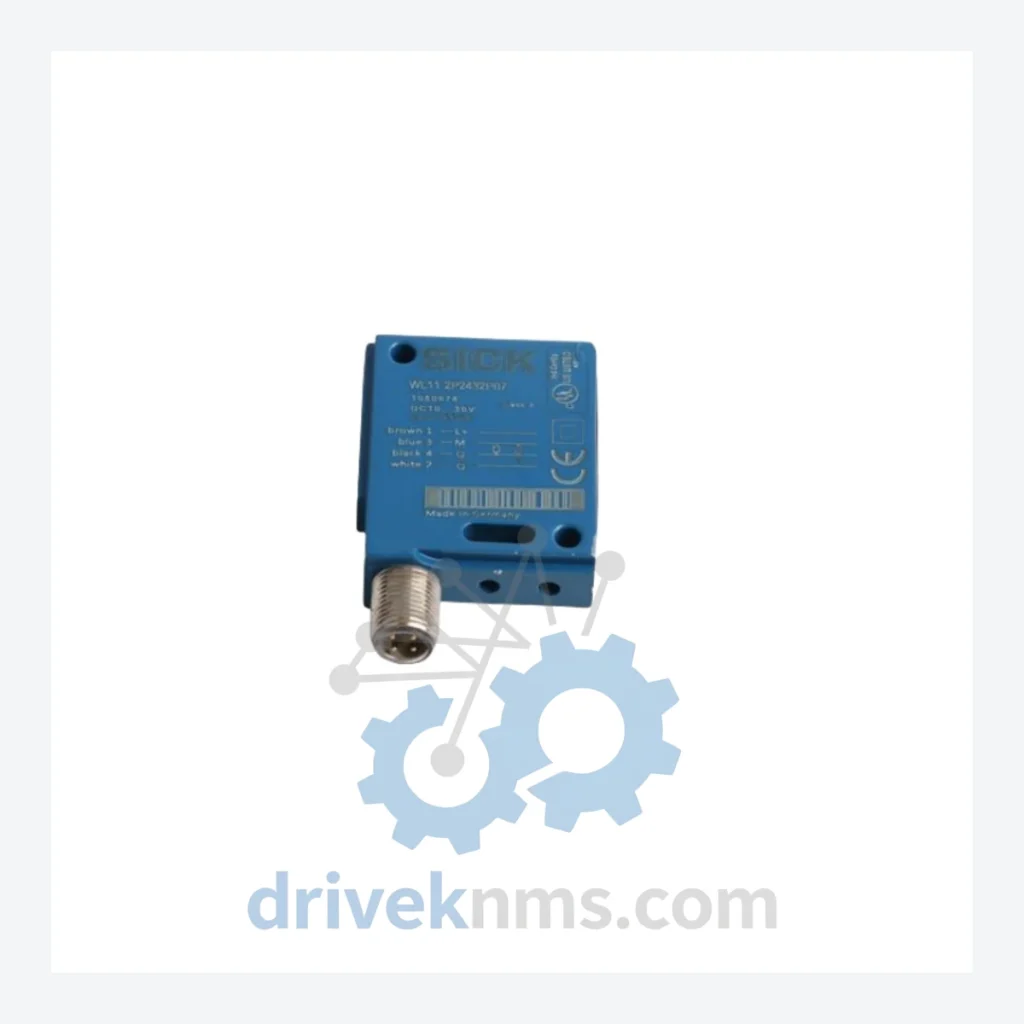
Model: WL11-2P2432P07
Product Overview
Commercial availability is handled through direct RFQ, model verification and export-oriented follow-up rather than public cart checkout.
Datasheet Preview
Use attached product manuals when available. If the manual is not public yet, request the full file directly through RFQ.
Commercial Path
Product pages on DRIVEKNMS are designed to verify model, brand and series first, then move the buyer into one clean quotation path.
Technical Dossier
The SICK WL11-2P2432P07 is a compact diffuse-mode photoelectric sensor from SICK's proven WL11 series, engineered for reliable object detection in high-throughput industrial environments. Deployed across packaging lines, automotive assembly, food & beverage processing, and material handling systems, this sensor represents a category of precision detection hardware where supply chain disruption carries measurable production risk.
Note: Electrical parameters listed are based on published SICK WL11 series specifications. Buyers are advised to cross-reference against their system documentation prior to installation.
Q: Can you support multi-unit or repeat RFQ requests?
A: Yes. Send the model list, target quantity and destination so DRIVEKNMS can review sourcing options and quote the requirement as a project RFQ.
Spare parts turnover rate (inventory velocity) is a metric often overlooked in MRO procurement planning. For sensors in this category — compact, widely deployed, subject to wear from vibration and contamination — a turnover cycle of 6–18 months is typical. Holding 2–4 units as on-site spares is a defensible position for any facility running more than one WL11-series installation.
Every unit shipped by DriveKNMS is subject to pre-shipment inspection. Our standard compliance package includes:
Q: How are RFQ terms confirmed?
A: Quantity, required condition, documentation needs, destination and sourcing route are confirmed during RFQ review before quotation.
Continue The Model Path
Move from this exact model into the matching system hub, brand archive, model-family archive or lifecycle sourcing route before sending a final RFQ list.
Related Paths
Sick VL180-2P42436 is listed for Monitoring Systems RFQ review. Confirm quantity, condition and destination before quotation.
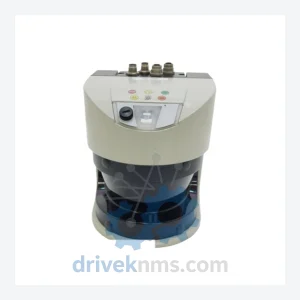
Sick LMS511-10100 ID. NUMBER 1046135 is listed for Monitoring Systems RFQ review. Confirm quantity, condition and destination before quotation.
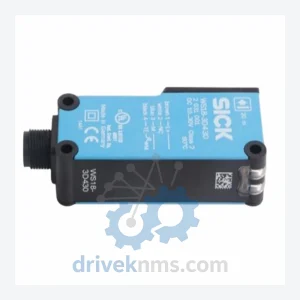
Sick WS18-3D430 is listed for W18 Series RFQ review. Confirm quantity, condition and destination before quotation.