
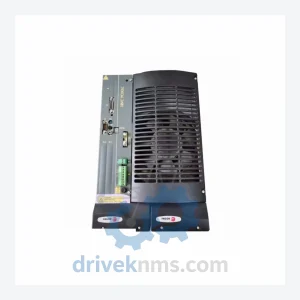
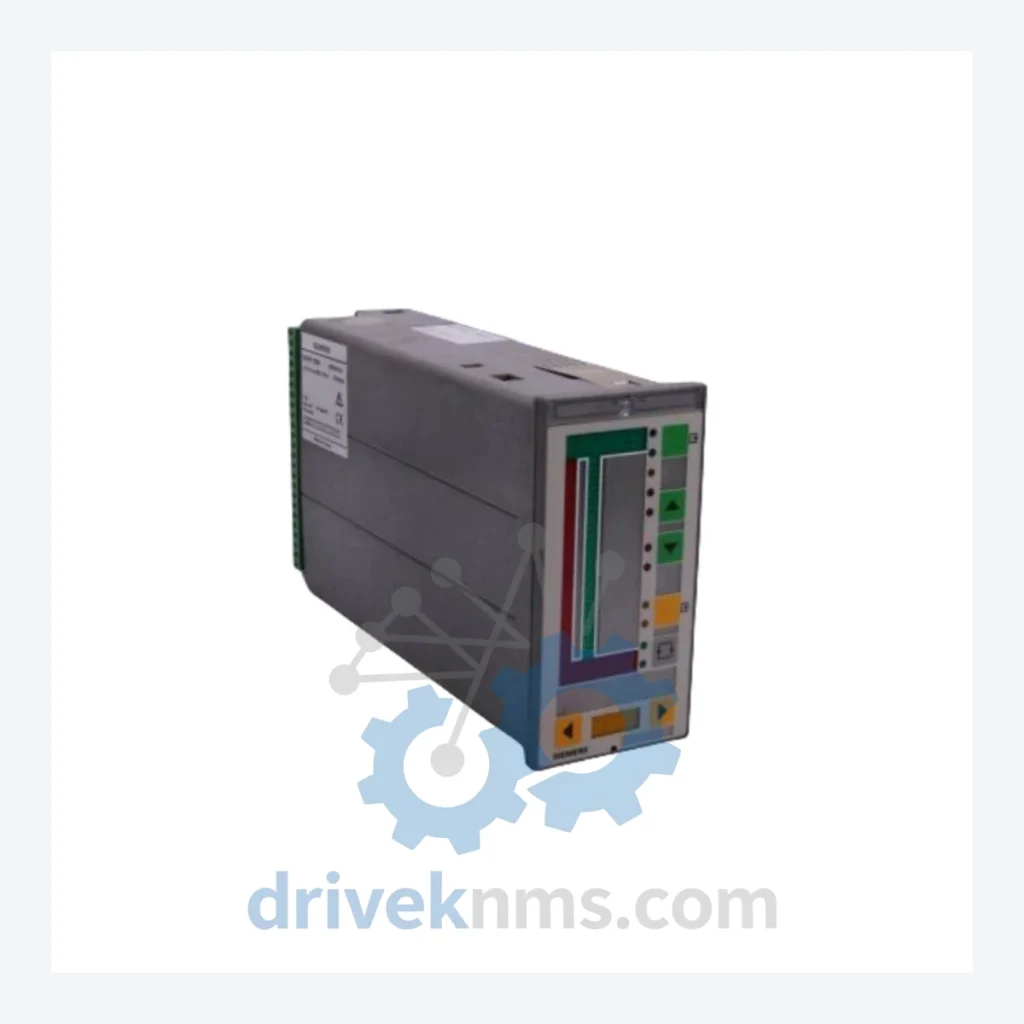
SIEMENS AXD3.100-S0-0-B Electropneumatic Positioner – SIPART Series
Siemens AXD3.100-S0-0-B is listed for SIPART Series RFQ review. Confirm quantity, condition and destination before quotation.
RFQ-ready industrial model
Model: 353A41NNETNNA4
Product Overview
Commercial availability is handled through direct RFQ, model verification and export-oriented follow-up rather than public cart checkout.
Datasheet Preview
Use attached product manuals when available. If the manual is not public yet, request the full file directly through RFQ.
Commercial Path
Product pages on DRIVEKNMS are designed to verify model, brand and series first, then move the buyer into one clean quotation path.
Technical Dossier
RFQ support for obsolete parts: Send the model number, required quantity and destination so DriveKNMS can confirm sourcing options before quotation.
Note: Electrical parameters specific to this unit configuration are confirmed upon request. No parameters are published without verified documentation to ensure equipment safety.
The Siemens SIPART controller family was a cornerstone of process automation in chemical, petrochemical, power generation, and water treatment facilities throughout the 1980s and 1990s. The 353A41NNETNNA4 served as a precision single-loop controller within these architectures, managing critical process variables where stability and repeatability were non-negotiable.
Siemens has long since discontinued this product line. OEM support, firmware patches, and factory replacement units are no longer available through standard channels. Yet thousands of facilities worldwide continue to operate plants built around this hardware — not out of negligence, but because the surrounding infrastructure (piping, vessels, field instruments, safety systems) was engineered around these controllers and remains fully functional.
Facilities that have adopted a proactive spare parts strategy — maintaining one or two verified units of critical discontinued controllers in bonded storage — report the ability to extend plant operational life by 5 to 10 years beyond the point at which OEM support ended. The investment in a spare controller is measured in thousands. The cost of the alternative is measured in millions.
For plant managers facing pressure to justify continued operation of legacy systems to finance and executive leadership, the arithmetic is straightforward: a verified spare part on the shelf converts an existential system risk into a manageable maintenance event.
DriveKNMS applies a structured 5-step inspection protocol to all discontinued controller units before they are offered for sale. This process is designed specifically for the failure modes common to hardware of this age and design generation.
Step 1 – Electrolytic Capacitor Assessment: Capacitor aging is the primary failure mechanism in controllers of this era. Each unit undergoes visual inspection and, where applicable, ESR (Equivalent Series Resistance) measurement to identify capacitors approaching end of life before the unit ships.
Step 2 – Firmware Version Verification: The installed firmware version is documented and cross-referenced against known compatibility records for the target system. Units with corrupted or mismatched firmware are quarantined.
Step 3 – Pin and Connector Corrosion Inspection: All edge connectors, terminal blocks, and backplane pins are inspected under magnification for oxidation, pitting, and mechanical deformation. Affected contacts are treated or the unit is rejected.
Step 4 – Functional Bench Test: Where test fixtures are available for the specific model, units are powered and subjected to basic functional verification prior to packaging.
The 353A41NNETNNA4 is a direct hardware replacement for the original installed unit. There is no firmware migration, no signal rewiring, and no loop reconfiguration required when replacing a failed unit with a verified original. This drop-in replacement capability is the defining advantage of sourcing original hardware over pursuing a modern substitute.
Plants avoid the engineering cost of redesigning the control loop. Operators avoid retraining on new interfaces. Validation-regulated facilities avoid the cost and schedule impact of requalification. The replacement is a maintenance event, not a project.
For facilities managing multiple aging assets of this type, DriveKNMS can discuss long-term supply agreements and bonded inventory arrangements that provide guaranteed access to critical spares without requiring immediate capital outlay for the full quantity.
Should I purchase more than one unit?
For any controller that is no longer manufactured, holding a minimum of one additional unit in on-site storage is standard risk management practice. If your facility operates multiple loops using the same controller model, the case for maintaining two or three spares is stronger. DriveKNMS can advise on quantity based on your system configuration and acceptable risk tolerance.
Continue The Model Path
Move from this exact model into the matching system hub, brand archive, model-family archive or lifecycle sourcing route before sending a final RFQ list.
Related Paths
Siemens AXD3.100-S0-0-B is listed for SIPART Series RFQ review. Confirm quantity, condition and destination before quotation.

Siemens U-55T is listed for PLC Modules RFQ review. Confirm quantity, condition and destination before quotation.

Siemens U-55N is listed for S5 Series RFQ review. Confirm quantity, condition and destination before quotation.