
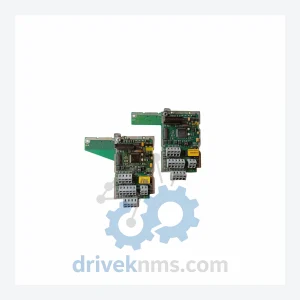
Siemens ULC0065
Siemens ULC0065 is listed for Servo Drives RFQ review. Confirm quantity, condition and destination before quotation.
RFQ-ready industrial model
Model: 3TK2923-0BB4
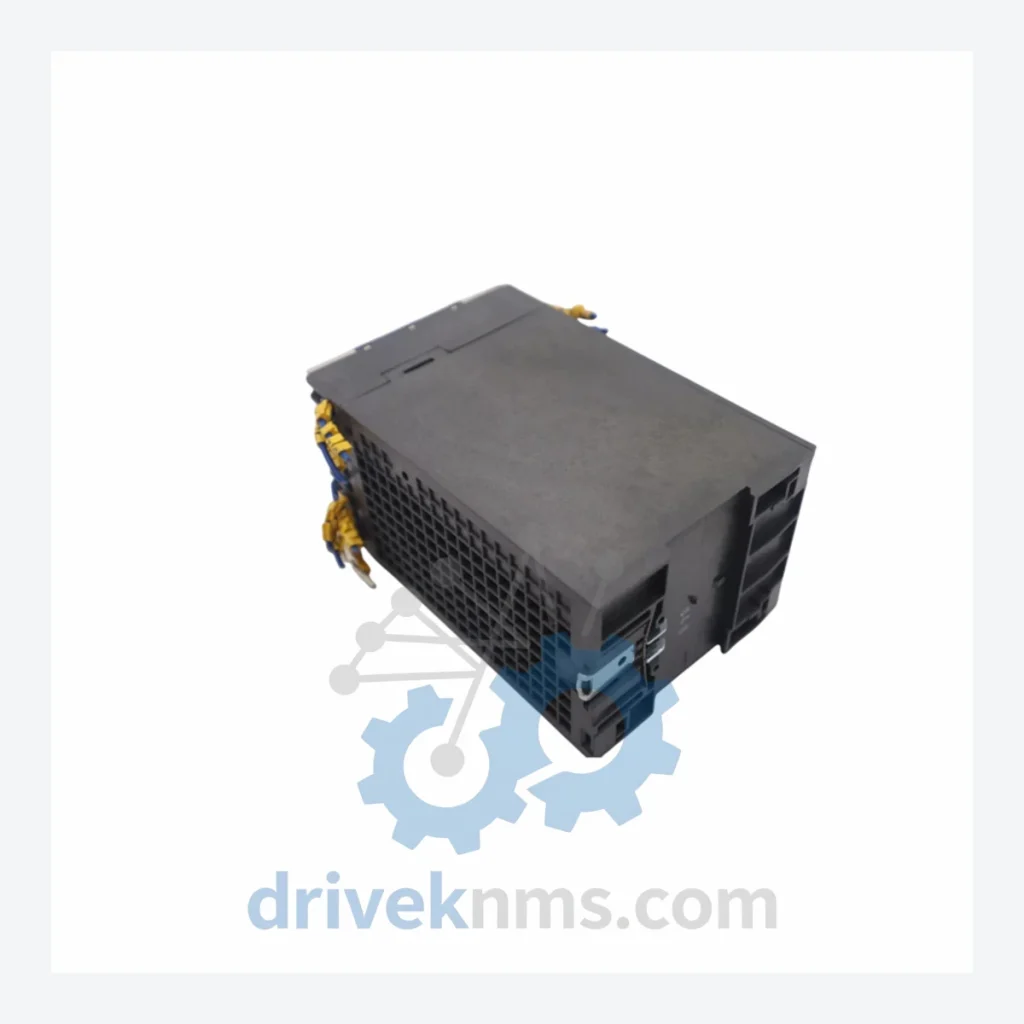
Product Overview
Commercial availability is handled through direct RFQ, model verification and export-oriented follow-up rather than public cart checkout.
Datasheet Preview
Use attached product manuals when available. If the manual is not public yet, request the full file directly through RFQ.
Commercial Path
Product pages on DRIVEKNMS are designed to verify model, brand and series first, then move the buyer into one clean quotation path.
Technical Dossier
RFQ support for obsolete parts: Send the model number, required quantity and destination so DriveKNMS can confirm sourcing options before quotation.
| Parameter | Detail |
|---|---|
| Manufacturer | Siemens AG |
| Part Number | 3TK2923-0BB4 |
| Product Series | SIRIUS 3TK29 Safety Relay Expansion |
| Function | Timing / Delay Expansion Module for 3TK28 Safety Relays |
| Product Status | Discontinued / End-of-Life (EOL) |
| Country of Origin | Germany |
| Compatibility | Siemens SIRIUS 3TK28 series safety relay base units |
| Typical Application | Machine guarding, press control, conveyor safety interlocks, robotic cell E-stop circuits |
Note: Electrical parameters (supply voltage, contact ratings, timing range) are not published here to avoid inaccuracy on an EOL component. Please contact us directly for datasheet confirmation against your specific installation.
The SIRIUS 3TK28/3TK29 safety relay platform was widely deployed across European and Asian manufacturing facilities throughout the 2000s and 2010s. Its modular architecture — base relay plus expansion modules including the 3TK2923-0BB4 timing unit — made it a standard choice for machine builders designing to EN ISO 13849 and IEC 62061 safety standards.
The redesign path carries costs that are rarely fully anticipated at the outset. Beyond the hardware itself, the safety function must be re-validated. If the machine is CE-marked or subject to local safety authority oversight, the updated design may require third-party assessment. Production is halted throughout. For a mid-size automotive stamping line or a food packaging system running three shifts, even a two-week shutdown represents revenue loss that dwarfs the cost of maintaining a strategic spare parts inventory.
For plant managers and maintenance engineers operating equipment built on legacy Siemens SIRIUS safety relay infrastructure, the following approach has proven effective in deferring costly system overhauls:
1. Conduct a full module census. Identify every 3TK28 base unit and 3TK29 expansion module installed across all machines and panels. Cross-reference against Siemens EOL notifications to flag which part numbers are no longer available through standard distribution.
4. Source from verifiable channels only. The market for obsolete Siemens components includes a significant volume of counterfeit and substandard product. For safety-rated components, this is not a quality inconvenience — it is a liability issue. Require documentation of sourcing chain and condition assessment from any supplier.
5. Schedule periodic functional testing. Even stored spare modules should be tested against known-good reference units before being placed into service. A module that has been in uncontrolled storage for several years may have degraded without visible indication.
This framework does not require capital expenditure. It requires structured attention to parts criticality — and it routinely extends the viable service life of legacy safety systems by five to ten years beyond what facilities would otherwise achieve through reactive maintenance alone.
DriveKNMS applies a five-stage assessment protocol to all obsolete and legacy components before they are offered for sale:
Step 1 – Electrolytic Capacitor Inspection: Capacitor aging is the primary failure mode in timing relay modules. Each unit is inspected for bulging, leakage, and ESR deviation from specification.
Step 2 – Firmware and Configuration Verification: Where applicable, firmware version and DIP switch / parameter settings are verified and documented against the original factory configuration.
Step 3 – Contact and Pin Corrosion Assessment: All connector pins and relay contacts are inspected under magnification for oxidation, pitting, and mechanical deformation. Affected units are not offered for sale.
Step 4 – Functional Bench Test: Units are powered and cycled through their timing function under controlled conditions. Timing accuracy is logged.
Step 5 – Packaging and Storage: Cleared units are repackaged in anti-static materials with desiccant and stored in a controlled environment until dispatch.
Q: How do I know the unit is genuine and not counterfeit?
A: We provide documentation of the sourcing chain for each unit. Physical authenticity markers — label printing, housing markings, PCB construction — are verified against known-genuine reference units as part of our intake process.
Continue The Model Path
Move from this exact model into the matching system hub, brand archive, model-family archive or lifecycle sourcing route before sending a final RFQ list.
Related Paths
Siemens ULC0065 is listed for Servo Drives RFQ review. Confirm quantity, condition and destination before quotation.
Siemens RW3045-1AB14 is listed for SIRIUS Series RFQ review. Confirm quantity, condition and destination before quotation.
Siemens LDZ10500424.040 is listed for Servo Drives RFQ review. Confirm quantity, condition and destination before quotation.