
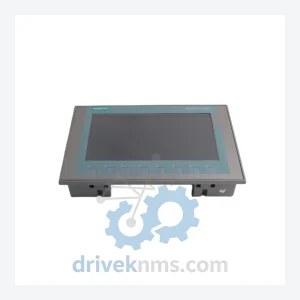
Siemens SIMATIC HMI KTP Basic Panels: 6AV2123-2JB03-0AX0
Siemens 6AV2123-2JB03-0AX0 is listed for SIMATIC HMI RFQ review. Confirm quantity, condition and destination before quotation.
RFQ-ready industrial model
Model: 6AV6643-0BA01-1AX0
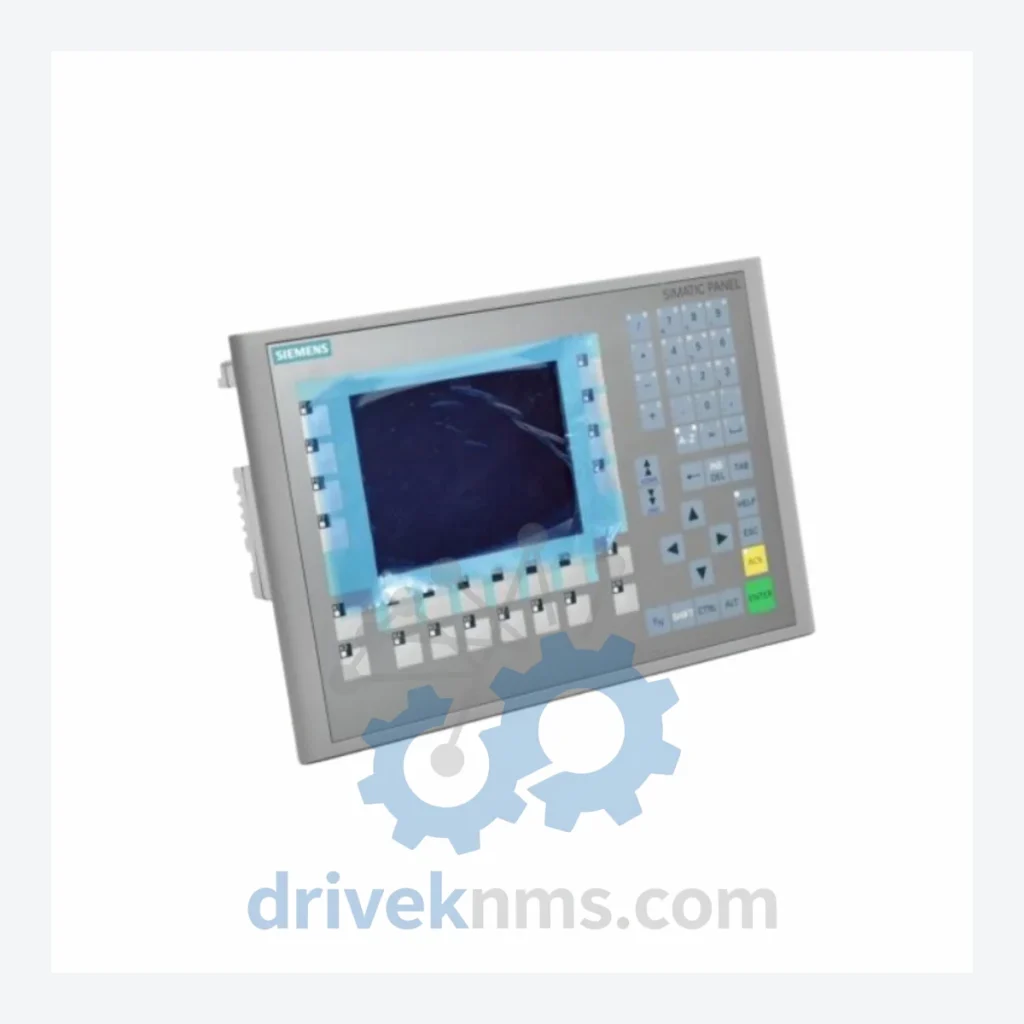
Product Overview
Commercial availability is handled through direct RFQ, model verification and export-oriented follow-up rather than public cart checkout.
Datasheet Preview
Use attached product manuals when available. If the manual is not public yet, request the full file directly through RFQ.
Commercial Path
Product pages on DRIVEKNMS are designed to verify model, brand and series first, then move the buyer into one clean quotation path.
Technical Dossier
The Siemens SIMATIC HMI KTP600 Basic series is a standardized line of key-and-touch operator panels deployed across global heavy industry sectors including petrochemical plants, nuclear power facilities, offshore platforms, and continuous-process refineries. The KTP600 Basic panels interface directly with Siemens S7-300, S7-400, S7-1200, and S7-1500 PLCs via PROFINET IO or MPI/PROFIBUS DP, making them a structural component in distributed control system (DCS) architectures worldwide. The 6AV6643-0BA01-1AX0 is the canonical 6-inch monochrome variant of this series, featuring a 320×240 STN display, 6 function keys, and integrated PROFIBUS DP connectivity. Its compact form factor and low power consumption make it the standard choice for machine-level HMI in panel-mount enclosures.
The SIMATIC HMI product line originated with the OP (Operator Panel) and TD (Text Display) families introduced in the early 1990s, communicating exclusively via MPI and PROFIBUS DP. The KTP (Key and Touch Panel) designation emerged as Siemens consolidated its HMI portfolio under the WinCC flexible runtime environment, replacing the earlier ProTool configuration software. The KTP600 Basic represents the second-generation Basic panel architecture, introduced alongside the SIMATIC Basic Panel family circa 2009–2012, which standardized on the TIA Portal (Totally Integrated Automation Portal) engineering framework.
Key architectural transitions in this lineage: OP7 / OP17 (MPI-only, character-based display) → OP77B (PROFIBUS DP, graphical STN) → KTP600 Basic PN/DP (dual PROFINET + PROFIBUS, TIA Portal) → KTP700 Basic (7-inch widescreen, PROFINET-only, current generation). Compatibility constraints exist at the firmware and project migration level: projects created in WinCC flexible 2008 SP3 require migration via TIA Portal V13 or later before deployment on current KTP hardware. Backplane bus protocols are not interchangeable between Basic and Comfort panel families.
The following SKUs represent verified, commonly stocked models within the Siemens SIMATIC HMI KTP600 Basic and adjacent Basic Panel series. Each entry reflects a distinct hardware configuration.
Key-and-Touch Basic Panels – 6-Inch Class
Key-and-Touch Basic Panels – 4-Inch Class (KTP400)
Key-and-Touch Basic Panels – 7-Inch Class (KTP700)
Key-and-Touch Basic Panels – 9-Inch Class (KTP900)
Key-and-Touch Basic Panels – 12-Inch Class (KTP1200)
Mobile Basic Panels
Legacy OP/TP Series (Predecessor Models – Obsolete)
Each KTP600 Basic unit processed by DriveKNMS undergoes a structured inspection protocol specific to the panel's hardware architecture. The STN/TFT display assembly is tested for pixel uniformity, backlight luminance decay, and touch calibration accuracy across the full active area. The PROFIBUS DP and PROFINET IO ports are verified using protocol analyzers to confirm correct telegram framing, station address response, and cyclic data exchange at rated baud rates (up to 12 Mbit/s for PROFIBUS DP).
Internal flash memory integrity is validated by loading a reference WinCC flexible or TIA Portal project and confirming runtime execution without fault codes. The 24 VDC power input circuit is load-tested at rated current draw. Membrane keypad actuation force and contact resistance are measured for all 6 function keys. Units exhibiting display delamination, corrupted firmware partitions, or communication port faults are quarantined and listed separately as parts-only inventory.
Continue The Model Path
Move from this exact model into the matching system hub, brand archive, model-family archive or lifecycle sourcing route before sending a final RFQ list.
Related Paths
Siemens 6AV2123-2JB03-0AX0 is listed for SIMATIC HMI RFQ review. Confirm quantity, condition and destination before quotation.
Siemens 6AV6644-0AA01-2AX0 is listed for SIMATIC HMI RFQ review. Confirm quantity, condition and destination before quotation.
Siemens 6AV7870-0HA20-0AA0 is listed for SIMATIC HMI RFQ review. Confirm quantity, condition and destination before quotation.