
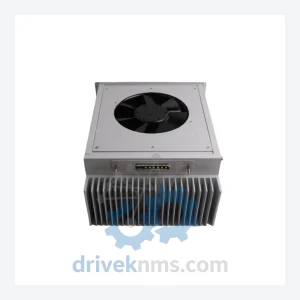
Siemens SIMADYN D Modules – 6DD1683-0CC0 Power Supply Module
Siemens 6DD1683-0CC0 ? is listed for SIMADYN D RFQ review. Confirm quantity, condition and destination before quotation.
RFQ-ready industrial model
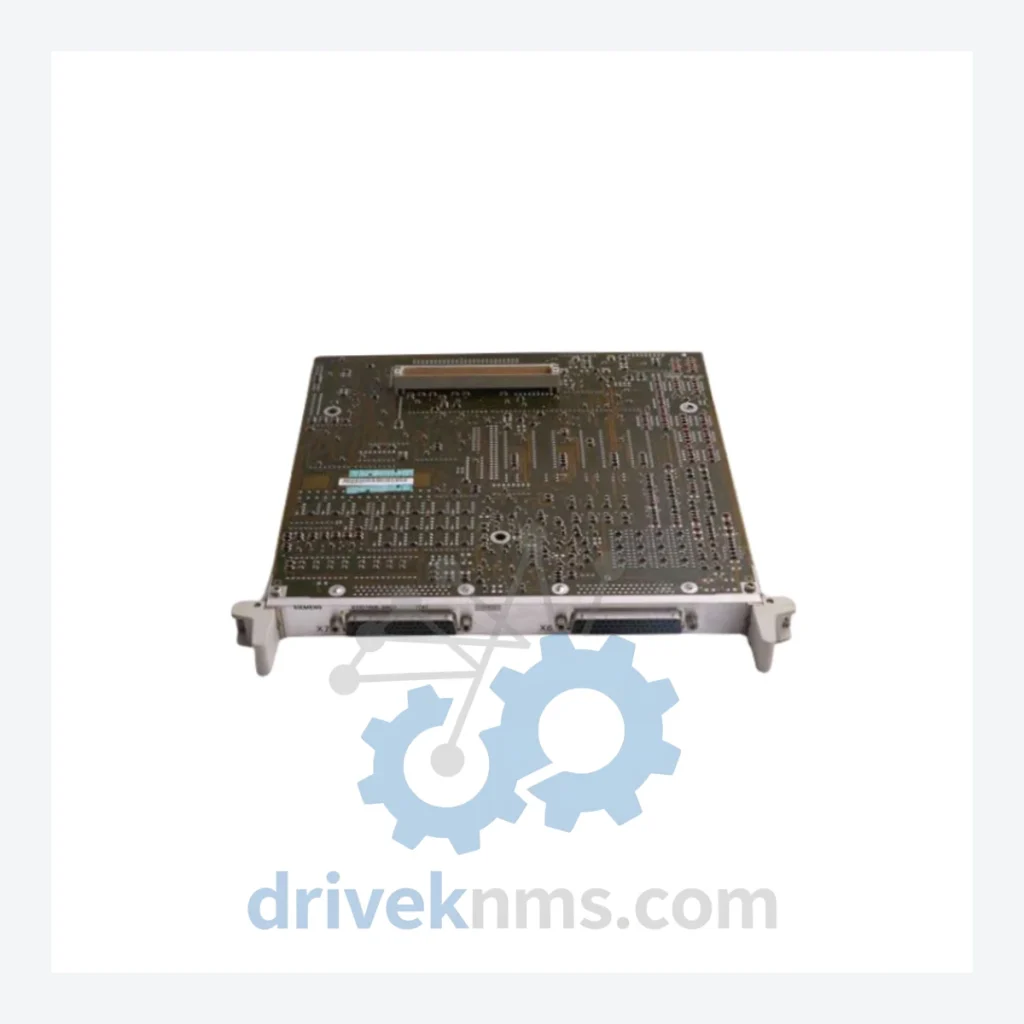
Model: 6DD1672-0AD0
Product Overview
Commercial availability is handled through direct RFQ, model verification and export-oriented follow-up rather than public cart checkout.
Datasheet Preview
Use attached product manuals when available. If the manual is not public yet, request the full file directly through RFQ.
Commercial Path
Product pages on DRIVEKNMS are designed to verify model, brand and series first, then move the buyer into one clean quotation path.
Technical Dossier
When a Siemens 6DD1672-0AD0 Parallel Programmer fails in a SIMADYN D or SIMATIC TDC control system, the consequences extend far beyond a single module replacement. These platforms underpin high-inertia industrial processes — steel rolling mills, large drive systems, power generation controls — where a forced migration to a modern DCS or PLC architecture carries engineering costs that routinely exceed seven figures. The 6DD1672-0AD0 has been discontinued by Siemens. New production ceased years ago. Every unit remaining in the global supply chain is finite. DriveKNMS holds RFQ-reviewed sourcing status of this module, sourced through controlled industrial channels, and can ship to qualified buyers worldwide.
RFQ support for obsolete parts: Send the model number, required quantity and destination so DriveKNMS can confirm sourcing options before quotation.
Note: Electrical parameters not independently verified. Specifications are based on known product family characteristics. Buyers are advised to cross-reference with original Siemens documentation prior to installation.
Q: How are RFQ terms confirmed?
A: Quantity, required condition, documentation needs, destination and sourcing route are confirmed during RFQ review before quotation.
Factory management teams operating legacy Siemens SIMADYN D or SIMATIC TDC installations face a structural challenge: the OEM no longer supports the hardware, but the process economics do not justify a full system replacement. The following framework has been applied successfully across multiple industrial sites to extend operational life by a decade or more without a platform migration:
2. Minimum Viable Spare Inventory. For critical single-point-of-failure modules, maintain a minimum of two verified spare units on-site. One for immediate swap, one as a secondary reserve. The carrying cost of two spare modules is negligible against the cost of a single unplanned outage.
3. Controlled Storage Protocol. Obsolete electronic modules degrade in storage if conditions are not managed. Store in anti-static packaging, at controlled humidity (30–60% RH), away from direct sunlight and magnetic fields. Inspect annually for physical degradation.
Q: How is condition confirmed before quotation?
A: Available condition, photos, test records and documentation are checked according to the requested model and sourcing channel before a formal RFQ response.
This approach consistently delivers a 5–10 year extension of operational life at a fraction of the cost of platform migration, while maintaining process reliability and regulatory compliance.
Every 6DD1672-0AD0 unit shipped by DriveKNMS passes through a structured 5-step inspection protocol before dispatch:
Step 1 – Visual and Mechanical Inspection. Full board examination for physical damage, burn marks, cracked solder joints, and connector pin integrity. Modules with any structural compromise are rejected at this stage.
Step 2 – Electrolytic Capacitor Assessment. Aged electrolytic capacitors are the primary failure mechanism in legacy industrial electronics. Each unit is assessed for capacitor bulging, leakage, and ESR deviation. Units with degraded capacitors are either recapped with specification-matched components or rejected.
Step 3 – Firmware Version Verification. Where accessible, firmware revision is confirmed and documented. This ensures compatibility with the target system configuration and prevents post-installation communication faults.
Step 4 – Pin and Connector Corrosion Check. Backplane connectors and edge pins are inspected under magnification for oxidation and corrosion. Affected contacts are treated or the unit is rejected. Connector integrity is critical for parallel data transfer reliability.
Step 5 – Functional Verification. Where test infrastructure permits, modules undergo powered functional checks. Results are documented and accompany the shipment.
Q: How do I know the unit is genuine and not counterfeit?
A: All units are sourced through traceable industrial channels. Physical markings, board revision, and component layout are verified against known-good reference units. Our 5-step QA process is documented and available to buyers on request.
Q: Can you supply documentation with the unit?
A: Where available, we provide inspection records and firmware version documentation. Original Siemens technical manuals are not supplied but are available through Siemens' legacy documentation archive.
Continue The Model Path
Move from this exact model into the matching system hub, brand archive, model-family archive or lifecycle sourcing route before sending a final RFQ list.
Related Paths
Siemens 6DD1683-0CC0 ? is listed for SIMADYN D RFQ review. Confirm quantity, condition and destination before quotation.
Siemens 6DD1606-3AC0 6DD1600-0AK0 is listed for SIMADYN D RFQ review. Confirm quantity, condition and destination before quotation.
Siemens 6DD1600-0AF0 is listed for SIMADYN D RFQ review. Confirm quantity, condition and destination before quotation.