
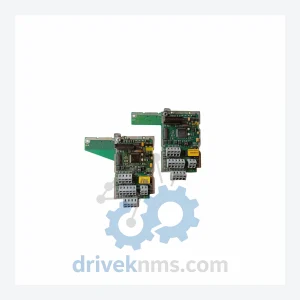
Siemens ULC0065
Siemens ULC0065 is listed for Servo Drives RFQ review. Confirm quantity, condition and destination before quotation.
RFQ-ready industrial model
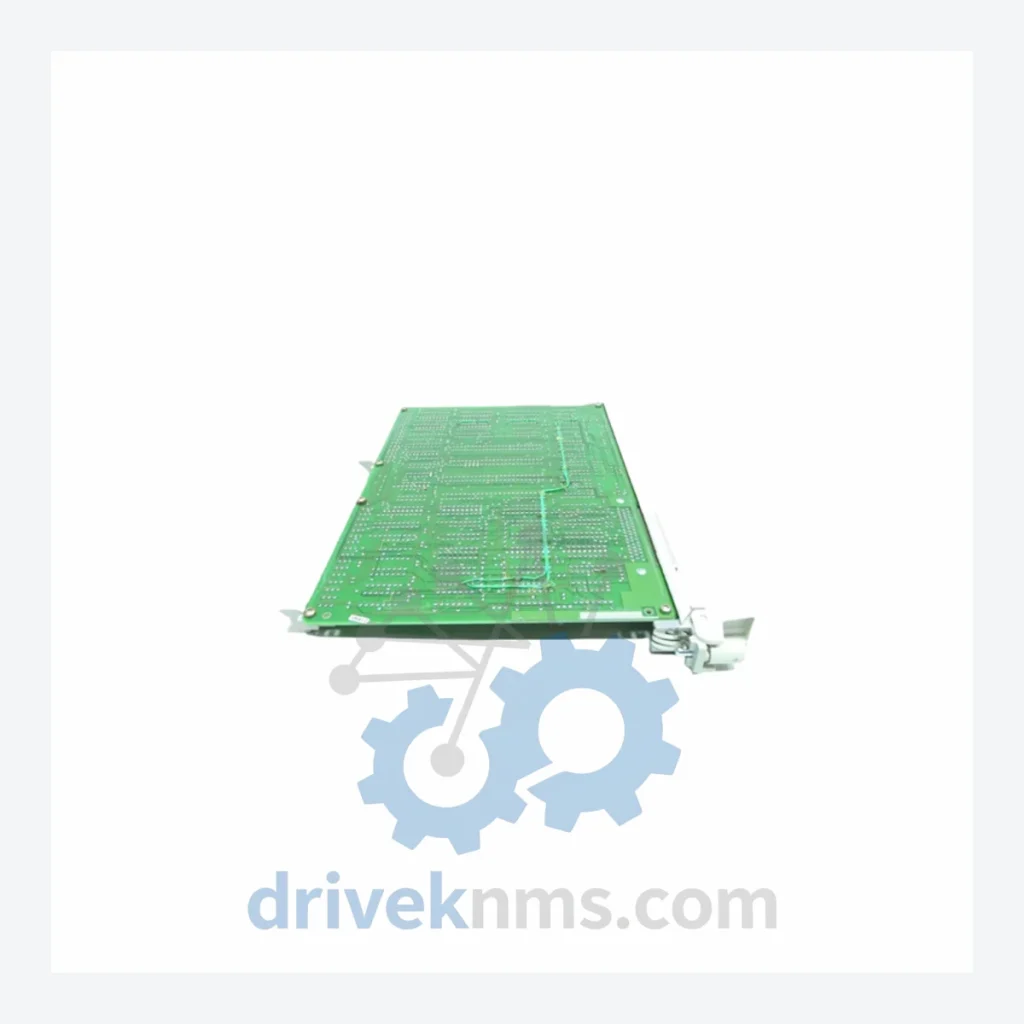
Model: 6ES5453-3AC11
Product Overview
Commercial availability is handled through direct RFQ, model verification and export-oriented follow-up rather than public cart checkout.
Datasheet Preview
Use attached product manuals when available. If the manual is not public yet, request the full file directly through RFQ.
Commercial Path
Product pages on DRIVEKNMS are designed to verify model, brand and series first, then move the buyer into one clean quotation path.
Technical Dossier
DriveKNMS reviews sourcing options for this model during RFQ handling before quotation.
RFQ support for obsolete parts: Send the model number, required quantity and destination so DriveKNMS can confirm sourcing options before quotation.
| Parameter | Value |
|---|---|
| Manufacturer | Siemens |
| Part Number | 6ES5453-3AC11 |
| Product Family | SIMATIC S5 |
| Module Type | Digital Output Module |
| Compatible Systems | SIMATIC S5-115U, S5-135U, S5-155U |
| Output Channels | 32 |
| Output Voltage | 24 V DC |
| Output Current per Channel | 0.5 A |
| Backplane Bus | SIMATIC S5 parallel bus |
| Lifecycle Status | Discontinued / End of Life (Siemens) |
| Country of Origin | Germany |
Note: All specifications are based on published Siemens documentation. Parameters not confirmed by official documentation are intentionally omitted.
The SIMATIC S5 platform was Siemens' dominant industrial controller from the early 1980s through the late 1990s. Siemens officially discontinued S5 hardware support, yet tens of thousands of S5-based systems remain in active service across chemical plants, automotive body shops, paper mills, and water treatment facilities worldwide. The 6ES5453-3AC11 sits at the output layer of these systems — it is the interface between the controller's logic and the physical actuators, solenoids, and relay coils on the plant floor.
There is no software patch for a failed output module. When this card fails, the affected output group goes dark. Depending on the process, that can mean an unplanned line stop within minutes. The engineering reality is straightforward: the S5 backplane architecture, the parallel bus protocol, and the physical form factor of this module have no direct equivalent in any current Siemens product line. A drop-in replacement must be another 6ES5453-3AC11 — or a verified compatible substitute with documented cross-reference testing.
For plant managers and maintenance engineers operating S5-based lines, the following strategy has proven effective in deferring migration costs while maintaining production reliability:
1. Conduct a module-level criticality audit. Map every S5 rack in your facility. Identify which output and input modules are single points of failure for critical process steps. The 6ES5453-3AC11 and its input-side counterparts are typically in this category.
3. Source now, not during a breakdown. The secondary market for S5 modules tightens every year. Units that are available today at a known price may not be available in 18 months, or may only be available at multiples of the current price. Procurement during a production emergency eliminates negotiating leverage entirely.
5. Negotiate a long-term supply agreement. If your facility operates multiple S5 systems, a standing supply arrangement with a specialist distributor provides price certainty and priority allocation from RFQ availability review pools.
This approach does not require capital approval for a system migration. It requires a maintenance budget line item and a procurement decision. The cost differential between a planned spare parts strategy and an unplanned system migration is not marginal — it is typically two to three orders of magnitude.
Sourcing discontinued industrial hardware from the secondary market carries legitimate risk. DriveKNMS applies a 5-step inspection protocol to all S5 modules before dispatch:
Step 1 – Visual and mechanical inspection. Physical examination for board damage, bent pins, cracked housings, and evidence of prior field repair or modification.
Step 2 – Electrolytic capacitor assessment. S5-era boards use electrolytic capacitors with a finite service life. Units showing visible capacitor bulging, electrolyte leakage, or capacitance drift outside tolerance are quarantined.
Step 3 – Firmware and hardware revision verification. The module's revision markings are documented and cross-referenced against the customer's installed base where revision information is provided.
Step 4 – Pin and connector integrity check. Backplane connector pins are inspected for corrosion, oxidation, and mechanical deformation. Affected pins are cleaned or the unit is rejected.
Step 5 – Functional power-on test. Where test fixtures are available for the specific module type, units are powered and output channel continuity is verified before packaging.
Units that do not pass all applicable steps are not sold as functional spares. Condition grade (New / Refurbished / Tested Used) is declared on the invoice.
Q: How do I know the unit is genuine Siemens and not a counterfeit?
A: All units are inspected for Siemens part markings, board silk-screen references, and manufacturing date codes consistent with known authentic production runs. We do not source from regions or channels with documented counterfeit activity for this part family.
Continue The Model Path
Move from this exact model into the matching system hub, brand archive, model-family archive or lifecycle sourcing route before sending a final RFQ list.
Related Paths
Siemens ULC0065 is listed for Servo Drives RFQ review. Confirm quantity, condition and destination before quotation.
Siemens RW3045-1AB14 is listed for SIRIUS Series RFQ review. Confirm quantity, condition and destination before quotation.
Siemens LDZ10500424.040 is listed for Servo Drives RFQ review. Confirm quantity, condition and destination before quotation.