
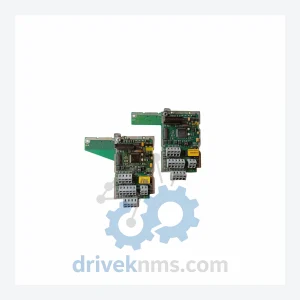
Siemens ULC0065
Siemens ULC0065 is listed for Servo Drives RFQ review. Confirm quantity, condition and destination before quotation.
RFQ-ready industrial model
Model: 6ES7193-4CB30-0AA0
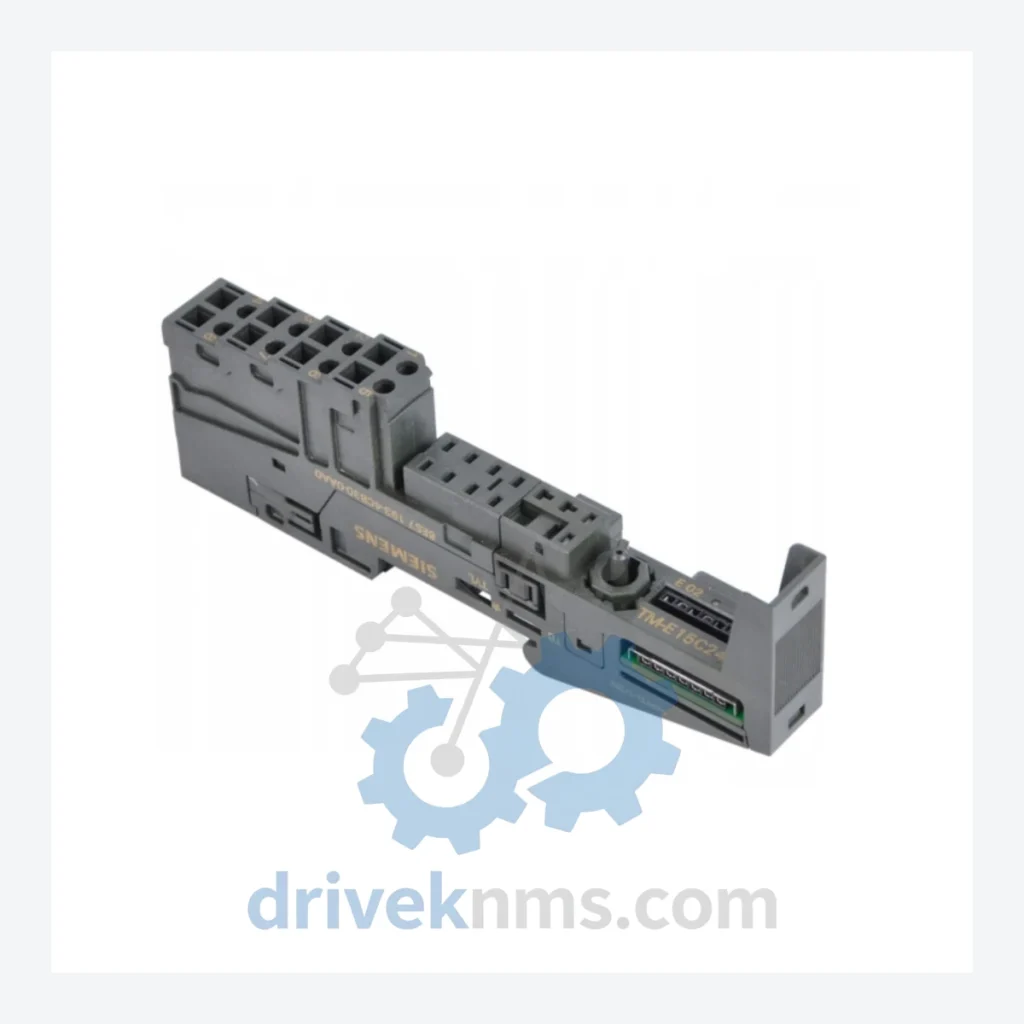
Product Overview
Commercial availability is handled through direct RFQ, model verification and export-oriented follow-up rather than public cart checkout.
Datasheet Preview
Use attached product manuals when available. If the manual is not public yet, request the full file directly through RFQ.
Commercial Path
Product pages on DRIVEKNMS are designed to verify model, brand and series first, then move the buyer into one clean quotation path.
Technical Dossier
RFQ support for obsolete parts: Send the model number, required quantity and destination so DriveKNMS can confirm sourcing options before quotation.
| Parameter | Detail |
|---|---|
| Part Number | 6ES7193-4CB30-0AA0 |
| Manufacturer | Siemens AG |
| Product Family | SIMATIC ET 200S |
| Component Type | Terminal Module |
| Discontinuation Status | Discontinued / Obsolete – no longer in Siemens standard production |
| Country of Origin | Germany |
| Compatible Systems | SIMATIC ET 200S distributed I/O stations; PROFIBUS DP and PROFINET configurations |
| Typical Host Controllers | Siemens S7-300, S7-400 series PLCs; legacy SIMATIC PCS 7 process control systems |
The SIMATIC ET 200S platform was a dominant distributed I/O solution for over two decades. Thousands of production facilities — in automotive, chemical, food processing, and utilities — built their field-level architecture around it. Siemens has transitioned its portfolio toward the ET 200SP generation, but that transition is not backward-compatible at the terminal module level. The mechanical footprint, wiring termination method, and slot assignment logic differ between generations.
For a plant manager operating a facility with 50 to 500 ET 200S slots, the math is straightforward: a single unavailable terminal module can idle an entire I/O station. An idled I/O station can halt a production cell. A halted production cell, depending on the process, can cost thousands of dollars per hour in lost output — and that is before accounting for emergency maintenance labor, expedited freight, or regulatory reporting obligations in regulated industries.
For facilities operating SIMATIC PCS 7 or S7-400-based control architectures with no near-term migration budget, the strategic priority is clear: identify every obsolete component in the critical path, establish sourced inventory for each, and document the substitution procedure. This approach has demonstrably extended the operational life of automation assets by five to ten years beyond the original vendor support window — without a single line of PLC code being rewritten.
Discontinued components sourced from the secondary market carry inherent risk. DriveKNMS applies a structured five-step quality process to every unit before it is offered for sale.
Step 1 – Visual and Mechanical Inspection: Each terminal module is examined for housing cracks, deformed locking levers, and contamination. Units with physical damage that could affect field wiring integrity are rejected.
Step 2 – Pin and Contact Audit: All termination contacts and backplane connector pins are inspected under magnification for corrosion, oxidation, and mechanical deformation. Pin corrosion is a primary failure mode in stored legacy components and is treated as a disqualifying defect.
Step 3 – Electrolytic Capacitor Assessment: Where applicable to associated electronic modules, capacitor aging indicators — including bulging, electrolyte leakage, and ESR deviation — are checked. Terminal modules themselves are passive components, but any co-stored electronic modules undergo this check before pairing.
Step 4 – Firmware and Labeling Verification: The part number, revision marking, and date code are cross-referenced against known production records to confirm authenticity and revision compatibility.
Step 5 – Functional Pre-shipment Check: Where test fixtures are available, modules are verified for correct mechanical engagement and electrical continuity prior to packaging.
The 6ES7193-4CB30-0AA0 is a direct mechanical replacement for the corresponding slot position in an ET 200S station. Field wiring connects to the terminal module independently of the electronic module above it — meaning wiring does not need to be disturbed during an electronic module swap. This design characteristic, central to the ET 200S maintenance philosophy, means that replacing a failed electronic module above this terminal module requires no rewiring and no reconfiguration of the field side.
Facilities that have adopted a structured spare parts program for their ET 200S stations consistently report mean-time-to-repair figures that are 60 to 80 percent lower than those relying on spot-market sourcing at the point of failure.
Can this terminal module be used with current Siemens hardware?
The 6ES7193-4CB30-0AA0 is specific to the ET 200S platform. It is not mechanically or electrically compatible with ET 200SP or other current-generation distributed I/O systems.
Continue The Model Path
Move from this exact model into the matching system hub, brand archive, model-family archive or lifecycle sourcing route before sending a final RFQ list.
Related Paths
Siemens ULC0065 is listed for Servo Drives RFQ review. Confirm quantity, condition and destination before quotation.
Siemens RW3045-1AB14 is listed for SIRIUS Series RFQ review. Confirm quantity, condition and destination before quotation.
Siemens LDZ10500424.040 is listed for Servo Drives RFQ review. Confirm quantity, condition and destination before quotation.