
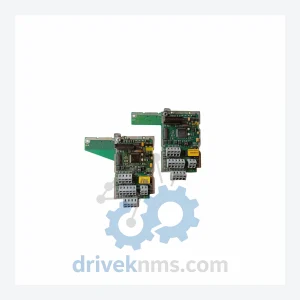
Siemens ULC0065
Siemens ULC0065 is listed for Servo Drives RFQ review. Confirm quantity, condition and destination before quotation.
RFQ-ready industrial model
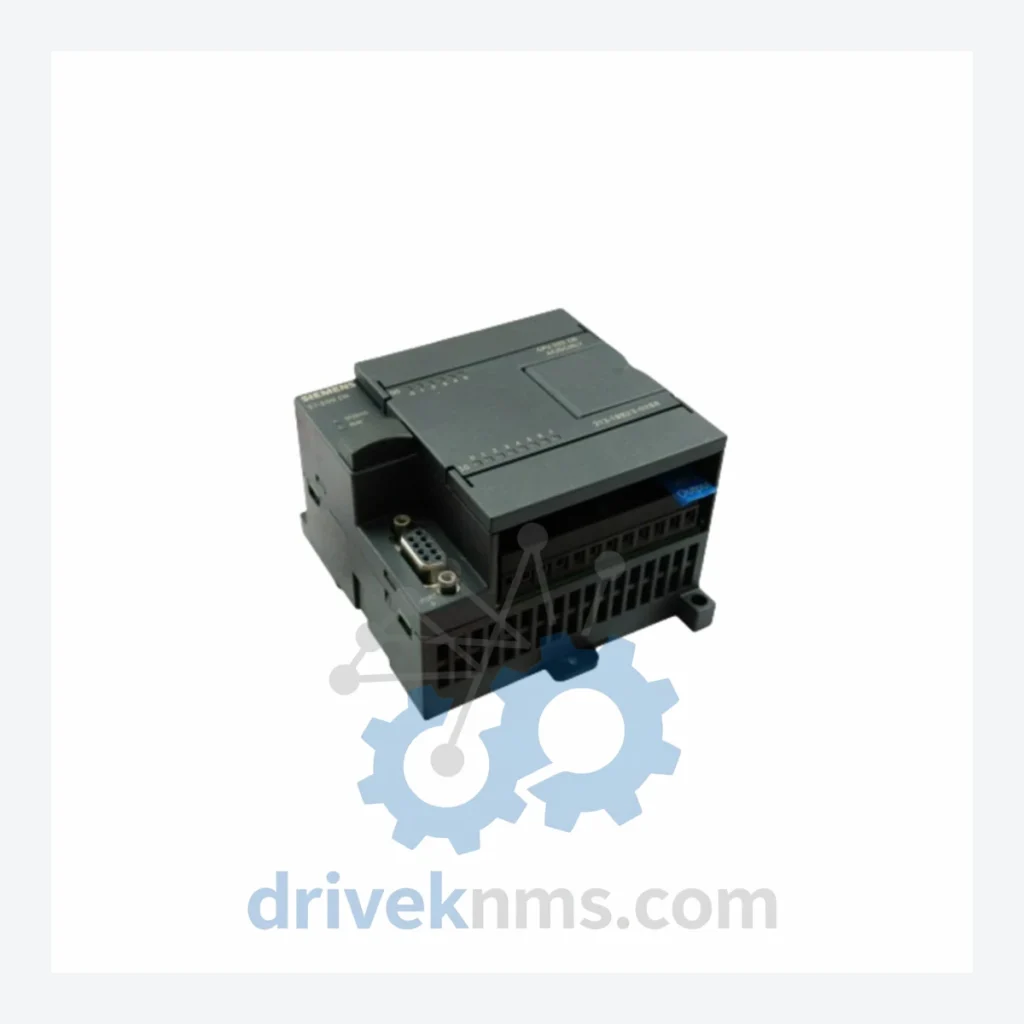
Model: 6ES7212-1BB23-0XB8
Product Overview
Commercial availability is handled through direct RFQ, model verification and export-oriented follow-up rather than public cart checkout.
Datasheet Preview
Use attached product manuals when available. If the manual is not public yet, request the full file directly through RFQ.
Commercial Path
Product pages on DRIVEKNMS are designed to verify model, brand and series first, then move the buyer into one clean quotation path.
Technical Dossier
The Siemens 6ES7212-1BB23-0XB8 is a discontinued CPU unit from the S7-200 Micro PLC series. Siemens officially ended mainstream support for the S7-200 platform in 2017. Replacement units are no longer manufactured. Every facility still operating S7-200-based control systems is now dependent on the secondary market for hardware continuity. DriveKNMS maintains RFQ-reviewed sourcing status of this module for facilities that cannot afford unplanned system retirement.
RFQ support for obsolete parts: Send the model number, required quantity and destination so DriveKNMS can confirm sourcing options before quotation.
| Parameter | Value |
|---|---|
| Part Number | 6ES7212-1BB23-0XB8 |
| Series | Siemens SIMATIC S7-200 |
| Module Type | CPU 212 Compact Unit |
| Discontinuation Status | Officially discontinued. End of mainstream support: 2017. No longer manufactured by Siemens. |
| Supply Voltage | 24 V DC |
| Digital Inputs | 8 |
| Digital Outputs | 6 (Transistor) |
| Program Memory | 2 KB |
| Data Memory | 1 KB |
| Communication Interface | RS-485 (PPI/MPI) |
| Compatible Programming Software | STEP 7-Micro/WIN |
| Country of Origin | Germany |
The S7-200 platform was deployed extensively across packaging, food processing, water treatment, and light manufacturing facilities throughout the 1990s and 2000s. Its compact form factor, deterministic scan cycle, and straightforward ladder logic programming made it a reliable workhorse for small-to-medium automation tasks. Many of these installations remain operational today — not because the technology is current, but because the underlying process it controls has not changed and the cost of replacement cannot be justified.
The 6ES7212-1BB23-0XB8 CPU is the processing core of these systems. It executes the control program, manages I/O communication, and maintains the data registers that define machine behavior. There is no firmware-compatible substitute from Siemens' current portfolio. The S7-1200 and S7-1500 series require complete program migration using TIA Portal, a process that demands significant engineering hours and introduces re-validation risk in regulated industries.
For plant managers operating under capital expenditure constraints, the practical strategy is not replacement — it is asset extension. A verified spare CPU module, held on-site or sourced on demand, converts a potential catastrophic failure event into a scheduled maintenance activity. The cost differential between a spare module and a full system migration is, in most cases, two to three orders of magnitude.
How to extend your S7-200 system lifespan by 5–10 years:
Sourcing discontinued hardware from the secondary market carries inherent risk. DriveKNMS applies a structured 5-step qualification process to every S7-200 CPU unit before it is offered for sale.
Units that do not pass all five stages are not listed for sale. Condition grade (New, Refurbished-Grade-A, or Tested-Used) is disclosed on each order confirmation.
Should I purchase more than one unit?
For any facility with a single S7-200 CPU controlling a critical process, holding a minimum of two spare units is the standard recommendation. Secondary market availability for specific S7-200 CPU variants is not guaranteed. Procurement now, at known cost, eliminates sourcing risk during a future failure event.
Can you source other S7-200 components?
Yes. DriveKNMS maintains sourcing capability across the S7-200 product family, including EM expansion modules, HMI panels (TD 200, TP 070), and communication processors. Contact us with your full bill of materials.
Continue The Model Path
Move from this exact model into the matching system hub, brand archive, model-family archive or lifecycle sourcing route before sending a final RFQ list.
Related Paths
Siemens ULC0065 is listed for Servo Drives RFQ review. Confirm quantity, condition and destination before quotation.
Siemens RW3045-1AB14 is listed for SIRIUS Series RFQ review. Confirm quantity, condition and destination before quotation.
Siemens LDZ10500424.040 is listed for Servo Drives RFQ review. Confirm quantity, condition and destination before quotation.