
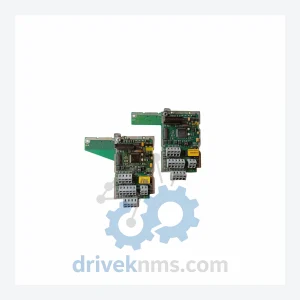
Siemens ULC0065
Siemens ULC0065 is listed for Servo Drives RFQ review. Confirm quantity, condition and destination before quotation.
RFQ-ready industrial model
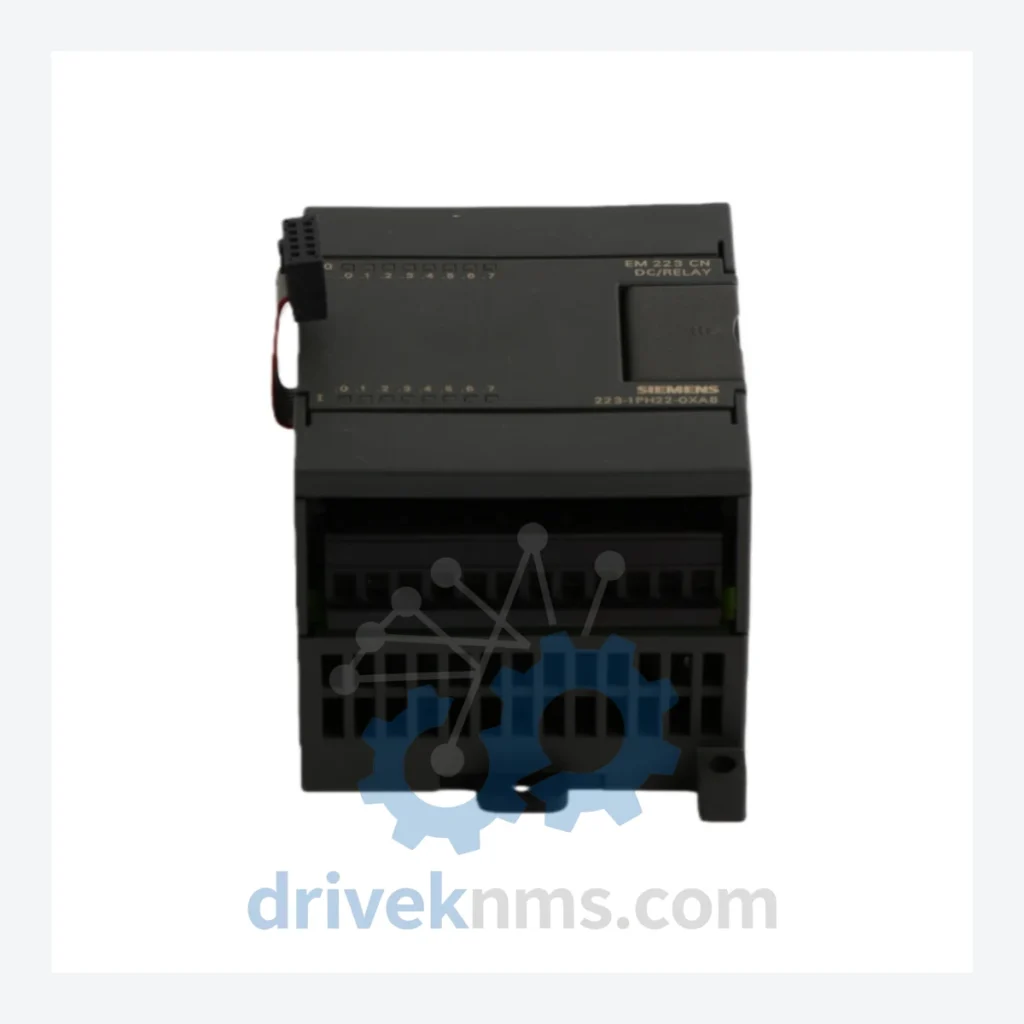
Model: 6ES7223-1PH22-0XA0
Product Overview
Commercial availability is handled through direct RFQ, model verification and export-oriented follow-up rather than public cart checkout.
Datasheet Preview
Use attached product manuals when available. If the manual is not public yet, request the full file directly through RFQ.
Commercial Path
Product pages on DRIVEKNMS are designed to verify model, brand and series first, then move the buyer into one clean quotation path.
Technical Dossier
RFQ support for obsolete parts: Send the model number, required quantity and destination so DriveKNMS can confirm sourcing options before quotation.
| Part Number | 6ES7223-1PH22-0XA0 |
| Product Series | SIMATIC S7-200 |
| Module Type | Digital Combination I/O Expansion Module |
| Digital Inputs | 8 x DC 24V inputs |
| Digital Outputs | 8 x DC 24V / 0.75A transistor outputs |
| Supply Voltage | DC 24V |
| Connection Method | Screw terminal |
| Compatible CPUs | S7-200 CPU 221, 222, 224, 224XP, 226 |
| Country of Origin | Germany |
| Lifecycle Status | Discontinued / Obsolete – No longer in production |
| Siemens Support Status | End of Life – No active Siemens support contract available |
The SIMATIC S7-200 platform was deployed extensively across packaging lines, water treatment facilities, material handling systems, and light manufacturing cells throughout the 1990s and 2000s. Many of these installations remain operational today — not because of inertia, but because the underlying process logic is stable, the operators are trained, and the capital cost of replacement cannot be justified against current production margins.
The 6ES7223-1PH22-0XA0 sits at the edge of the S7-200 CPU, handling the physical interface between the controller and field devices. It is not a peripheral accessory — it is the point at which the control system touches the physical world. When this module degrades or fails, the CPU loses visibility and control over the connected I/O points. There is no software workaround. The module must be replaced with an identical unit.
No cross-compatible substitute exists within current Siemens product lines. The S7-1200 and S7-1500 series use entirely different hardware architectures, communication protocols, and programming environments. Migrating from S7-200 to any current platform requires a full engineering project — not a module swap. For facilities managing 10, 20, or 50 S7-200 installations, the cost exposure from a single unplanned failure without a spare on hand is substantial.
Sourcing obsolete industrial hardware from unverified channels carries real risk. Counterfeit modules, units with undisclosed prior damage, and firmware mismatches have caused control system faults in the field. DriveKNMS applies a structured 5-step inspection protocol to every S7-200 module before it is offered for sale:
Step 1 – Visual and mechanical inspection: Full external examination for physical damage, housing cracks, terminal condition, and label integrity. Units with evidence of field abuse are rejected at this stage.
Step 2 – Electrolytic capacitor assessment: Aged electrolytic capacitors are a primary failure mode in modules of this generation. Each unit is inspected for capacitor bulging, leakage, and ESR deviation. Modules with degraded capacitors are either reconditioned by qualified technicians or removed from saleable inventory.
Step 3 – Firmware version verification: The firmware version is confirmed and documented. Mismatched firmware between expansion modules and CPU units can cause intermittent communication faults that are difficult to diagnose in the field.
Step 4 – Terminal and connector inspection: All screw terminals and backplane connectors are examined for corrosion, oxidation, and mechanical wear. Pin corrosion is a common failure point in modules recovered from humid or coastal industrial environments.
Step 5 – Functional power-on test: Where test equipment permits, modules are powered and I/O point response is verified prior to packaging.
The 6ES7223-1PH22-0XA0 is a direct drop-in replacement for any failed unit of the same part number within an S7-200 system. No CPU reprogramming is required. No I/O address remapping is needed. No changes to the STEP 7 Micro/WIN project file are necessary. The replacement module is recognized automatically by the CPU upon power-up, and the system resumes normal operation.
This characteristic is critical for facilities without on-site PLC programming expertise. A maintenance technician with basic electrical competency can execute the swap using the existing wiring documentation. There is no engineering call-out required, no software license needed, and no risk of introducing configuration errors during the replacement process. The total cost of the repair is the cost of the spare module plus the technician's time — not a project.
For facilities managing multiple S7-200 installations, the 6ES7223-1PH22-0XA0 is interchangeable across all compatible CPU variants (221, 222, 224, 224XP, 226), which simplifies spare parts inventory management. One module type covers multiple machine configurations.
Q: How do I know the unit is genuine Siemens and not a counterfeit?
A: All units are inspected for authentic Siemens labeling, correct housing construction, and genuine PCB markings. We do not source from unverified brokers. Provenance documentation is available on request for critical applications.
Q: Can you supply multiple units for a long-term spare parts program?
A: Yes. Contact us with your quantity requirement and delivery schedule. We can discuss allocation, staged delivery, and storage options for larger spare parts programs.
Continue The Model Path
Move from this exact model into the matching system hub, brand archive, model-family archive or lifecycle sourcing route before sending a final RFQ list.
Related Paths
Siemens ULC0065 is listed for Servo Drives RFQ review. Confirm quantity, condition and destination before quotation.
Siemens RW3045-1AB14 is listed for SIRIUS Series RFQ review. Confirm quantity, condition and destination before quotation.
Siemens LDZ10500424.040 is listed for Servo Drives RFQ review. Confirm quantity, condition and destination before quotation.