Technical Dossier
Product Details And Specifications
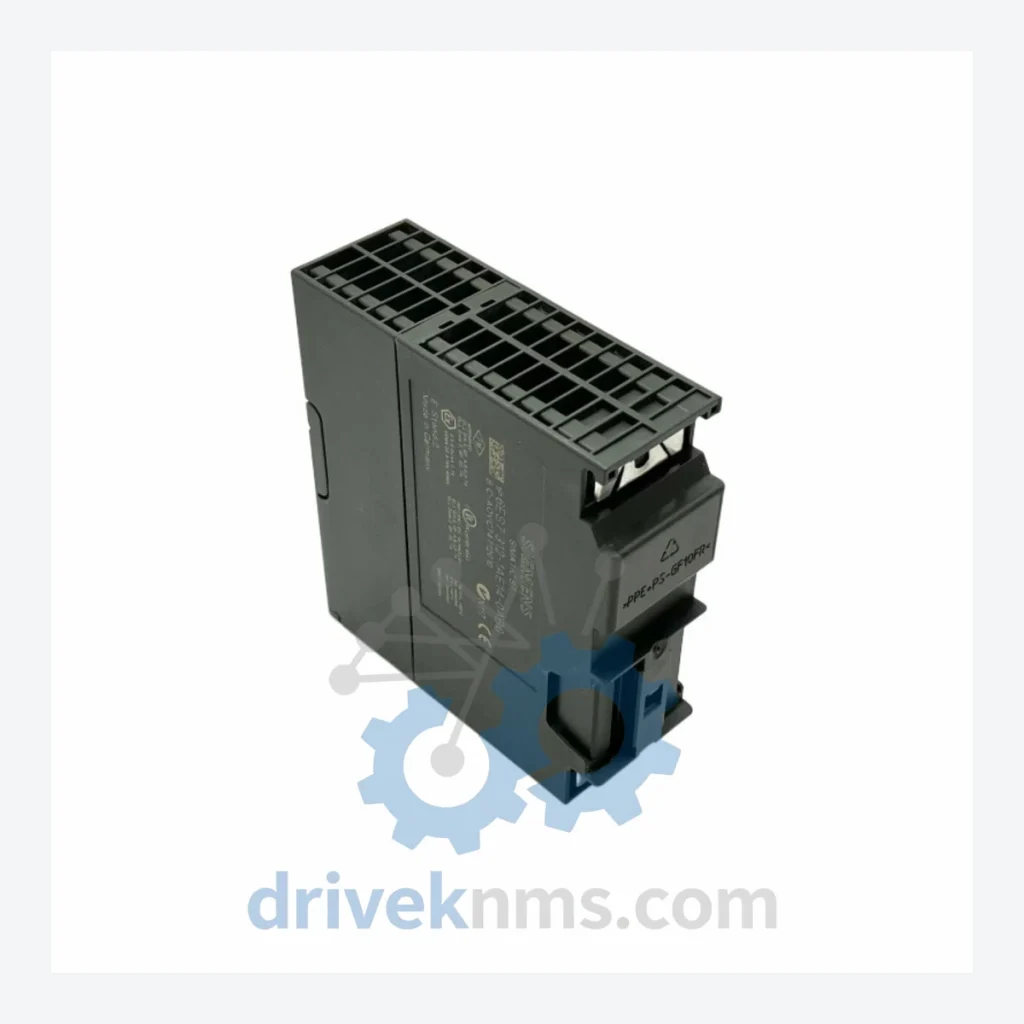
Siemens 6ES7312-1AE14-0AB0 CPU Module – Obsolete S7-300 Spare Part
RFQ support for obsolete parts: Send the model number, required quantity and destination so DriveKNMS can confirm sourcing options before quotation.
Technical Specifications
| Parameter | Value |
| Manufacturer | Siemens AG |
| Part Number | 6ES7312-1AE14-0AB0 |
| Product Family | SIMATIC S7-300 |
| Module Type | CPU 312 |
| Discontinuation Status | Discontinued / End of Life (Siemens) |
| Supply Voltage | DC 24 V |
| Work Memory | 32 KB |
| MPI Interface | Yes (integrated) |
| Micro Memory Card | Required (not included) |
| Compatible Rack | SIMATIC S7-300 standard rail |
| Country of Origin | Germany |
| Firmware | V2.x series (version-dependent on application) |
Solving the Discontinued Hardware Crisis
The SIMATIC S7-300 platform was the backbone of industrial automation for over two decades. Thousands of facilities across automotive, chemical, food processing, and utilities sectors built their control architecture around it. The 6ES7312-1AE14-0AB0 CPU 312 sits at the center of smaller S7-300 configurations — handling program execution, MPI communication, and I/O coordination for the entire rack.
Q: How are RFQ terms confirmed?
A: Quantity, required condition, documentation needs, destination and sourcing route are confirmed during RFQ review before quotation.
Beyond immediate failure response, the discontinuation creates a longer-term asset management problem. Facilities that have deferred S7-300 migration — whether for budget reasons, process complexity, or regulatory constraints — are now operating without a manufacturer safety net. The engineering knowledge embedded in existing S7-300 programs, the calibrated I/O configurations, and the validated process logic represent years of accumulated investment. Replacing the platform does not transfer that investment; it discards it and starts over.
Sourcing verified spare modules from specialist distributors like DriveKNMS is the mechanism by which plant managers extend the productive life of that embedded investment by 5 to 10 years, at a fraction of the cost of platform migration. The strategy is not avoidance of modernization — it is the controlled, budgeted management of modernization on the facility's own timeline rather than on the timeline imposed by an unplanned hardware failure.
Condition & Reliability Assurance
- Step 1 – Visual and Physical Inspection: Housing integrity, connector pin condition, and label authenticity are verified against known-good reference units. Counterfeit screening is conducted at this stage.
- Step 2 – Electrolytic Capacitor Assessment: Aging electrolytic capacitors are the primary failure mode in stored S7-300 CPUs. Each unit is inspected for capacitor bulging, leakage, and ESR deviation. Units with degraded capacitors are either reconditioned or rejected.
- Step 3 – Firmware Version Verification: The installed firmware version is documented and cross-referenced against known compatibility requirements. Firmware version mismatches between replacement CPUs and existing program structures are a documented source of post-installation faults.
- Step 4 – Pin and Connector Corrosion Check: Backplane connector pins are inspected under magnification for oxidation and mechanical deformation. Corroded pins cause intermittent communication faults that are difficult to diagnose after installation.
- Step 5 – Functional Power-On Test: Each unit is powered and verified to complete its self-diagnostic cycle without fault codes before dispatch.
Key Features for System Maintenance
Q: How is condition confirmed before quotation?
A: Available condition, photos, test records and documentation are checked according to the requested model and sourcing channel before a formal RFQ response.
Q: How do I know the unit is genuine and not counterfeit?
A: Physical authenticity screening is part of Step 1 of our inspection process. We document unit serial numbers and can provide inspection records on request. We do not sell units that fail authenticity checks.
Q: Can you source other discontinued S7-300 modules?
A: Yes. DriveKNMS specializes in hard-to-find and discontinued Siemens SIMATIC components. Contact us with your full BOM for availability assessment.