Technical Dossier
Product Details And Specifications
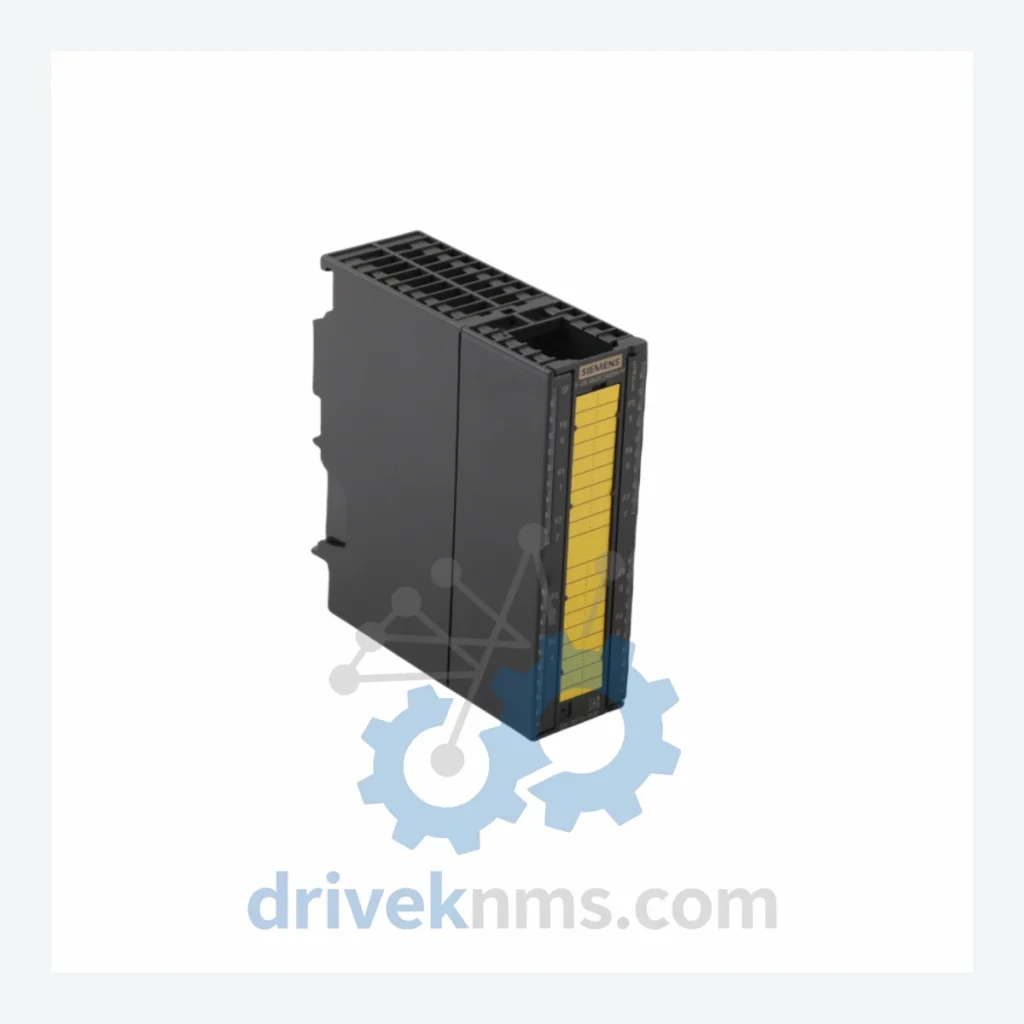
Siemens 6ES7326-2BF10-0AB0 Fail-Safe Digital Input Module – Obsolete S7-300 Spare Part
RFQ support for obsolete parts: Send the model number, required quantity and destination so DriveKNMS can confirm sourcing options before quotation.
Technical Specifications
| Part Number | 6ES7326-2BF10-0AB0 |
| Brand | Siemens |
| Series | SIMATIC S7-300 / ET 200M |
| Module Type | Fail-Safe Digital Input Module (F-DI) |
| Safety Category | SIL 3 (IEC 61508), Category 4 (EN 954-1) |
| Number of Inputs | 8 fail-safe digital inputs |
| Input Voltage | 24 V DC |
| Backplane Bus | S7-300 standard backplane |
| Compatible Systems | SIMATIC S7-300, ET 200M distributed I/O |
| Country of Origin | Germany |
| Discontinuation Status | Discontinued – no longer available through Siemens standard supply chain |
Solving the Discontinued Hardware Crisis
The 6ES7326-2BF10-0AB0 was designed specifically for safety-instrumented systems running on the S7-300 platform — a platform that powered process control, machine safety, and emergency shutdown systems across chemical, oil & gas, automotive, and power generation facilities for over two decades. Its fail-safe architecture, SIL 3 rating, and direct integration with Siemens F-CPU modules (such as the CPU 315F-2 PN/DP and CPU 317F-2 DP) made it a non-negotiable component in certified safety loops.
Replacing this module is not a matter of finding a generic digital input card. The F-DI module communicates with the F-CPU via a proprietary PROFIsafe protocol layer. Substituting it with a standard (non-fail-safe) module invalidates the safety certification of the entire loop. For facilities operating under IEC 61511 or machinery directive compliance, this is not a workaround — it is a compliance failure.
Extending Asset Life by 5–10 Years: A Maintenance Strategy for S7-300 Safety Systems
1. Identify single-point-of-failure modules. Fail-safe I/O modules — particularly F-DI and F-DO cards — are the highest-risk components in a safety loop. They carry the most diagnostic load and are subject to the most frequent firmware interrogation cycles. Prioritize stocking these first.
2. Maintain a minimum two-unit buffer per safety zone. One unit in service, one verified spare in controlled storage. For critical shutdown systems, a three-unit buffer is standard practice in high-availability facilities.
3. Store modules correctly. Electrostatic discharge, humidity, and temperature cycling are the primary causes of shelf degradation in CMOS-based PLC modules. Anti-static packaging, climate-controlled storage (15–25°C, <60% RH), and annual visual inspection are minimum requirements.
4. Document firmware versions. The 6ES7326-2BF10-0AB0 has specific firmware compatibility requirements with F-CPU versions. Before deploying a spare, confirm the firmware version matches the installed base. Mismatched firmware can trigger safety faults on startup.
Condition & Reliability Assurance
DriveKNMS applies a structured 5-step inspection protocol to all discontinued modules before they are offered for sale. This process is designed to identify the failure modes most common in long-stored or field-removed industrial electronics:
Step 1 – Visual and mechanical inspection. All connectors, backplane contacts, and housing are examined for physical damage, pin corrosion, and contamination. Modules with corroded or bent backplane pins are rejected.
Step 2 – Electrolytic capacitor assessment. Aged electrolytic capacitors are the leading cause of latent failure in stored PLC modules. Each board is inspected for signs of electrolyte leakage, bulging, or discoloration. Modules with suspect capacitors are flagged and not offered as ready-to-install units.
Step 3 – Firmware version verification. The module's firmware version is recorded and cross-referenced against known compatibility matrices for S7-300 F-CPU variants. This information is disclosed to the buyer prior to shipment.
Step 4 – Functional power-on test. Where test infrastructure permits, modules are powered on and checked for normal diagnostic LED behavior and absence of fault codes.
Step 5 – Packaging and documentation. Modules are packed in anti-static bags with desiccant, placed in rigid protective packaging, and shipped with a condition report. Serial numbers and any available traceability documentation are included.
Key Features for System Maintenance
The 6ES7326-2BF10-0AB0 is a direct drop-in replacement for the same part number in any S7-300 or ET 200M rack. No hardware modification, no software re-configuration, and no safety re-validation is required when replacing a failed module with a unit of identical part number and compatible firmware version. This is the lowest-cost, lowest-risk path to restoring a safety-certified system to full operational status.
- Direct backplane replacement — no rack modification required
- Retains existing STEP 7 Safety program without modification
- Preserves existing SIL 3 / Category 4 safety certification
- Eliminates engineering costs associated with platform migration
- Restores production within hours, not weeks
Q: How do I know the module is genuine and not counterfeit?
A: All modules are sourced from documented industrial channels. We provide serial numbers and, where available, original packaging or traceability records. We do not source from unverified brokers. If you require additional authentication, we recommend engaging Siemens' authorized service network for independent verification prior to installation.
Q: Can this module be used in a new installation?
A: It can be installed in any compatible S7-300 or ET 200M rack. However, given its discontinued status, DriveKNMS recommends its use exclusively as a maintenance spare for existing certified systems, not as the basis for new safety system designs.