
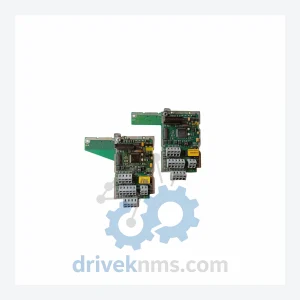
Siemens ULC0065
Siemens ULC0065 is listed for Servo Drives RFQ review. Confirm quantity, condition and destination before quotation.
RFQ-ready industrial model
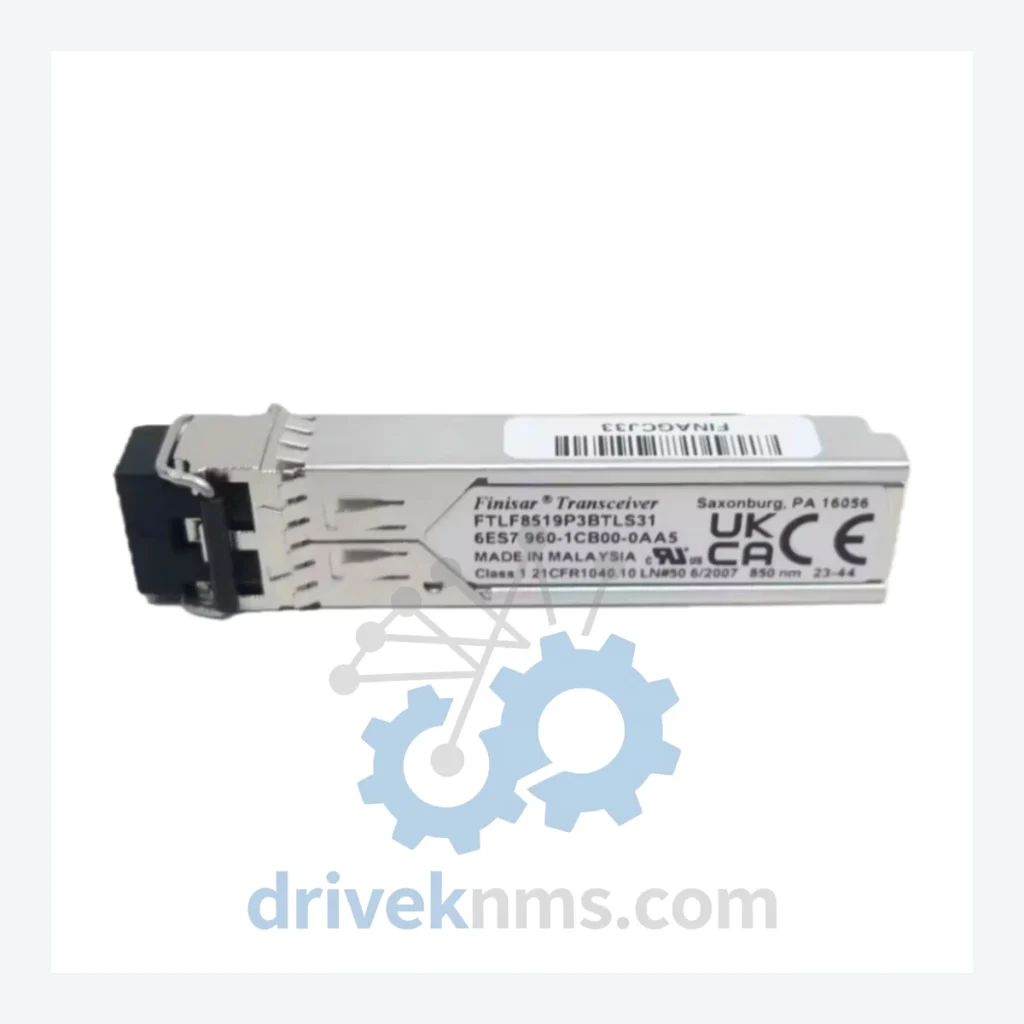
Model: 6ES7960-1CB00-0AA5
Product Overview
Commercial availability is handled through direct RFQ, model verification and export-oriented follow-up rather than public cart checkout.
Datasheet Preview
Use attached product manuals when available. If the manual is not public yet, request the full file directly through RFQ.
Commercial Path
Product pages on DRIVEKNMS are designed to verify model, brand and series first, then move the buyer into one clean quotation path.
Technical Dossier
When a Siemens SIMATIC S7-400H redundant control system loses its synchronization module, the consequences are not limited to a single machine going offline. In high-availability process environments — petrochemical plants, power generation facilities, water treatment infrastructure — the S7-400H architecture was specifically engineered to eliminate single points of failure. The 6ES7960-1CB00-0AA5 is the hardware backbone of that redundancy. Without it, the entire fault-tolerant configuration collapses into a single-CPU mode, or worse, a full system halt.
The SIMATIC S7-400H platform was Siemens' flagship high-availability PLC architecture for over two decades. It was deployed extensively in oil & gas SCADA systems, chemical batch processing, nuclear auxiliary systems, and large-scale utilities. The 6ES7960-1CB00-0AA5 synchronization module is the physical link between the two redundant CPUs — it carries the real-time state synchronization data that allows seamless CPU switchover in the event of a fault.
Siemens has officially transitioned its redundancy portfolio toward the S7-1500H and TIA Portal ecosystem. While the migration path exists on paper, the practical reality for most facilities is that a full system upgrade requires re-engineering every function block, revalidating every safety interlock, and retraining every maintenance technician. For a plant running 24/7 with regulatory compliance obligations, this is a multi-year program — not a reactive maintenance decision.
Sourcing obsolete parts from unverified channels carries real risk. Counterfeit modules, improperly stored units, and firmware-mismatched hardware have caused control system failures that took days to diagnose. DriveKNMS applies a structured 5-step QA protocol to every 6ES7960-1CB00-0AA5 unit before dispatch review:
Q: How is condition confirmed before quotation?
A: Available condition, photos, test records and documentation are checked according to the requested model and sourcing channel before a formal RFQ response.
Q: How are RFQ terms confirmed?
A: Quantity, required condition, documentation needs, destination and sourcing route are confirmed during RFQ review before quotation.
Q: Can you support multi-unit or repeat RFQ requests?
A: Yes. Send the model list, target quantity and destination so DRIVEKNMS can review sourcing options and quote the requirement as a project RFQ.
Continue The Model Path
Move from this exact model into the matching system hub, brand archive, model-family archive or lifecycle sourcing route before sending a final RFQ list.
Related Paths
Siemens ULC0065 is listed for Servo Drives RFQ review. Confirm quantity, condition and destination before quotation.
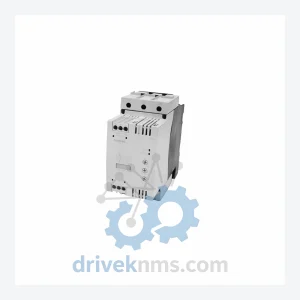
Siemens RW3045-1AB14 is listed for SIRIUS Series RFQ review. Confirm quantity, condition and destination before quotation.
Siemens LDZ10500424.040 is listed for Servo Drives RFQ review. Confirm quantity, condition and destination before quotation.