
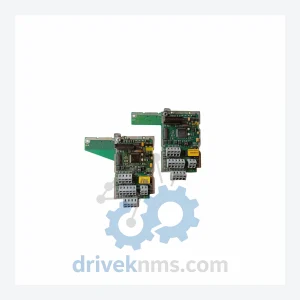
Siemens ULC0065
Siemens ULC0065 is listed for Servo Drives RFQ review. Confirm quantity, condition and destination before quotation.
RFQ-ready industrial model
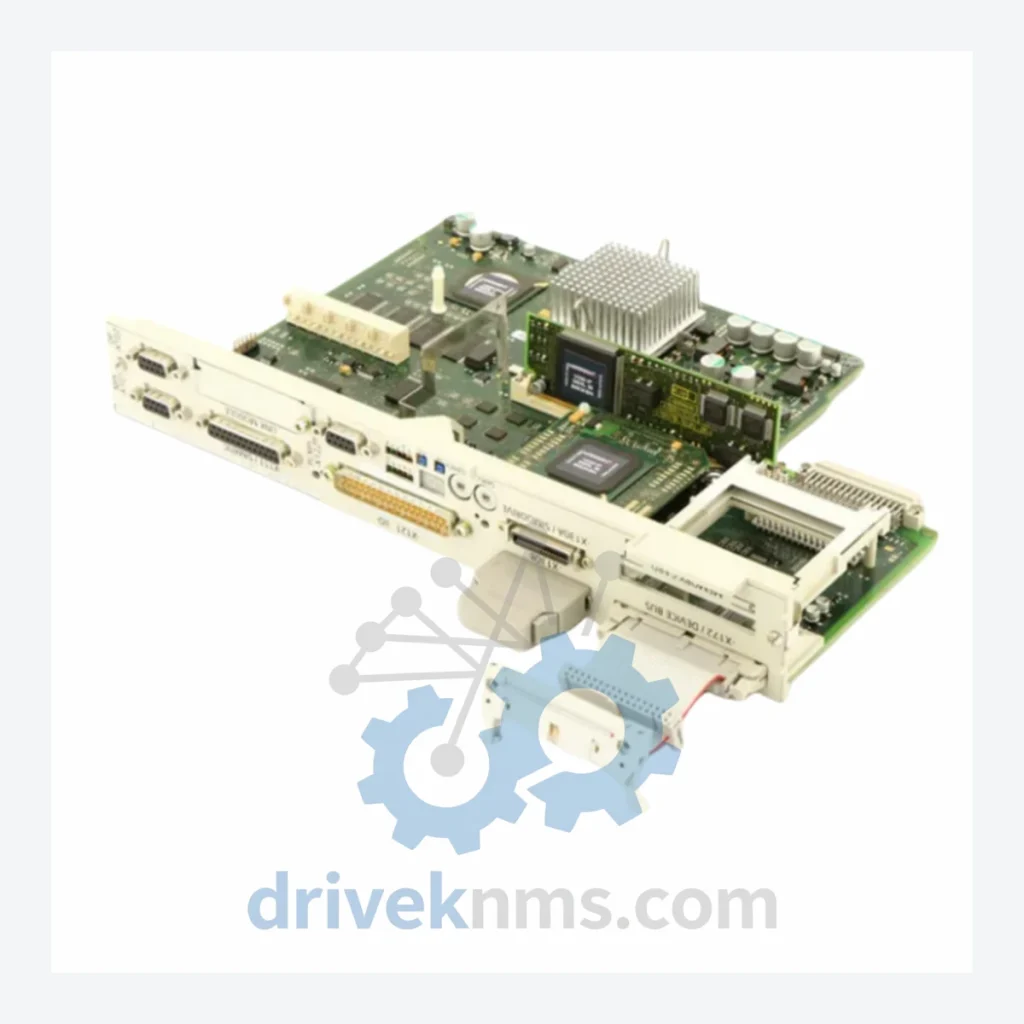
Model: 6FC5357-0BB35-0AA0
Product Overview
Commercial availability is handled through direct RFQ, model verification and export-oriented follow-up rather than public cart checkout.
Datasheet Preview
Use attached product manuals when available. If the manual is not public yet, request the full file directly through RFQ.
Commercial Path
Product pages on DRIVEKNMS are designed to verify model, brand and series first, then move the buyer into one clean quotation path.
Technical Dossier
RFQ support for obsolete parts: Send the model number, required quantity and destination so DriveKNMS can confirm sourcing options before quotation.
Note: Electrical parameters for this obsolete module vary by hardware revision. To protect equipment safety, specific voltage, current, and axis count data are confirmed individually at the time of order based on the unit's nameplate and firmware version. No parameters are assumed or generalized.
The SINUMERIK 840D and 810D platforms powered a generation of precision machine tools — grinding centers, turning centers, multi-axis machining cells — that remain mechanically sound and productively viable today. The mechanical structure of a quality machine tool has a service life measured in decades. The control electronics do not share that longevity, and Siemens has progressively discontinued the module-level components that keep these systems operational.
The 6FC5357-0BB35-0AA0 is one such module. Its function within the NCU/drive architecture is not replicated by a simple substitute; the system was designed around specific hardware identifiers, firmware handshakes, and axis configuration data stored in the module itself. Replacing it with a non-identical part does not work without engineering intervention. Replacing the entire control system means rewriting part programs, recalibrating axes, retraining operators, and validating the machine against quality standards — a process that takes a machine out of production for weeks or months.
For factory management facing pressure to modernize aging assets, the calculus is straightforward: a verified replacement module at a fraction of the retrofit cost extends the productive life of the machine by five to ten years, preserves the existing operator skill base, and defers a capital expenditure that may not be justified by the machine's remaining production volume. Procurement of critical spare modules — held in a controlled environment — is the lowest-cost insurance policy available for legacy CNC assets.
Factories that have successfully extended SINUMERIK 840D system life by a decade or more share a common practice: they identify the three to five module types most likely to cause a total system failure, secure verified spares for each, and store them under controlled conditions. The 6FC5357-0BB35-0AA0 is consistently on that list for multi-axis configurations.
Obsolete modules sourced from the secondary market carry real risk. DriveKNMS applies a five-step qualification process before any unit is offered for sale:
Step 1 – Electrolytic Capacitor Assessment: Capacitor aging is the primary failure mode in servo drive electronics stored for extended periods. Each unit undergoes visual inspection and electrical measurement to identify capacitors that have drifted outside tolerance or show physical degradation. Units with compromised capacitors are either recapped with specification-matched components or rejected.
Step 2 – Firmware Version Verification: The firmware version on the module must be documented and disclosed. Mismatched firmware between the NCU and drive modules is a known source of initialization failures. We record and report the firmware revision on every unit.
Q: How are RFQ terms confirmed?
A: Quantity, required condition, documentation needs, destination and sourcing route are confirmed during RFQ review before quotation.
Step 4 – Functional Bench Test: Where test infrastructure permits, modules are powered and exercised through a functional sequence to confirm basic operational integrity prior to shipment.
Step 5 – Documentation and Traceability: Each unit ships with a condition report documenting the inspection findings, firmware version, and any remediation performed. This record supports your internal maintenance documentation and any future audit requirements.
For facilities managing multiple SINUMERIK 840D or 810D machines, a single spare module can serve as insurance across the entire fleet, provided the hardware revision is compatible. DriveKNMS can advise on revision compatibility based on your machine's NCU software version and existing module configuration.
How do I confirm the unit is genuine and not counterfeit?
All units sourced by DriveKNMS are inspected for authenticity markers including label construction, PCB markings, and component date codes consistent with the original manufacturing period. We do not source from channels known to supply counterfeit industrial electronics. A condition and authenticity report is provided with each shipment.
Q: Can you support multi-unit or repeat RFQ requests?
A: Yes. Send the model list, target quantity and destination so DRIVEKNMS can review sourcing options and quote the requirement as a project RFQ.
What are the storage requirements for a spare module?
Store in a dry environment, 15–35°C, away from direct sunlight and electromagnetic interference sources. Anti-static packaging should be maintained until installation. Inspect annually for any signs of physical degradation.
Can DriveKNMS source other SINUMERIK modules?
Yes. DriveKNMS specializes in obsolete and hard-to-find industrial automation components across the Siemens SINUMERIK, SIMODRIVE, and SIMATIC product lines, as well as other major control platforms. Contact us with your part number for availability.
Continue The Model Path
Move from this exact model into the matching system hub, brand archive, model-family archive or lifecycle sourcing route before sending a final RFQ list.
Related Paths
Siemens ULC0065 is listed for Servo Drives RFQ review. Confirm quantity, condition and destination before quotation.
Siemens RW3045-1AB14 is listed for SIRIUS Series RFQ review. Confirm quantity, condition and destination before quotation.
Siemens LDZ10500424.040 is listed for Servo Drives RFQ review. Confirm quantity, condition and destination before quotation.