
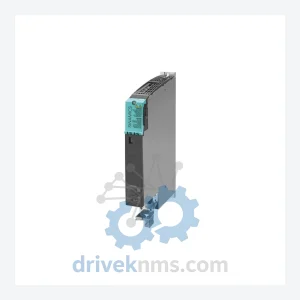
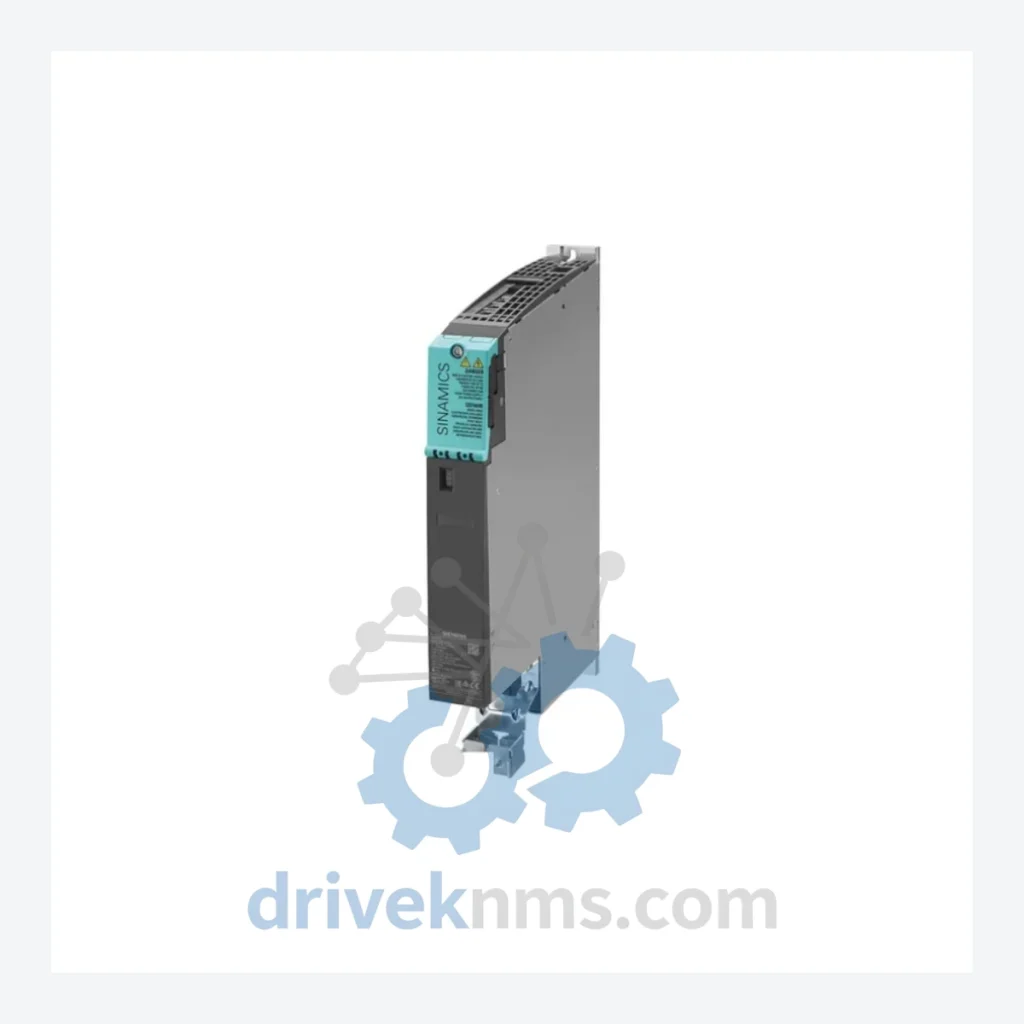
Siemens A5E36524726 Power Cell – SINAMICS Series
Siemens A5E36524726 is listed for SINAMICS RFQ review. Confirm quantity, condition and destination before quotation.
RFQ-ready industrial model
Model: 6SL3120-1TE21-8AD0
Product Overview
Commercial availability is handled through direct RFQ, model verification and export-oriented follow-up rather than public cart checkout.
Datasheet Preview
Use attached product manuals when available. If the manual is not public yet, request the full file directly through RFQ.
Commercial Path
Product pages on DRIVEKNMS are designed to verify model, brand and series first, then move the buyer into one clean quotation path.
Technical Dossier
The Siemens SINAMICS S120 is a modular drive system engineered for high-performance motion control applications across global heavy industry. Deployed extensively in chemical processing plants, nuclear power facilities, oil refineries, steel mills, and paper manufacturing lines, the S120 platform operates as the backbone of coordinated multi-axis drive architectures. Its booksize and chassis format modules share a common DC bus, enabling regenerative energy exchange between axes — a design principle that reduces net energy consumption in multi-motor installations. The S120 system supports vector control, servo control, and V/f control modes within a single hardware family, making it the reference platform for OEMs and end-users requiring scalable, IEC-compliant drive solutions from fractional kilowatt to multi-megawatt power ranges.
The SINAMICS S120 platform was introduced by Siemens in the early 2000s as the successor to the SIMOVERT MASTERDRIVES MC (Motion Control) family. The architectural transition from MASTERDRIVES to S120 introduced a unified DRIVE-CLiQ communication backbone — a proprietary serial interface that replaced point-to-point encoder wiring and enabled automatic component identification via electronic nameplates stored in each module's memory chip.
Early S120 generations (firmware V2.x) supported basic vector and servo modes with the CU320 Control Unit. The introduction of the CU320-2 Control Unit (firmware V4.x onward) expanded axis count capacity, added Safety Integrated functions (STO, SS1, SLS, SDI, SSM) certified to SIL 2 / PLe, and introduced support for PROFINET IRT communication. The Booksize Compact format was added to address space-constrained cabinet installations, while the Chassis format extended the power range to 4500 kW for large industrial drives. Current production modules operate under firmware V5.x, which introduced Advanced Positioning Control (APC) and enhanced harmonic mitigation features. Legacy CU310 and early CU320 units are now discontinued; however, their Motor Modules and Power Modules remain mechanically and electrically compatible with current Control Units when firmware alignment is maintained.
The following SKUs represent verified, commonly stocked components within the SINAMICS S120 ecosystem, classified by functional category:
Control Units
Single Motor Modules (Booksize)
Double Motor Modules (Booksize)
Active Line Modules (ALM)
Power Modules (Chassis)
Supplementary Components
DriveKNMS maintains a dedicated inventory of discontinued and hard-to-source S120 modules sourced through verified industrial surplus channels. Each unit is catalogued by hardware revision, firmware version compatibility, and physical condition grade. For installations where a like-for-like replacement is unavailable, DriveKNMS provides cross-reference analysis to identify the nearest current-production equivalent, including any firmware or parameter migration requirements. Lifecycle extension support is available for plant operators committed to maintaining S120-based systems beyond Siemens' standard product support window.
SINAMICS S120 modules incorporate multi-layer backplane communication via DRIVE-CLiQ, which requires functional verification beyond standard power-on testing. DriveKNMS applies a structured inspection and test protocol to all S120 units processed through its facility:
Continue The Model Path
Move from this exact model into the matching system hub, brand archive, model-family archive or lifecycle sourcing route before sending a final RFQ list.
Related Paths
Siemens A5E36524726 is listed for SINAMICS RFQ review. Confirm quantity, condition and destination before quotation.
Siemens 6SL3210-1NE31-1UL0 is listed for SINAMICS RFQ review. Confirm quantity, condition and destination before quotation.
Siemens 6SR4902-0AG00-0AM1 A5E37684782 is listed for SINAMICS RFQ review. Confirm quantity, condition and destination before quotation.