
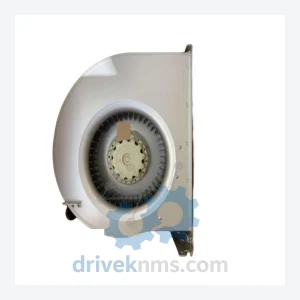
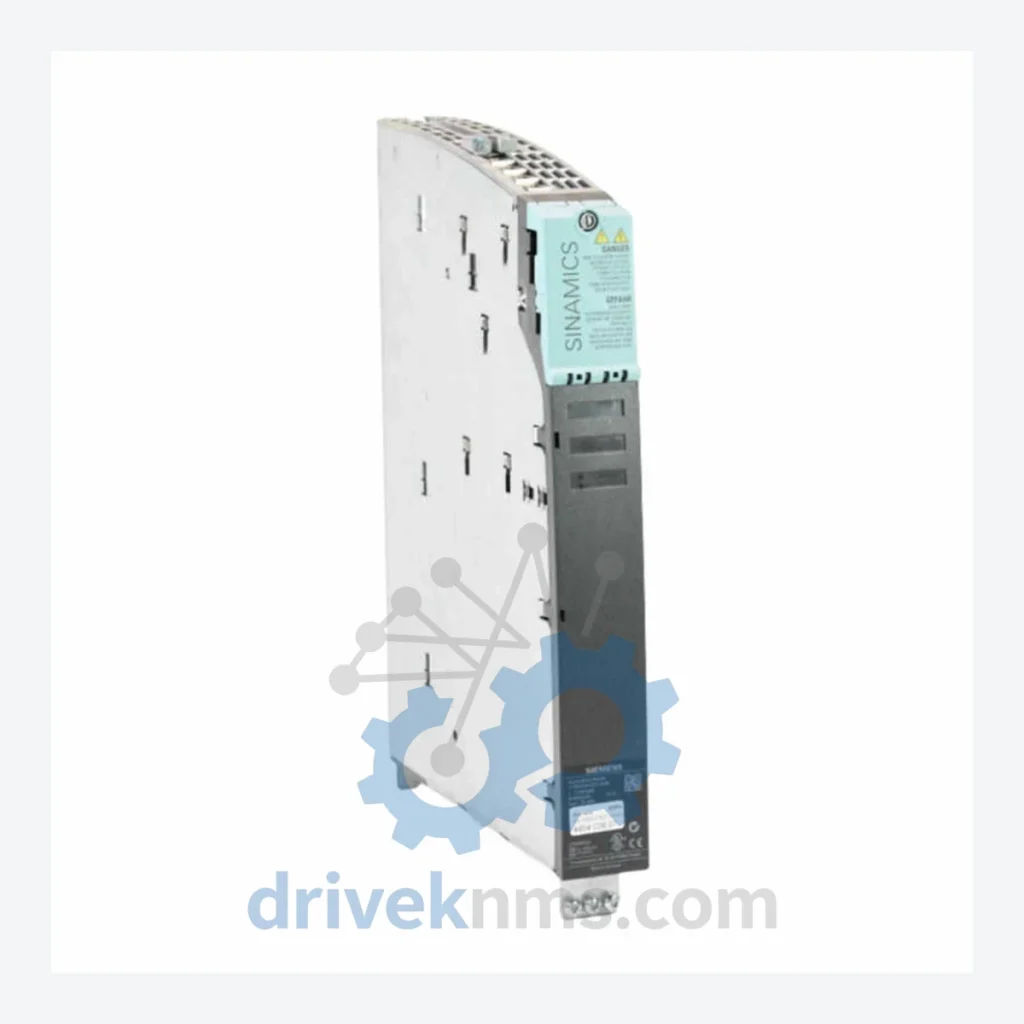
Siemens 6SL3362-0AG00-0AA1 Motor Module – SINAMICS Series
Siemens 6SL3362-0AG00-0AA1 is listed for SINAMICS RFQ review. Confirm quantity, condition and destination before quotation.
RFQ-ready industrial model
Model: 6SL3120-2TE21-0AA4
Product Overview
Commercial availability is handled through direct RFQ, model verification and export-oriented follow-up rather than public cart checkout.
Datasheet Preview
Use attached product manuals when available. If the manual is not public yet, request the full file directly through RFQ.
Commercial Path
Product pages on DRIVEKNMS are designed to verify model, brand and series first, then move the buyer into one clean quotation path.
Technical Dossier
RFQ support for obsolete parts: Send the model number, required quantity and destination so DriveKNMS can confirm sourcing options before quotation.
| Part Number | 6SL3120-2TE21-0AA4 |
| Series | SINAMICS S120 Booksize |
| Module Type | Double Motor Module |
| Axes | 2 (dual-axis output) |
| Rated Output Current | 9 A per axis |
| DC Link Voltage | 600 V DC |
| Communication Interface | DRIVE-CLiQ |
| Manufacturer | Siemens AG |
| Country of Origin | Germany |
| Discontinuation Status | Discontinued – no longer available through standard Siemens distribution |
The SINAMICS S120 platform was deployed extensively across automotive body shops, packaging lines, printing presses, and precision machine tool cells throughout the 2000s and 2010s. The 6SL3120-2TE21-0AA4 Double Motor Module sits at the core of these installations, managing two servo axes from a single booksize slot. Its DRIVE-CLiQ architecture is deeply integrated into the motion control topology — the module communicates directly with the CU320-2 or CU310-2 Control Unit, and its axis parameterization is embedded in the project file of the STARTER or Startdrive commissioning tool.
Holding a verified spare of the 6SL3120-2TE21-0AA4 eliminates that risk entirely. The module slots into the existing booksize chassis, connects to the existing DRIVE-CLiQ wiring, and restores the axis to service without any software changes. This is the only rational strategy for facilities that have not yet committed to a full drive system migration.
Obsolete industrial modules sourced from the secondary market carry real risks: electrolytic capacitor degradation, firmware version mismatches, and pin corrosion from improper storage are the three most common failure modes that cause a replacement unit to fail on first power-up. DriveKNMS applies a structured 5-step inspection protocol to every unit before dispatch review:
Step 1 – Visual and Mechanical Inspection: Full external examination for physical damage, connector pin condition, and housing integrity. Corroded or bent DRIVE-CLiQ and power connector pins are flagged and disqualified.
Step 3 – Firmware Version Verification: The embedded firmware version is read and documented. Customers are advised of the version on hand so compatibility with their existing CU firmware can be confirmed before dispatch review.
Step 4 – Functional Power-On Test: Where test bench infrastructure permits, units are powered through a controlled DC bus and basic axis enable sequence to confirm gate driver and IGBT integrity.
Step 5 – Packaging and ESD Protection: Units are repackaged in anti-static shielding bags with desiccant, boxed with foam isolation, and labeled with inspection date and technician ID for full traceability.
The 6SL3120-2TE21-0AA4 is a direct drop-in replacement for any booksize S120 installation currently using this part number. There is no firmware flashing required on the module itself — the Control Unit downloads axis parameters automatically via DRIVE-CLiQ on first power-up, provided the project file is intact. This means:
For plant managers evaluating the cost of maintaining aging S120 infrastructure versus committing to a full drive system upgrade, the arithmetic is direct: a verified spare module at a fraction of the upgrade cost buys 5 to 10 additional years of productive asset life, defers capital expenditure, and keeps the existing workforce's institutional knowledge relevant.
Q: How are RFQ terms confirmed?
A: Quantity, required condition, documentation needs, destination and sourcing route are confirmed during RFQ review before quotation.
Continue The Model Path
Move from this exact model into the matching system hub, brand archive, model-family archive or lifecycle sourcing route before sending a final RFQ list.
Related Paths
Siemens 6SL3362-0AG00-0AA1 is listed for SINAMICS RFQ review. Confirm quantity, condition and destination before quotation.
Siemens 6SL3120-1TE26-0AA3 is listed for SINAMICS RFQ review. Confirm quantity, condition and destination before quotation.
Siemens 6RA8075-6DV62-0AA0 is listed for SINAMICS RFQ review. Confirm quantity, condition and destination before quotation.