
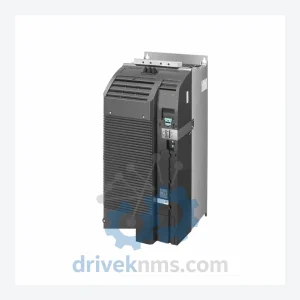
SIEMENS 6SL3210-1PE31-5UL0 Power Module – SINAMICS G120
Siemens PM240-2 6SL3210-1PE31-5UL0 is listed for SINAMICS RFQ review. Confirm quantity, condition and destination before quotation.
RFQ-ready industrial model
Model: 890CD-432730E0-000-2A000
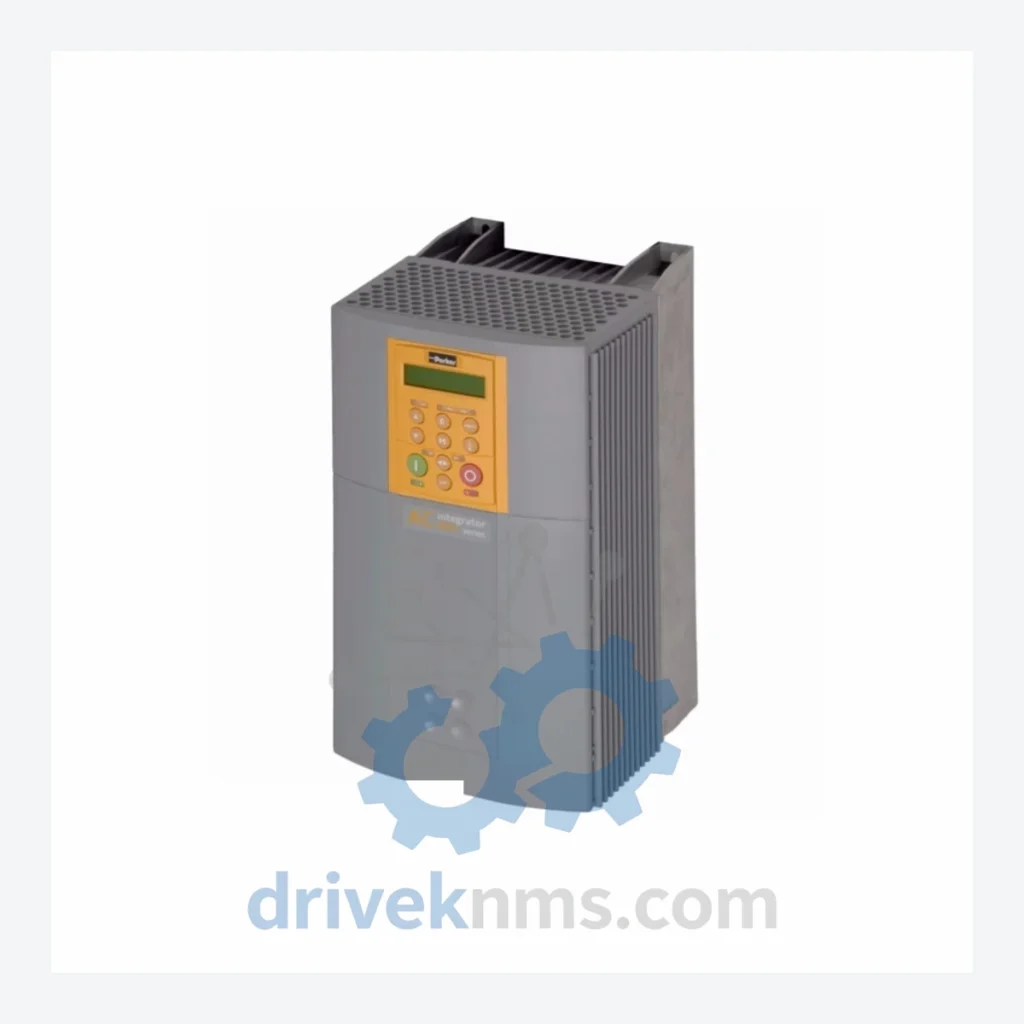
Product Overview
Commercial availability is handled through direct RFQ, model verification and export-oriented follow-up rather than public cart checkout.
Datasheet Preview
Use attached product manuals when available. If the manual is not public yet, request the full file directly through RFQ.
Commercial Path
Product pages on DRIVEKNMS are designed to verify model, brand and series first, then move the buyer into one clean quotation path.
Technical Dossier
DriveKNMS reviews sourcing options for this model through RFQ handling before quotation.
RFQ support for obsolete parts: Send the model number, required quantity and destination so DriveKNMS can confirm sourcing options before quotation.
| Manufacturer | Siemens |
| Part Number | 890CD-432730E0-000-2A000 |
| Category | AC Power Module |
| Series | SINAMICS / 890CD Series |
| Country of Origin | Germany |
| Discontinuation Status | Obsolete – No longer in active production by Siemens. Replacement requires system-level engineering review. |
| Compatible Systems | Siemens SINAMICS legacy drive platforms; SIMOREG DC Master series environments where 890CD modules were integrated |
| Availability | Limited – RFQ-reviewed sourcing status held by DriveKNMS |
Note: Electrical parameters specific to this unit configuration are not published here to prevent misapplication. Contact our technical team to confirm compatibility with your existing drive cabinet before ordering.
The 890CD-432730E0-000-2A000 was designed as a core power conversion component within Siemens' SINAMICS drive architecture. In facilities where this module was installed as part of a coordinated multi-axis drive system, it is not interchangeable with current-generation Siemens power modules without significant hardware and firmware adaptation work.
Plant managers facing end-of-life pressure on these systems are confronted with a binary choice: fund a full drive system modernization project — which competes for capital budget against production expansion, safety upgrades, and energy efficiency initiatives — or extend the operational life of the existing asset through disciplined spare parts management.
The second path is not a compromise. It is a deliberate asset protection strategy. A well-maintained legacy drive system with a secured spare parts inventory can operate reliably for an additional 5 to 10 years beyond its nominal end-of-life date. The condition is straightforward: critical wear components and failure-prone modules must be available before they are needed, not after a failure has already stopped production.
The 890CD-432730E0-000-2A000 is precisely the type of module that determines whether this strategy succeeds or fails. It is not a peripheral accessory — it is a load-bearing element of the drive's power stage. Facilities that have secured a verified spare unit have effectively purchased insurance against a multi-hundred-thousand-dollar unplanned capital project.
DriveKNMS applies a structured 5-step inspection protocol to all obsolete power modules before they are offered for sale. This process is designed specifically for components that have been in storage or removed from service, where age-related degradation is a known risk factor.
Step 1 – Electrolytic Capacitor Assessment: Capacitors in power modules degrade over time regardless of operating hours. Each unit is evaluated for capacitor condition, with particular attention to bulging, electrolyte leakage, and ESR drift that would indicate imminent failure under load.
Step 2 – Firmware Version Verification: Where accessible, firmware revision is confirmed and documented. Mismatched firmware versions between a replacement module and the host drive system are a known source of commissioning failures in legacy Siemens platforms.
Step 3 – Terminal and Pin Corrosion Inspection: All connector pins, bus bar contact surfaces, and terminal blocks are inspected under magnification for oxidation, pitting, and mechanical deformation. Corroded contacts are a primary cause of intermittent faults in reinstalled legacy modules.
Step 4 – Visual and Mechanical Integrity Check: PCB surfaces, heat sink condition, mounting hardware, and enclosure integrity are reviewed. Any unit showing evidence of prior thermal events, arc damage, or physical impact is rejected.
Step 5 – Functional Pre-Shipment Documentation: Inspection findings are documented and provided with the unit. Customers receive a condition report that supports their internal maintenance records and audit requirements.
The 890CD-432730E0-000-2A000 is a direct form-fit-function replacement for the original installed unit in compatible Siemens drive configurations. This means:
Drop-in replacement: Physical mounting dimensions, connector interfaces, and bus architecture match the original specification. No mechanical modification to the drive cabinet is required.
No reprogramming required: In correctly matched configurations, the replacement module does not require drive parameter re-entry or PLC program modification. The host drive system recognizes the module through its existing configuration.
No engineering redesign: Unlike a cross-generation module substitution, a like-for-like replacement with a verified 890CD-432730E0-000-2A000 avoids the engineering hours, commissioning risk, and production qualification time associated with introducing a non-original component into a certified drive system.
For plant managers and maintenance engineers operating facilities built around Siemens SINAMICS or SIMOREG drive infrastructure from the 2000s and early 2010s, the end-of-life designation on key components does not have to mean end of operational life for the system.
The following approach has been applied successfully in process industries, automotive manufacturing, and utilities to extend the productive life of legacy drive assets well beyond their nominal discontinuation date:
3. Source from verified suppliers, not open marketplaces. Counterfeit and misrepresented obsolete industrial components are a documented problem in the secondary market. A module that fails on installation — or worse, fails after six months of operation — creates more risk than the original failure it was meant to prevent. Require condition documentation and inspection records from any supplier.
4. Implement a scheduled preventive inspection cycle for installed legacy modules. Electrolytic capacitors in power modules have a finite service life. A proactive replacement schedule — replacing capacitor banks before failure rather than after — is significantly less disruptive than an emergency module swap during production.
This approach does not require capital investment in new equipment. It requires disciplined inventory management and a supplier relationship that can deliver verified components when they are needed. DriveKNMS exists specifically to support this strategy for facilities operating legacy Siemens, ABB, Rockwell, and other industrial drive platforms.
Q: How do I know the unit is genuine and not a counterfeit or misrepresented part?
A: Each unit sold by DriveKNMS is accompanied by an inspection report documenting its physical condition, serial number, and any findings from our 5-step QA process. We do not list units we cannot physically inspect. If you require third-party verification, we can accommodate that request prior to shipment.
Q: Should I buy more than one unit as a long-term reserve?
A: For any production environment where this module is a single point of failure, holding a minimum of one spare unit is a basic risk management position. Given that RFQ-reviewed sourcing status of obsolete Siemens 890CD series modules is finite and not being replenished, facilities with multiple drive cabinets using this module should consider securing their full reserve requirement now rather than returning to the market after their first unit is consumed.
Continue The Model Path
Move from this exact model into the matching system hub, brand archive, model-family archive or lifecycle sourcing route before sending a final RFQ list.
Related Paths
Siemens PM240-2 6SL3210-1PE31-5UL0 is listed for SINAMICS RFQ review. Confirm quantity, condition and destination before quotation.
Siemens 6ES7647-6NG56-0DB0 is listed for SINAMICS RFQ review. Confirm quantity, condition and destination before quotation.
Siemens 6SL3055-0AA00-4CA4 is listed for SINAMICS RFQ review. Confirm quantity, condition and destination before quotation.