
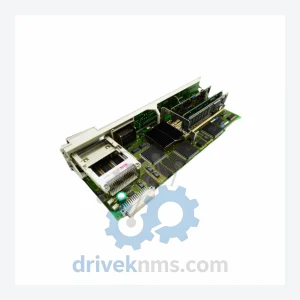
Siemens A5E34736460 Motherboard – Obsolete SIMATIC Spare Part
Siemens A5E34736460 is listed for SIMATIC RFQ review. Confirm quantity, condition and destination before quotation.
RFQ-ready industrial model
Model: A5E00825013
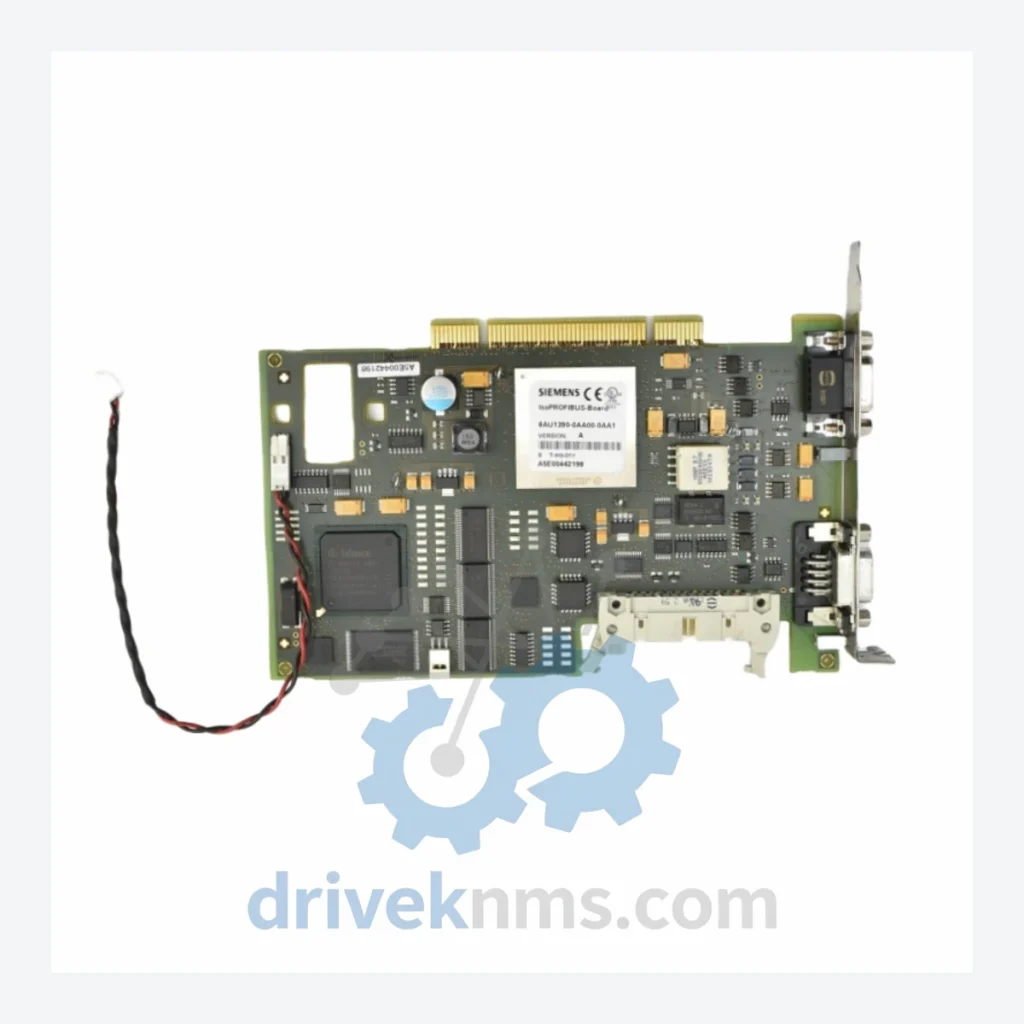
Product Overview
Commercial availability is handled through direct RFQ, model verification and export-oriented follow-up rather than public cart checkout.
Datasheet Preview
Use attached product manuals when available. If the manual is not public yet, request the full file directly through RFQ.
Commercial Path
Product pages on DRIVEKNMS are designed to verify model, brand and series first, then move the buyer into one clean quotation path.
Technical Dossier
DriveKNMS reviews sourcing options for this model through RFQ handling before quotation.
RFQ support for obsolete parts: Send the model number, required quantity and destination so DriveKNMS can confirm sourcing options before quotation.
Q: How are RFQ terms confirmed?
A: Quantity, required condition, documentation needs, destination and sourcing route are confirmed during RFQ review before quotation.
The Siemens SIMATIC platform has been the backbone of process automation across automotive, chemical, food & beverage, and heavy industry for decades. The A5E00825013 motherboard sits at the core of that architecture — it is the component that coordinates communication between the CPU, backplane, and I/O modules. There is no software patch that compensates for its failure. There is no firmware workaround. When it fails, the rack stops.
Facilities that have extended the operational life of their SIMATIC-based systems by 5 to 10 years through targeted spare parts management consistently report the same outcome: the capital expenditure deferred from a premature system replacement funds other operational priorities — safety upgrades, energy efficiency projects, or capacity expansion — without the disruption of a full control system migration.
Step 1 – Visual and Physical Inspection: Full board inspection for mechanical damage, burn marks, cracked solder joints, and pin corrosion. Units with compromised connectors or corroded edge contacts are rejected at this stage.
Step 2 – Electrolytic Capacitor Assessment: Aging electrolytic capacitors are the primary failure mode in boards of this generation. Each capacitor is checked for bulging, leakage, and ESR deviation. Boards with degraded capacitors are either recapped with equivalent-spec components or rejected.
Step 3 – Firmware Version Verification: Where accessible, firmware revision is documented and cross-referenced against known compatible versions for the target system. Mismatched firmware is flagged before dispatch review.
Step 4 – Functional Power-On Test: The board is powered under controlled conditions and monitored for correct initialization behavior, stable voltage rails, and absence of fault codes.
Step 5 – Anti-Static Packaging and Documentation: Passed units are sealed in ESD-safe packaging with a test record. Lot traceability is maintained for all units shipped.
The A5E00825013 is a direct hardware replacement for the original OEM component. No PLC reprogramming is required. No changes to the existing I/O configuration, network addressing, or HMI integration are necessary. The replacement procedure is a physical swap — remove the failed board, install the verified spare, restore power.
Q: How do I know the unit is genuine and not counterfeit?
A: All units are sourced through verified industrial surplus and decommissioning channels. Physical markings, board revision codes, and component configurations are cross-checked against known-good references. Units that do not pass authentication checks are not listed for sale.
Q: Should I buy more than one unit?
A: For any system where the A5E00825013 is a single point of failure, holding a minimum of one cold spare is standard practice. For facilities with multiple identical racks, a ratio of one spare per three installed units is a commonly applied maintenance standard. Given the discontinuation status of this part, availability on the secondary market will decrease over time. Procurement decisions made today carry lower risk and lower cost than procurement decisions made under emergency conditions.
Continue The Model Path
Move from this exact model into the matching system hub, brand archive, model-family archive or lifecycle sourcing route before sending a final RFQ list.
Related Paths
Siemens A5E34736460 is listed for SIMATIC RFQ review. Confirm quantity, condition and destination before quotation.
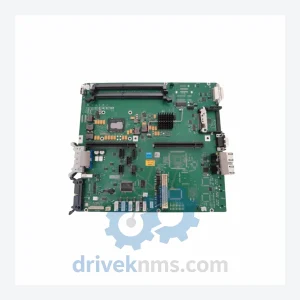
Siemens A5E03383661 is listed for SIMATIC RFQ review. Confirm quantity, condition and destination before quotation.
Siemens MC00160783G01/F01/M01 is listed for SINUMERIK MC Series RFQ review. Confirm quantity, condition and destination before quotation.