
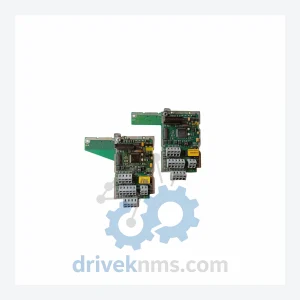
Siemens ULC0065
Siemens ULC0065 is listed for Servo Drives RFQ review. Confirm quantity, condition and destination before quotation.
RFQ-ready industrial model
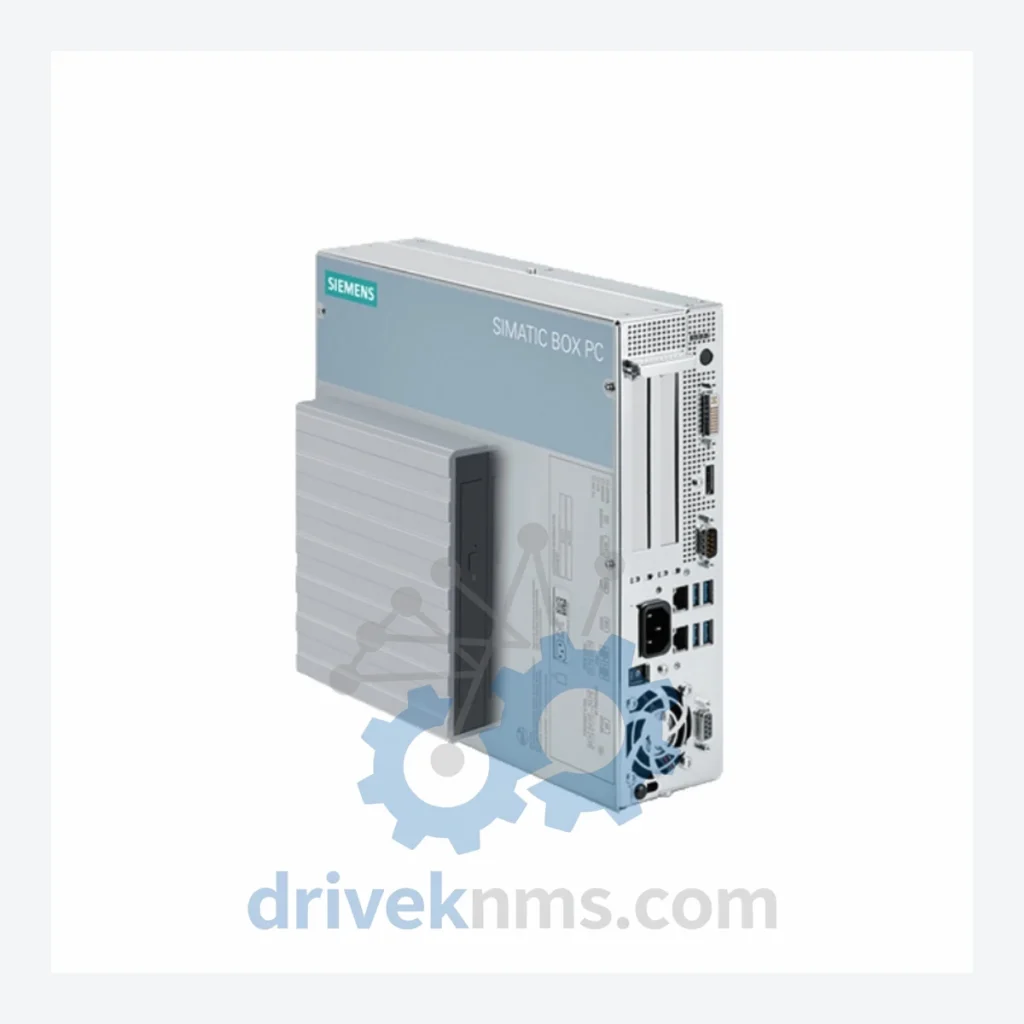
Model: IPC627D 6BK1000-6AA00-0XX0
Product Overview
Commercial availability is handled through direct RFQ, model verification and export-oriented follow-up rather than public cart checkout.
Datasheet Preview
Use attached product manuals when available. If the manual is not public yet, request the full file directly through RFQ.
Commercial Path
Product pages on DRIVEKNMS are designed to verify model, brand and series first, then move the buyer into one clean quotation path.
Technical Dossier
DriveKNMS reviews sourcing options for discontinued components through RFQ handling before quotation.
RFQ support for obsolete parts: Send the model number, required quantity and destination so DriveKNMS can confirm sourcing options before quotation.
| Parameter | Detail |
|---|---|
| Manufacturer | Siemens AG |
| Part Number | 6BK1000-6AA00-0XX0 |
| Model | SIMATIC IPC627D |
| Series | SIMATIC IPC600 |
| Form Factor | 19-inch rack-mount industrial PC |
| Operating System Compatibility | Windows 7 / Windows Embedded Standard 7 (as originally shipped) |
| Lifecycle Status | Discontinued / Obsolete – no longer manufactured by Siemens |
| Country of Origin | Germany |
| Typical Application | SIMATIC WinCC, STEP 7, TIA Portal-based HMI/SCADA stations; process visualization in continuous manufacturing, automotive, and chemical plant environments |
Note: Electrical parameters specific to individual hardware configurations (CPU variant, RAM, storage) vary by sub-order code. Confirmed specifications are provided upon request based on physical unit inspection. No parameters are assumed or fabricated.
The SIMATIC IPC627D was a cornerstone computing platform in Siemens-based automation architectures throughout the 2010s. It served as the primary operator station and data server in installations running SIMATIC WinCC, PCS 7, and STEP 7 environments. Its 19-inch rack form factor, industrial-grade power supply tolerance, and certified driver stack made it the default choice for system integrators building long-lifecycle process control systems in petrochemical, pharmaceutical, and heavy manufacturing sectors.
Siemens has since moved its IPC portfolio forward. The IPC627D is no longer produced, and the supply chain for new units has been closed. Facilities that built their control architecture around this platform now face a binary choice when a unit fails: source a verified replacement from the secondary market, or commit to a full system modernization.
The modernization path is frequently presented as inevitable. In practice, it is rarely the only option. Many SIMATIC IPC627D installations are embedded within larger DCS or SCADA architectures where the IPC itself is not the limiting factor for production performance. The surrounding infrastructure — field instruments, PLCs, network topology, and validated process logic — may have 10 to 15 years of remaining service life. Replacing a functional architecture because one computing node failed is an engineering and financial decision that deserves rigorous scrutiny before commitment.
Sourcing a replacement IPC627D extends the operational window of the entire surrounding system. It preserves validated software configurations, avoids re-qualification costs, and keeps experienced operators working within a familiar environment. For facilities under regulatory oversight — FDA 21 CFR Part 11, ATEX, or similar — maintaining the validated state of an existing system is often preferable to triggering a new validation cycle on modernized hardware.
How to extend your automation asset lifespan by 5–10 years through strategic spare part management:
Discontinued industrial computing hardware requires a different inspection standard than current-production equipment. Age-related failure modes are predictable and addressable when the inspection process is structured correctly. DriveKNMS applies a five-step QA process to all IPC627D units before dispatch:
Condition grade and any identified remediation work are documented and provided with each unit.
Q: Should I purchase more than one unit?
A: For any facility with more than one IPC627D in service, holding a minimum of one spare unit is a defensible operational decision. Secondary market availability of this model decreases over time. Procurement cost today is lower than procurement cost under emergency conditions in 12 to 24 months.
Continue The Model Path
Move from this exact model into the matching system hub, brand archive, model-family archive or lifecycle sourcing route before sending a final RFQ list.
Related Paths
Siemens ULC0065 is listed for Servo Drives RFQ review. Confirm quantity, condition and destination before quotation.
Siemens RW3045-1AB14 is listed for SIRIUS Series RFQ review. Confirm quantity, condition and destination before quotation.
Siemens LDZ10500424.040 is listed for Servo Drives RFQ review. Confirm quantity, condition and destination before quotation.