
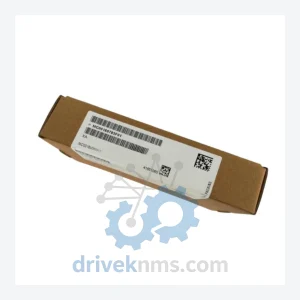
Siemens SINUMERIK MC Series Modules MC00160783G01/F01/M01
Siemens MC00160783G01/F01/M01 is listed for SINUMERIK MC Series RFQ review. Confirm quantity, condition and destination before quotation.
RFQ-ready industrial model
Model: ULTRAMAT 23 7MB2331-0BP00-2CA0
Product Overview
Commercial availability is handled through direct RFQ, model verification and export-oriented follow-up rather than public cart checkout.
Datasheet Preview
Use attached product manuals when available. If the manual is not public yet, request the full file directly through RFQ.
Commercial Path
Product pages on DRIVEKNMS are designed to verify model, brand and series first, then move the buyer into one clean quotation path.
Technical Dossier
DriveKNMS maintains sourced inventory of the ULTRAMAT 23 7MB2331-0BP00-2CA0 through a verified global procurement network. This is not a catalog listing — availability is real and subject to depletion. If your facility depends on this analyzer, the time to secure a spare is before the failure occurs, not after.
RFQ support for obsolete parts: Send the model number, required quantity and destination so DriveKNMS can confirm sourcing options before quotation.
Note: Electrical parameters not independently verified. Buyers should cross-reference against original Siemens documentation (datasheet 7MB2331) prior to installation.
The ULTRAMAT 23 platform was a workhorse of process gas analysis for over two decades. Its NDIR (Non-Dispersive Infrared) measurement principle, combined with Siemens' robust enclosure design, made it the default choice for continuous emissions monitoring (CEMS), combustion control, and process gas purity verification across heavy industry.
When Siemens discontinued the ULTRAMAT 23 line, they did not simultaneously retire the thousands of installations already embedded in operating plants. Those plants now face a structural problem: the OEM will not supply replacement modules, yet the cost of replacing the entire analyzer system — including new field wiring, DCS integration, process validation, and regulatory re-approval — is prohibitive for most maintenance budgets.
The 7MB2331-0BP00-2CA0 specifically is a multi-component variant capable of simultaneous measurement of multiple gas species. Its measurement architecture is deeply integrated into the process control logic of the systems it serves. A direct drop-in replacement from the secondary market is the only path that avoids a full system overhaul. Substituting a different analyzer model requires re-engineering the signal conditioning, recalibrating the process control loops, and in regulated industries, re-submitting for environmental compliance certification — a process that can take 6 to 18 months.
Facilities that have secured spare ULTRAMAT 23 units report extending their existing analyzer infrastructure by 5 to 10 years beyond the OEM's end-of-life date, at a fraction of the cost of system replacement. The arithmetic is straightforward: a sourced spare at market price versus a full system migration measured in engineering months and production risk.
Obsolete parts sourced from the secondary market carry inherent risk. DriveKNMS applies a structured 5-step QA protocol to every ULTRAMAT 23 unit before it is offered for sale:
Units are shipped with full documentation of QA findings. No unit is represented as new unless it is confirmed factory-sealed with original Siemens packaging intact.
Q: How is condition confirmed before quotation?
A: Available condition, photos, test records and documentation are checked according to the requested model and sourcing channel before a formal RFQ response.
Q: How do I know the unit is genuine Siemens and not a counterfeit?
A: All units are sourced through traceable supply channels. Siemens part number labels, serial number plates, and manufacturing date codes are inspected and documented. We do not source from unverified brokers. Buyers may request pre-shipment photo documentation of the unit's identification markings.
Q: How are RFQ terms confirmed?
A: Quantity, required condition, documentation needs, destination and sourcing route are confirmed during RFQ review before quotation.
Continue The Model Path
Move from this exact model into the matching system hub, brand archive, model-family archive or lifecycle sourcing route before sending a final RFQ list.
Related Paths
Siemens MC00160783G01/F01/M01 is listed for SINUMERIK MC Series RFQ review. Confirm quantity, condition and destination before quotation.
Siemens QRI2B2.B180B1 is listed for Monitoring Systems RFQ review. Confirm quantity, condition and destination before quotation.
Siemens 6ES7414-4HL04-0AB0 is listed for S7-400 RFQ review. Confirm quantity, condition and destination before quotation.