
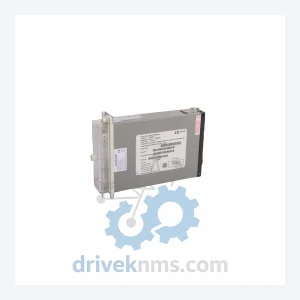
ALSTOM MVAJ105RA0802A Protection Relay – MiCOM Series
Alstom MVAJ105RA0802A is listed for MiCOM Series RFQ review. Confirm quantity, condition and destination before quotation.
RFQ-ready industrial model
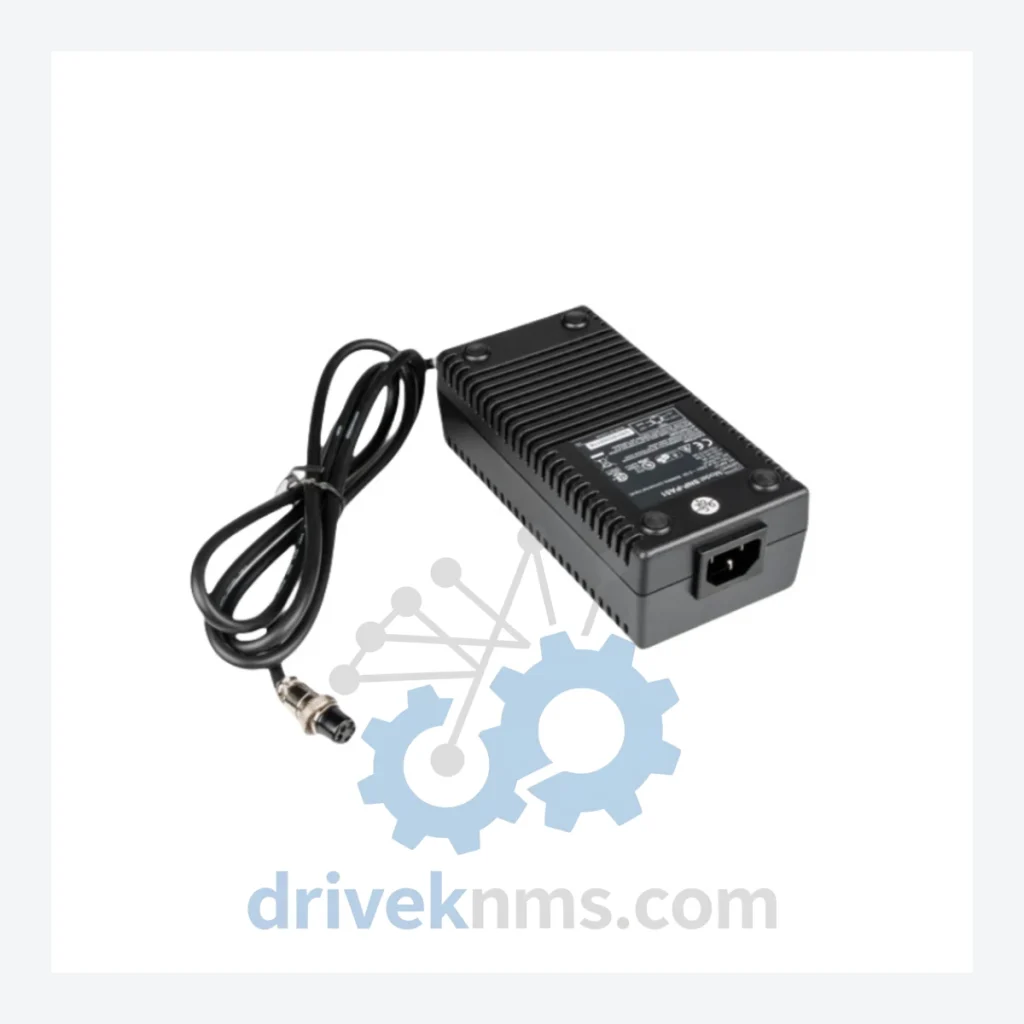
Model: SNP-PA51
Product Overview
Commercial availability is handled through direct RFQ, model verification and export-oriented follow-up rather than public cart checkout.
Datasheet Preview
Use attached product manuals when available. If the manual is not public yet, request the full file directly through RFQ.
Commercial Path
Product pages on DRIVEKNMS are designed to verify model, brand and series first, then move the buyer into one clean quotation path.
Technical Dossier
Note: Electrical parameters (input voltage range, output voltage/current ratings, power wattage) are confirmed at time of inspection. Specifications are provided upon request with unit serial number verification. No parameters are published here without physical confirmation to protect equipment safety.
The SNP-PA51 was designed for integration into Skynet's SNP-series modular control platforms — systems that were engineered for long service cycles and remain operational in manufacturing, building automation, and process control environments today. When Skynet discontinued this power supply line, it created a hard dependency problem: the mechanical and electrical form factor of the SNP-PA51 is specific enough that no modern off-the-shelf unit installs without modification to the backplane, wiring harness, or firmware configuration.
For a plant manager facing a failed SNP-PA51, the realistic options are three: source an original replacement unit, commission a custom engineering retrofit, or accept a full system replacement. The engineering retrofit path typically requires weeks of design work, custom fabrication, and re-commissioning — with no guarantee of regulatory compliance continuity. Full system replacement compounds that with retraining, new software licensing, and production validation cycles that can stretch six to twelve months.
Sourcing an original SNP-PA51 from a verified supplier collapses that decision tree to a single, low-cost action. It preserves the existing validated configuration, keeps the maintenance team working within their competency, and defers capital expenditure to a planned budget cycle rather than an emergency one. For assets with five to ten years of remaining productive life, this is not a workaround — it is the operationally correct decision.
Obsolete power supply units sourced from secondary markets carry real failure risks if they are not properly evaluated before installation. DriveKNMS applies a structured five-step inspection protocol to every SNP-PA51 unit before it leaves our facility:
Step 1 – Electrolytic Capacitor Assessment: Capacitor aging is the primary failure mode in stored power supply modules. Each unit undergoes visual inspection and ESR (Equivalent Series Resistance) measurement to identify degraded capacitors before they cause field failures.
Step 2 – Firmware Version Verification: Where applicable, firmware or embedded configuration is checked against known-good version records to confirm compatibility with target system revisions.
Step 3 – Pin and Connector Corrosion Inspection: All connector pins, edge contacts, and terminal blocks are inspected under magnification for oxidation, pitting, or mechanical deformation. Affected contacts are treated or the unit is rejected.
Step 4 – Functional Power-On Test: Units are bench-tested under load conditions representative of their rated output. Output voltage stability, ripple, and protection circuit response are verified.
Step 5 – Documentation and Traceability: Each unit is logged with inspection date, technician ID, and test results. This record accompanies the shipment and supports your internal maintenance documentation requirements.
This matters because the alternative — an engineered substitute — introduces variables that a validated production environment cannot absorb without a formal change control process. Using an original replacement unit keeps the system configuration frozen, preserves any existing safety certifications tied to the hardware bill of materials, and eliminates the engineering cost of a deviation justification. For facilities operating under ISO, GMP, or similar quality frameworks, this distinction is not administrative — it is a compliance requirement.
Continue The Model Path
Move from this exact model into the matching system hub, brand archive, model-family archive or lifecycle sourcing route before sending a final RFQ list.
Related Paths
Alstom MVAJ105RA0802A is listed for MiCOM Series RFQ review. Confirm quantity, condition and destination before quotation.
Moore 16137-174 is listed for Servo Drives RFQ review. Confirm quantity, condition and destination before quotation.
Fuji Electric EP-3364B-CA-Z2 is listed for FRENIC Series RFQ review. Confirm quantity, condition and destination before quotation.