
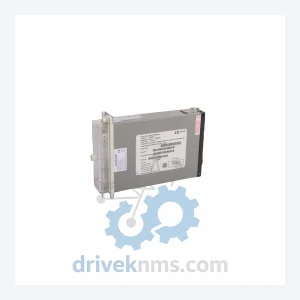
ALSTOM MVAJ105RA0802A Protection Relay – MiCOM Series
Alstom MVAJ105RA0802A is listed for MiCOM Series RFQ review. Confirm quantity, condition and destination before quotation.
RFQ-ready industrial model
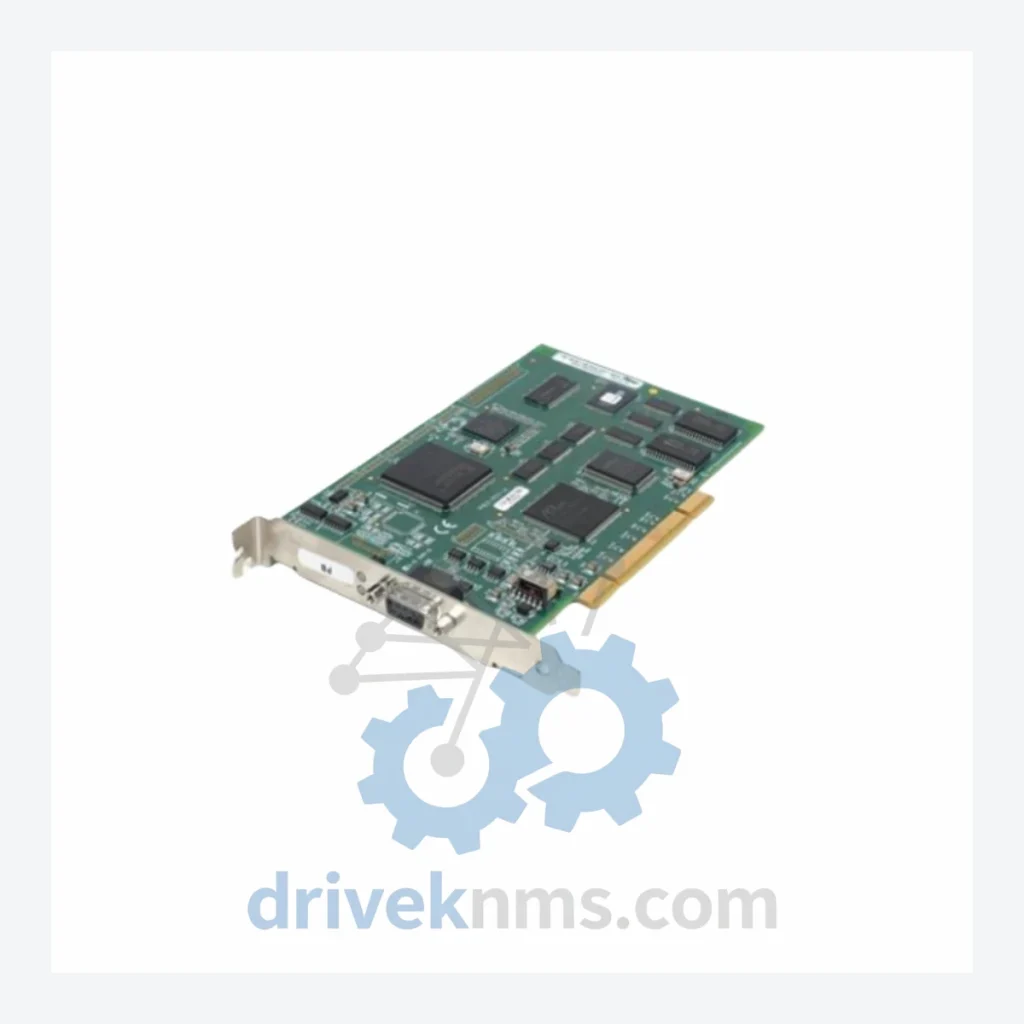
Model: PB3-PCI-e PB3-PCU
Product Overview
Commercial availability is handled through direct RFQ, model verification and export-oriented follow-up rather than public cart checkout.
Datasheet Preview
Use attached product manuals when available. If the manual is not public yet, request the full file directly through RFQ.
Commercial Path
Product pages on DRIVEKNMS are designed to verify model, brand and series first, then move the buyer into one clean quotation path.
Technical Dossier
RFQ support for obsolete parts: Send the model number, required quantity and destination so DriveKNMS can confirm sourcing options before quotation.
| Parameter | Detail |
|---|---|
| Manufacturer | SST (Woodhead / Molex SST) |
| Part Numbers | PB3-PCI-e / PB3-PCU |
| Product Series | SST PB3 Series |
| Function | PROFIBUS DP Master / Slave Interface Card |
| Bus Interface | PCI Express (PB3-PCI-e) / PCI (PB3-PCU) |
| Protocol | PROFIBUS DP (EN 50170 / IEC 61158) |
| Discontinuation Status | Confirmed Discontinued – No longer manufactured or supported by OEM |
| Country of Origin | United States |
| Compatibility | Windows-based SCADA/DCS host PCs; compatible with SST OPC Server and legacy driver stack |
The SST PB3 series was widely deployed throughout the 2000s and early 2010s as the standard PROFIBUS master interface for PC-based control stations. These cards are embedded in control room workstations running Wonderware InTouch, Citect SCADA, and similar HMI platforms that communicate with field devices — drives, valves, transmitters — over PROFIBUS DP segments. The card is not a peripheral. It is the physical and logical gateway between the supervisory layer and the field network.
This card is commonly found in systems paired with Siemens S5 and early S7 PLCs, older Allen-Bradley ControlLogix configurations with PROFIBUS scanner modules, and GE Fanuc Series 90 installations where PROFIBUS DP was the chosen fieldbus. If your facility runs any of these architectures, maintaining a cold-standby PB3 card is a defensible asset protection measure, not an optional spare.
Sourcing discontinued industrial hardware carries inherent risk. DriveKNMS applies a structured 5-step quality process to every PB3-PCI-e and PB3-PCU unit before it leaves our facility:
Q: How do I confirm the unit is genuine and not a counterfeit?
A: All units are sourced through documented supply channels. Board markings, OEM labels, and firmware version are verified and disclosed prior to shipment. We do not sell remarked or rebranded units. Customers may request pre-shipment photos and firmware documentation.
Q: Can this card work with my current SST OPC Server version?
A: Compatibility depends on the firmware version of the card and the version of the SST OPC Server or driver installed on the host. DriveKNMS will disclose the firmware version of the specific unit prior to shipment. We recommend customers confirm compatibility with their IT/controls team before purchase.
Continue The Model Path
Move from this exact model into the matching system hub, brand archive, model-family archive or lifecycle sourcing route before sending a final RFQ list.
Related Paths
Alstom MVAJ105RA0802A is listed for MiCOM Series RFQ review. Confirm quantity, condition and destination before quotation.
Moore 16137-174 is listed for Servo Drives RFQ review. Confirm quantity, condition and destination before quotation.
Fuji Electric EP-3364B-CA-Z2 is listed for FRENIC Series RFQ review. Confirm quantity, condition and destination before quotation.