
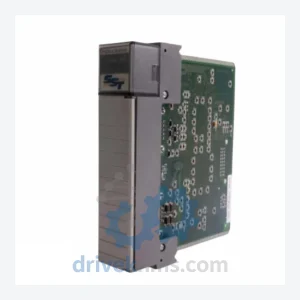
SST SST-PFB-SLC Profibus Scanner Module – Obsolete PFB Series Spare Part
SST (Woodhead / Molex) SST-PFB-SLC is listed for Communication Modules RFQ review. Confirm quantity, condition and destination before quotation.
RFQ-ready industrial model
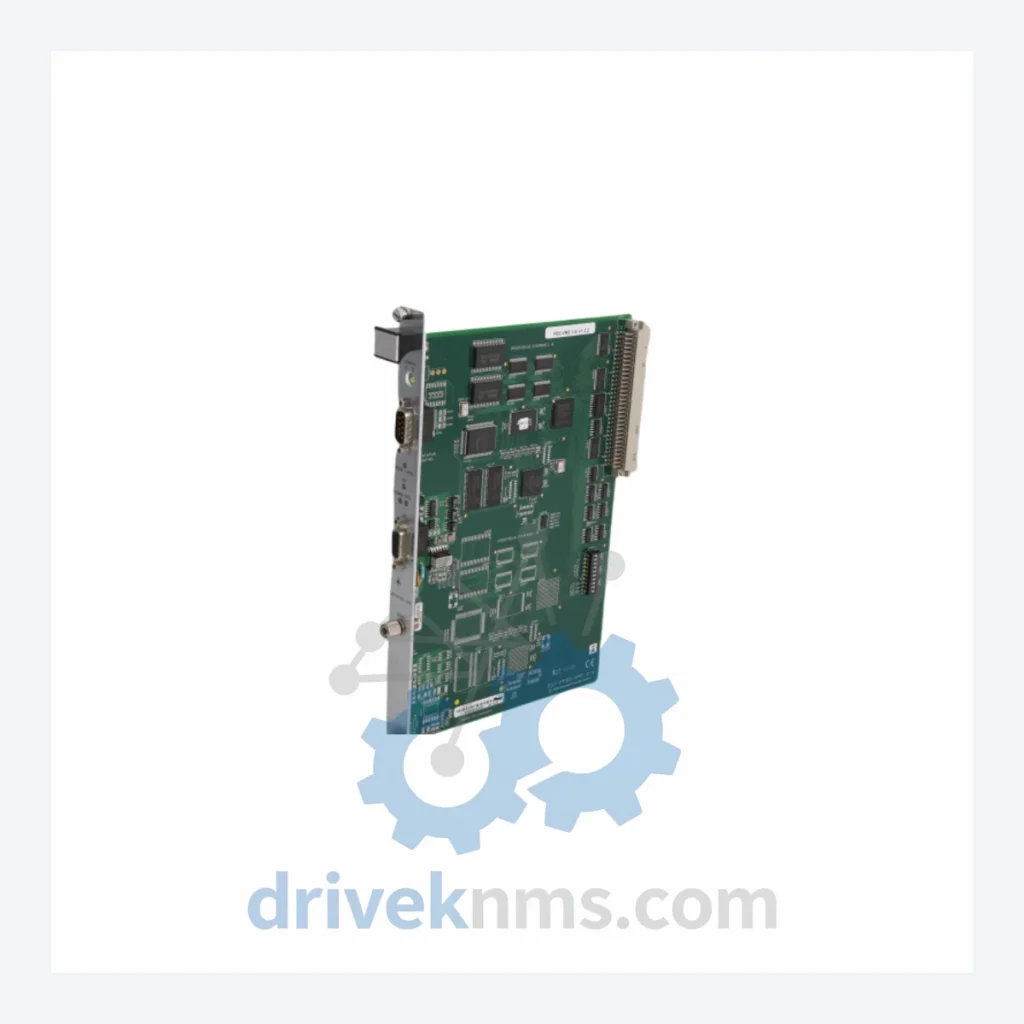
Model: SST-PB3-VME-1-E
Product Overview
Commercial availability is handled through direct RFQ, model verification and export-oriented follow-up rather than public cart checkout.
Datasheet Preview
Use attached product manuals when available. If the manual is not public yet, request the full file directly through RFQ.
Commercial Path
Product pages on DRIVEKNMS are designed to verify model, brand and series first, then move the buyer into one clean quotation path.
Technical Dossier
RFQ support for obsolete parts: Send the model number, required quantity and destination so DriveKNMS can confirm sourcing options before quotation.
| Part Number | SST-PB3-VME-1-E |
| Manufacturer | SST (Woodhead Industries / Molex) |
| Form Factor | VMEbus (6U) |
| Protocol | PROFIBUS-DP (Master/Slave) |
| Bus Interface | VME64 / VME32 |
| Country of Origin | United States |
| Product Status | Discontinued / Obsolete – No longer manufactured |
| Typical System Compatibility | VME-chassis based DCS and PLC platforms utilizing PROFIBUS-DP fieldbus networks |
The SST-PB3-VME-1-E was a standard PROFIBUS-DP master/slave interface for VMEbus-based control systems — a form factor that dominated industrial automation infrastructure throughout the 1990s and 2000s. Many of these systems remain in active production service today, not because operators are unaware of their age, but because the cost and risk of replacement outweigh the cost of maintenance.
How to extend your VME-based automation asset life by 5–10 years:
Obsolete industrial boards sourced from the secondary market carry inherent risk if not properly evaluated. DriveKNMS applies a structured 5-step inspection protocol to all discontinued hardware before dispatch review:
Q: How should we approach long-term spare parts planning for discontinued VME hardware?
A: Identify every VME board in your system that is no longer in production. Prioritize by criticality — boards on the critical path of production with no software-based redundancy should be stocked at a minimum 1:1 ratio (one spare per installed unit). For boards controlling safety-critical loops, a 2:1 ratio is a defensible standard. Purchase decisions should be made now, while secondary market availability exists.
Q: Can you source multiple units?
A: Inquire directly. Availability of obsolete hardware is inventory-specific and changes without notice. Multi-unit requirements should be communicated early to allow sourcing across multiple verified channels.
Continue The Model Path
Move from this exact model into the matching system hub, brand archive, model-family archive or lifecycle sourcing route before sending a final RFQ list.
Related Paths
SST (Woodhead / Molex) SST-PFB-SLC is listed for Communication Modules RFQ review. Confirm quantity, condition and destination before quotation.
SST (Woodhead / Molex) 5136-PBMS-ISA is listed for Communication Modules RFQ review. Confirm quantity, condition and destination before quotation.
SST (Woodhead / Molex) SST-PB3-PCU is listed for Communication Modules RFQ review. Confirm quantity, condition and destination before quotation.