
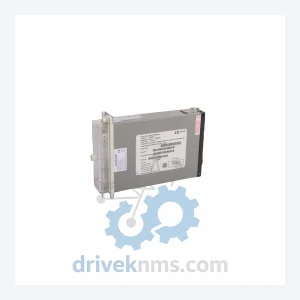
ALSTOM MVAJ105RA0802A Protection Relay – MiCOM Series
Alstom MVAJ105RA0802A is listed for MiCOM Series RFQ review. Confirm quantity, condition and destination before quotation.
RFQ-ready industrial model
Model: KXL06075V-C2-S40 VIF-AA1C1 VIF-AA1C1/PB30-2 0100-09366
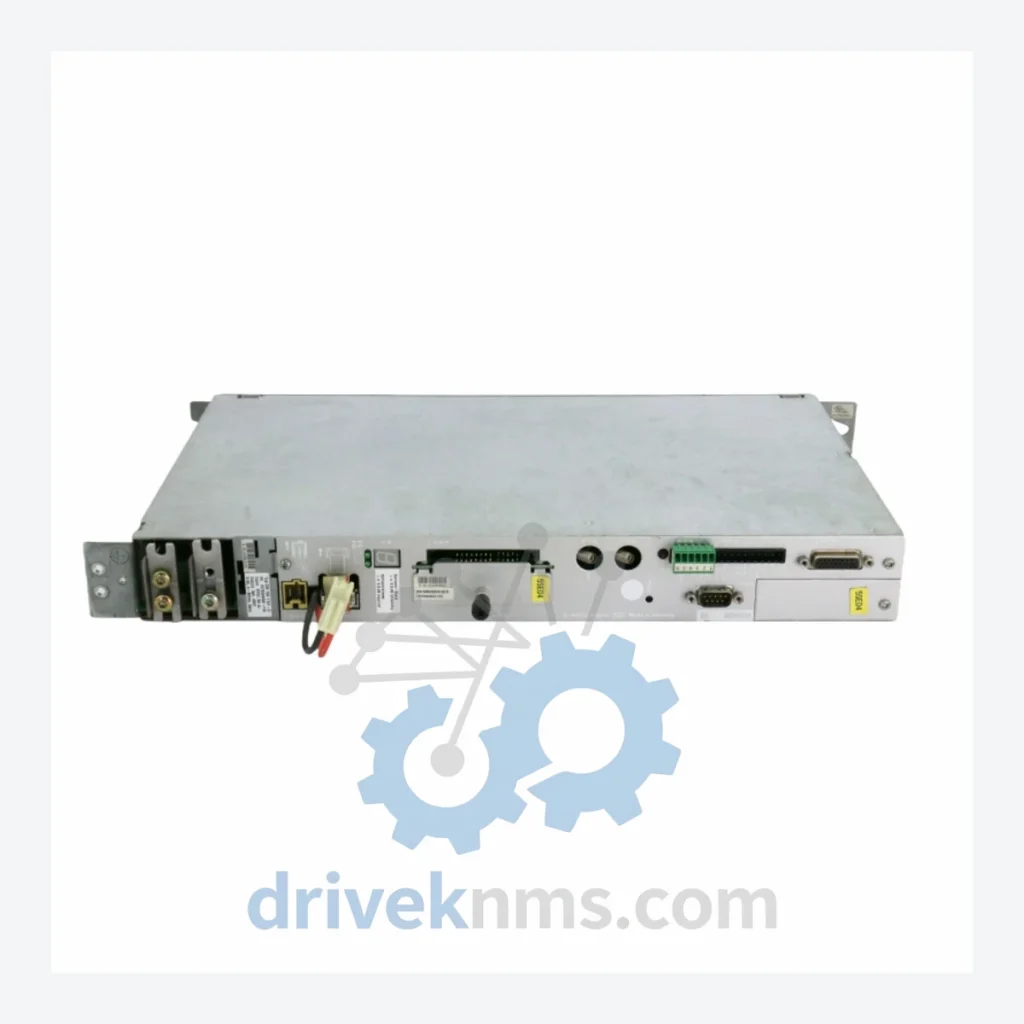
Product Overview
Commercial availability is handled through direct RFQ, model verification and export-oriented follow-up rather than public cart checkout.
Datasheet Preview
Use attached product manuals when available. If the manual is not public yet, request the full file directly through RFQ.
Commercial Path
Product pages on DRIVEKNMS are designed to verify model, brand and series first, then move the buyer into one clean quotation path.
Technical Dossier
RFQ support for obsolete parts: Send the model number, required quantity and destination so DriveKNMS can confirm sourcing options before quotation.
Note: Electrical and dimensional parameters beyond the above are not published for this legacy part number. DriveKNMS does not fabricate specifications. Buyers requiring detailed drawings should contact our technical team directly.
SURUGA SEIKI's KXL-series linear guides were widely integrated into Japanese and Taiwanese-manufactured precision automation platforms throughout the 1990s and 2000s — including XY motorized stages used in semiconductor inspection, laser processing, and optical metrology equipment. These platforms were engineered around specific guide rail geometries, carriage preload classes, and mounting interfaces that are not interchangeable with current-generation products from THK, NSK, or IKO without mechanical rework.
When the OEM discontinues a guide of this specification, the facility faces a binary choice: source the original part, or fund a full mechanical redesign. The redesign path — accounting for engineering labor, fixture modification, re-qualification testing, and production loss during transition — typically costs 20 to 80 times the value of the original spare part. For facilities managing 10 to 50 such legacy stations, the aggregate exposure is material.
DriveKNMS operates specifically within this gap. We source, inspect, and hold physical inventory of discontinued precision motion components so that plant engineers and maintenance managers can execute a direct replacement without triggering a capital project.
The most cost-effective strategy for facilities operating legacy precision automation is not replacement — it is structured asset protection through targeted spare parts inventory. The following approach has been applied successfully across semiconductor fabs, PCB assembly lines, and optical manufacturing facilities:
1. Criticality mapping: Identify every motion axis on your legacy platforms that relies on a discontinued guide or actuator. Rank by production impact — a failed guide on a single-axis inspection stage carries different risk than one on a multi-axis bonding platform.
3. Controlled storage: Precision linear guides are sensitive to humidity, particulate contamination, and improper lubrication during storage. Store in original packaging or sealed anti-static bags, in a climate-controlled environment. Inspect and re-lubricate annually if stored beyond 24 months.
4. Supplier qualification: Not all surplus channels maintain traceability. Require documentation of source, inspection records, and condition grading before accepting any discontinued precision component into your maintenance inventory.
Facilities that implement this framework consistently extend the productive life of precision automation assets by 5 to 10 years beyond the OEM's support window, deferring capital expenditure on replacement platforms until it is strategically appropriate rather than operationally forced.
Every discontinued precision motion component processed by DriveKNMS passes a structured 5-step inspection protocol before it is offered for sale:
Step 1 – Visual and mechanical inspection: Rail surface, carriage body, and end caps are examined for corrosion, impact damage, and seal integrity. Units with visible rail scoring or carriage deformation are rejected.
Step 2 – Pin and interface inspection: Mounting holes, dowel pin bores, and mating surfaces are checked for thread damage and dimensional integrity. Corroded or deformed interfaces are flagged and not offered as drop-in replacements.
Step 4 – Lubrication assessment: Original grease condition is assessed. Units requiring re-lubrication are serviced with compatible grease prior to packaging. Dry or contaminated lubrication is treated as a disqualifying condition for NOS classification.
Step 5 – Packaging and traceability: Accepted units are repackaged in sealed protective packaging with an inspection tag noting condition grade, inspection date, and technician reference. Source documentation is retained on file.
The KXL06075V-C2-S40 is a direct mechanical replacement for the original installed unit in compatible SURUGA SEIKI stages. No reprogramming is required. No controller reconfiguration is involved. The replacement procedure is a mechanical swap — remove the failed carriage assembly, install the replacement, re-lubricate per OEM specification, and return the axis to service.
Q: Should I buy more than one unit?
A: For any platform where this guide is a single point of failure, holding a minimum of two units is the standard recommendation. Given that this part is discontinued and our inventory is finite, procurement decisions should be made based on your platform count and planned operational horizon — not on immediate need alone.
Continue The Model Path
Move from this exact model into the matching system hub, brand archive, model-family archive or lifecycle sourcing route before sending a final RFQ list.
Related Paths
Alstom MVAJ105RA0802A is listed for MiCOM Series RFQ review. Confirm quantity, condition and destination before quotation.
Moore 16137-174 is listed for Servo Drives RFQ review. Confirm quantity, condition and destination before quotation.
Fuji Electric EP-3364B-CA-Z2 is listed for FRENIC Series RFQ review. Confirm quantity, condition and destination before quotation.