
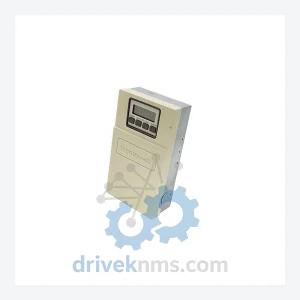
Honeywell T775E1056 Process Controller – T775 Series
Honeywell T775E1056 is listed for T775 Series RFQ review. Confirm quantity, condition and destination before quotation.
RFQ-ready industrial model
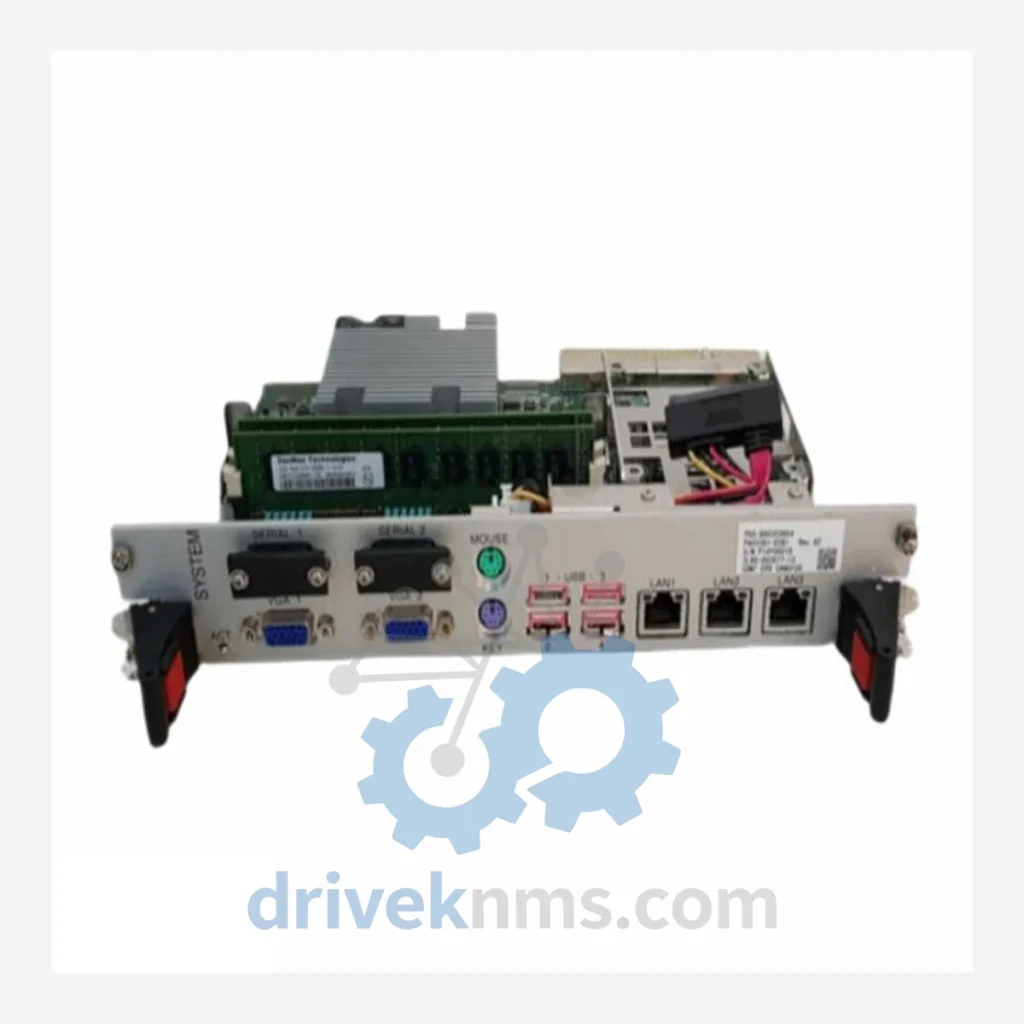
Model: PDS-BX02E0954 PA03381-B391
Product Overview
Commercial availability is handled through direct RFQ, model verification and export-oriented follow-up rather than public cart checkout.
Datasheet Preview
Use attached product manuals when available. If the manual is not public yet, request the full file directly through RFQ.
Commercial Path
Product pages on DRIVEKNMS are designed to verify model, brand and series first, then move the buyer into one clean quotation path.
Technical Dossier
The Honeywell TDC 3000 (Total Distributed Control) platform is one of the most widely deployed Distributed Control Systems in global heavy industry. Installed across petrochemical complexes, nuclear power facilities, crude oil refineries, pulp and paper mills, and large-scale chemical processing plants, the TDC 3000 architecture has maintained a continuous operational presence since its commercial introduction in the late 1970s. Its modular backplane design, deterministic scan cycle, and redundant highway communication structure made it the reference standard for process automation in critical infrastructure for over three decades. The PDS-BX02E0954 chassis paired with the PA03381-B391 controller board represents a core compute and I/O coordination assembly within this platform, responsible for scan execution, data highway arbitration, and module-level diagnostics.
The TDC 3000 platform evolved through three distinct architectural generations. The original Local Control Network (LCN) introduced in 1983 established the peer-to-peer token-passing highway that became the backbone of all subsequent revisions. The second generation, introduced in the late 1980s, added the Universal Control Network (UCN) and Application Module (AM) architecture, enabling higher-level supervisory logic and historian integration. The third generation, coinciding with the Experion PKS transition in the early 2000s, introduced server-based operator stations while retaining backward compatibility with legacy LCN and UCN hardware — a critical design decision that extended the operational life of installed TDC 3000 hardware by an additional 15–20 years.
Compatibility constraints are significant: LCN modules operate at 5 Mbps token-ring speed and are not electrically interchangeable with UCN modules. Backplane variants (PDS-BX series) are chassis-specific; module slot assignments are fixed by firmware revision. Mixing firmware generations within a single chassis without a controlled upgrade procedure will cause scan failures and potential process upsets.
Controllers & Processors
Analog I/O Modules
Digital I/O Modules
Communication & Gateway Modules
Power Supply Modules
Honeywell formally transitioned TDC 3000 hardware to end-of-life status in phases between 2010 and 2020, with the final LCN module production runs completed by 2018. However, the installed base remains substantial: thousands of TDC 3000 systems continue to operate in refineries and chemical plants where the cost and risk of a full DCS migration outweigh the operational benefits. This creates a sustained demand for tested, traceable spare parts that OEM channels no longer supply.
DriveKNMS maintains a dedicated inventory of TDC 3000 modules sourced from decommissioned plant assets, controlled warehouse environments, and verified surplus channels. Each unit undergoes traceability documentation to confirm original manufacture provenance. For obsolete assemblies such as the PDS-BX02E0954 / PA03381-B391 controller set, DriveKNMS provides lifecycle extension support including cross-reference identification, firmware revision matching, and compatibility verification against the target chassis revision level.
TDC 3000 modules present specific test challenges due to their proprietary backplane bus protocol and token-ring highway communication. Standard bench power-up is insufficient to validate module functionality; full operational testing requires a live LCN segment or a dedicated test chassis configured to simulate highway traffic.
DriveKNMS employs a multi-stage test protocol for TDC 3000 inventory: (1) visual inspection for backplane connector wear, capacitor condition, and PCB contamination; (2) powered bench test with voltage rail verification across all internal supply rails; (3) functional test within a live LCN test chassis, confirming module registration, scan participation, and data highway communication; (4) burn-in cycle of minimum 48 hours under simulated load conditions to screen for latent component failures. Controller modules such as the PA03381-B391 additionally undergo firmware revision verification and memory integrity checks before release.
Continue The Model Path
Move from this exact model into the matching system hub, brand archive, model-family archive or lifecycle sourcing route before sending a final RFQ list.
Related Paths
Honeywell T775E1056 is listed for T775 Series RFQ review. Confirm quantity, condition and destination before quotation.
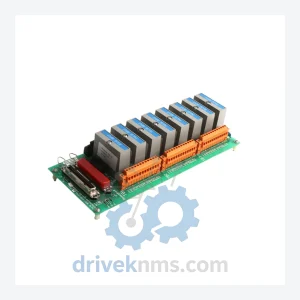
Honeywell MC-TPIX12 51304084-175 is listed for Series TotalPlant RFQ review. Confirm quantity, condition and destination before quotation.
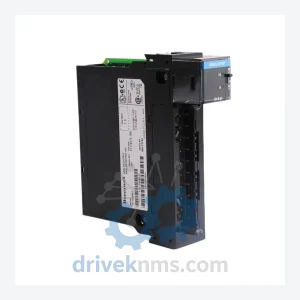
Honeywell TK-OAV061 is listed for PLC Modules RFQ review. Confirm quantity, condition and destination before quotation.