
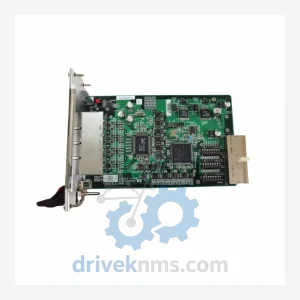
TEL E2B202-11/HVB E281-000039-13 Control Card – HVB Series
Tel E2B202-11/HVB E281-000039-13 is listed for HVB Series RFQ review. Confirm quantity, condition and destination before quotation.
RFQ-ready industrial model
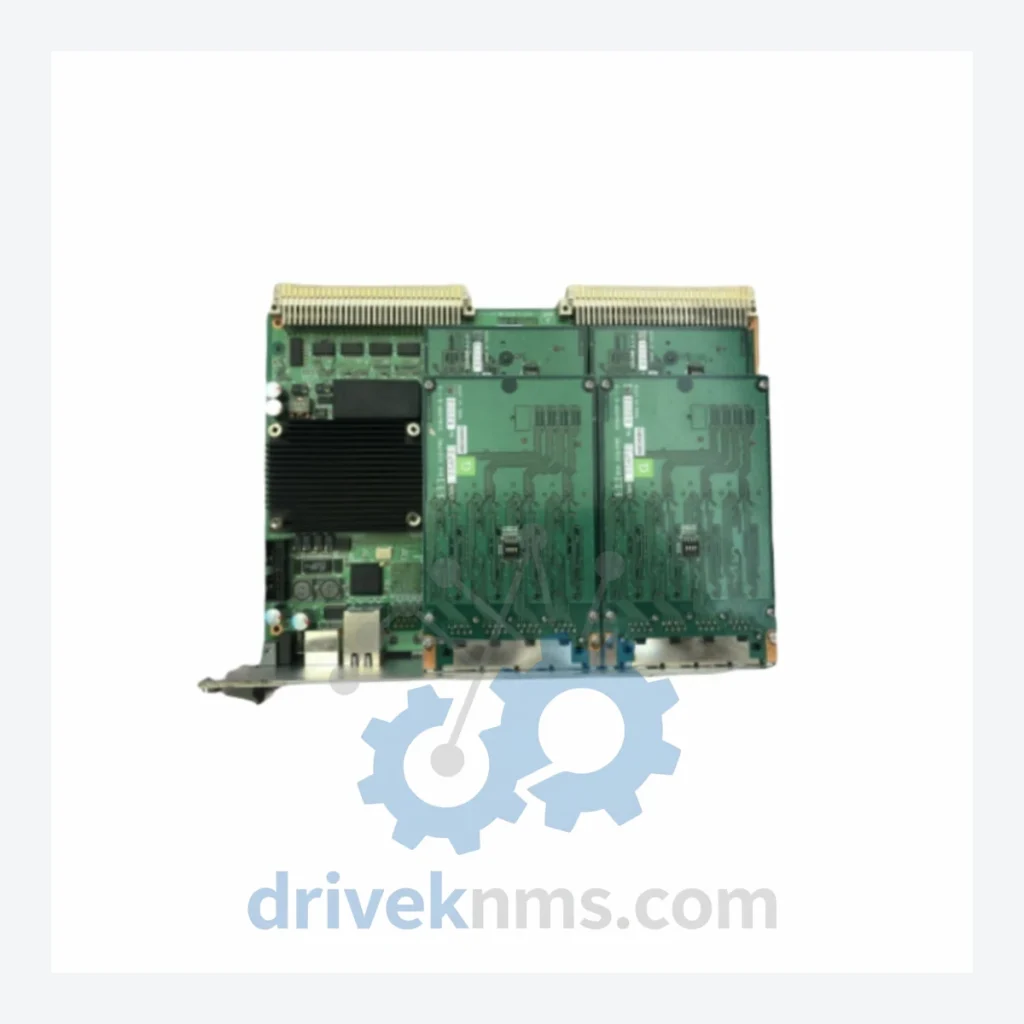
Model: E2B107/CPPC E2B107-11/CPPC E208-000044-11
Product Overview
Commercial availability is handled through direct RFQ, model verification and export-oriented follow-up rather than public cart checkout.
Datasheet Preview
Use attached product manuals when available. If the manual is not public yet, request the full file directly through RFQ.
Commercial Path
Product pages on DRIVEKNMS are designed to verify model, brand and series first, then move the buyer into one clean quotation path.
Technical Dossier
DriveKNMS maintains sourced inventory of hard-to-find industrial control components. This listing represents a genuine opportunity to secure a replacement before the window closes.
RFQ support for obsolete parts: Send the model number, required quantity and destination so DriveKNMS can confirm sourcing options before quotation.
| Part Number | E2B107 / CPPC E2B107-11 / CPPC E208-000044-11 |
|---|---|
| Manufacturer | TEL (Tokyo Electron Limited) |
| Component Type | Control Board / PCB Assembly |
| Series | CPPC |
| Country of Origin | Japan |
| Discontinuation Status | Discontinued – No longer in active production |
| Typical System Compatibility | TEL legacy semiconductor processing equipment (CPPC platform) |
The TEL CPPC platform was deployed extensively in semiconductor wafer processing systems during its production lifecycle. These systems were engineered for long operational lives, and many remain in active service today — not because replacement is impossible, but because the cost and disruption of full system retirement is prohibitive.
The E2B107/CPPC E2B107-11 control board sits at the core of the CPPC control architecture. Its failure does not degrade performance gradually — it stops the system. There is no software patch, no firmware workaround, and no cross-compatible substitute from current-generation hardware without a full platform migration.
For plant managers operating under capital expenditure constraints, the calculus is straightforward: a verified replacement board at a fraction of the cost of system retirement preserves production capacity, protects existing process qualifications, and defers a multi-million-dollar infrastructure decision by years. The strategic value of a single spare unit in this context is not measured by its purchase price.
How to Extend Expensive Automation Assets by 5–10 Years Through Critical Spare Parts
Legacy automation systems — particularly those built on platforms like TEL CPPC, Honeywell TDC3000, or ABB MasterPiece — represent decades of process tuning, operator familiarity, and validated production data. Retiring them prematurely is rarely a technical necessity; it is almost always a supply chain failure. The following maintenance posture has been applied successfully by facilities that have extended asset life well beyond original design expectations:
1. Identify single-point-of-failure components. Control boards, communication modules, and power supply units with no current-generation equivalents are the highest-risk items. Catalog them by system criticality, not by age alone.
4. Document firmware and configuration states. Before any board swap, capture the current firmware version and all configuration parameters. For legacy TEL systems, this documentation is often the only recovery path if a replacement board requires initialization.
5. Engage specialist distributors with traceability standards. Not all surplus inventory is equal. Components sourced without chain-of-custody documentation introduce failure risk that can exceed the cost of the original problem. Verify supplier QA protocols before purchase.
Obsolete control boards sourced from the secondary market carry inherent risk if not properly evaluated. DriveKNMS applies a structured 5-step inspection protocol to all legacy PCB assemblies before they are listed or shipped:
Step 1 – Electrolytic Capacitor Assessment: Capacitor aging is the primary failure mode in boards of this generation. Each unit is inspected for bulging, leakage, and ESR deviation. Boards with compromised capacitors are either recapped by qualified technicians or removed from inventory.
Step 2 – Firmware Version Verification: Where accessible, firmware revision is documented and cross-referenced against known system compatibility requirements. Customers are advised of the firmware state prior to shipment.
Step 3 – Pin and Connector Corrosion Inspection: All edge connectors, header pins, and solder joints are examined under magnification for oxidation, cold joints, and mechanical damage. Affected contacts are cleaned or the unit is rejected.
Step 4 – Functional Bench Test (where applicable): Units that can be powered in isolation are tested for basic operational response. Results are documented and provided with the shipment.
Step 5 – Packaging for Long-Term Integrity: All boards are shipped in anti-static packaging with desiccant. Units intended for long-term storage are vacuum-sealed.
The E2B107/CPPC E2B107-11 is a direct hardware replacement for the original board position within compatible TEL CPPC systems. No hardware redesign is required. No new engineering drawings are needed. The replacement board installs into the existing slot, connects to the existing wiring harness, and — subject to firmware compatibility — resumes operation without reprogramming the surrounding system architecture.
This drop-in replacement capability is the core economic argument for sourcing this part rather than initiating a system migration. Engineering hours for a migration project are measured in months. A board swap is measured in hours. The difference in cost and production disruption is not marginal — it is structural.
For facilities operating multiple TEL CPPC systems, a single spare board can serve as insurance across the entire installed base, further compressing the cost-per-system-protected metric.
Q: Should I buy more than one unit?
A: For any system where this board is a single point of failure and no current-generation replacement exists, holding at least one additional unit is a defensible risk management position. If you operate multiple TEL CPPC systems, we recommend discussing a small-lot purchase to cover your installed base. Inventory of this part is finite and will not be replenished from the manufacturer.
Continue The Model Path
Move from this exact model into the matching system hub, brand archive, model-family archive or lifecycle sourcing route before sending a final RFQ list.
Related Paths
Tel E2B202-11/HVB E281-000039-13 is listed for HVB Series RFQ review. Confirm quantity, condition and destination before quotation.
Alstom MVAJ105RA0802A is listed for MiCOM Series RFQ review. Confirm quantity, condition and destination before quotation.
Moore 16137-174 is listed for Servo Drives RFQ review. Confirm quantity, condition and destination before quotation.