
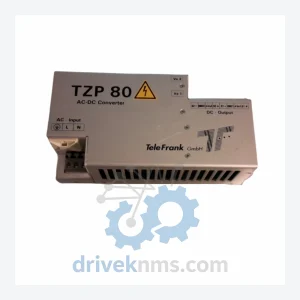
TeleFrank TZP80-2405/S AC/DC Power Supply – TZP Series
Telefrank TZP80-2405/S AC-DC is listed for TZP Series RFQ review. Confirm quantity, condition and destination before quotation.
RFQ-ready industrial model
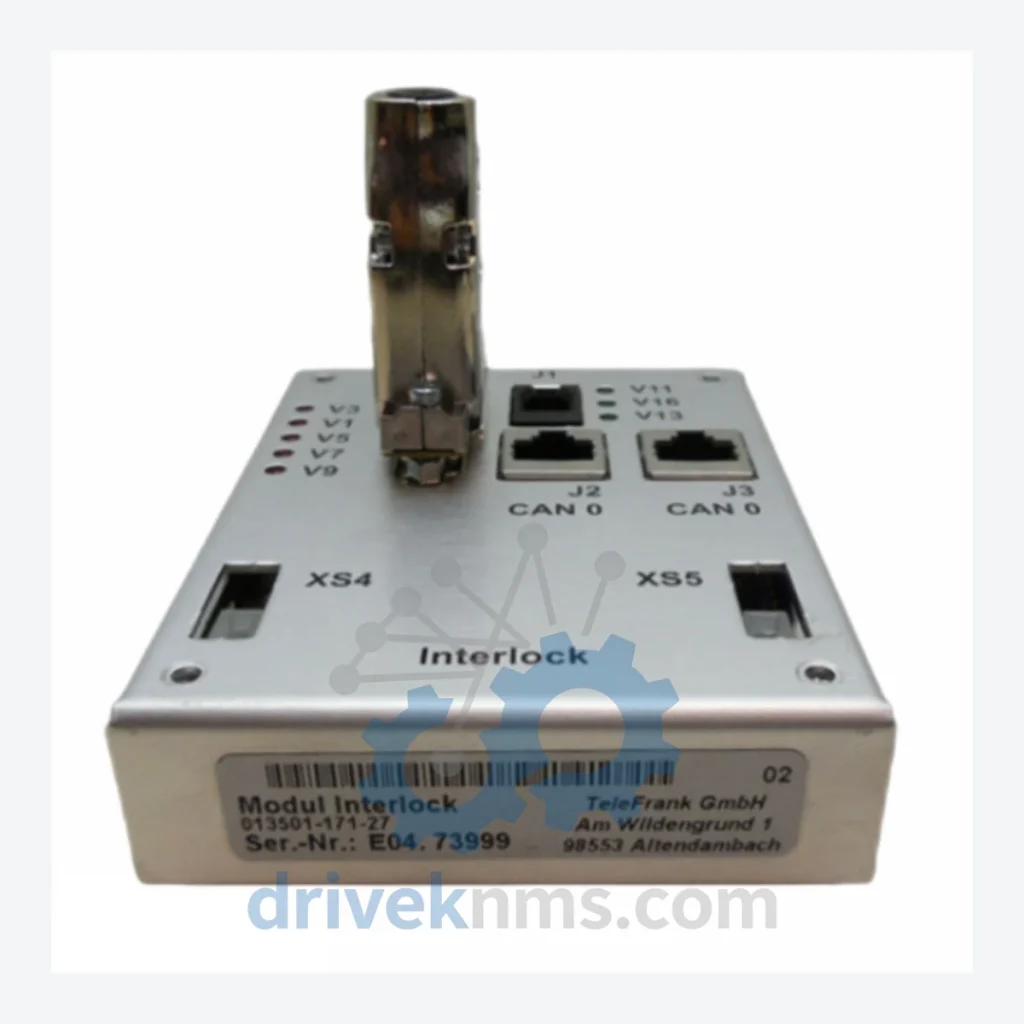
Model: 013501-171-27
Product Overview
Commercial availability is handled through direct RFQ, model verification and export-oriented follow-up rather than public cart checkout.
Datasheet Preview
Use attached product manuals when available. If the manual is not public yet, request the full file directly through RFQ.
Commercial Path
Product pages on DRIVEKNMS are designed to verify model, brand and series first, then move the buyer into one clean quotation path.
Technical Dossier
When a single interlock module fails in a legacy control system, the consequences extend far beyond the cost of the component itself. A forced line stoppage triggers emergency engineering assessments, vendor negotiations, and — in the worst case — a full system migration that can run into the millions of dollars. The Telefrank 013501-171-27 Interlock Module is a discontinued component that remains embedded in industrial control architectures across process manufacturing, power generation, and heavy automation facilities worldwide. DriveKNMS maintains RFQ-reviewed sourcing status of this module specifically to prevent that scenario from becoming your operational reality.
This is not a commodity part. It is a critical node in a control chain that was engineered to a specific generation of hardware logic. Replacing the system around it is not a maintenance decision — it is a capital expenditure. Sourcing the original module is the only rational path for facilities committed to protecting their existing automation investment.
RFQ support for obsolete parts: Send the model number, required quantity and destination so DriveKNMS can confirm sourcing options before quotation.
Note: Electrical parameters (voltage ratings, current capacity, signal type) are not published here to prevent misapplication. Contact our technical team for specification verification against your system documentation.
Industrial automation systems built in the 1980s through early 2000s were designed for 20–30 year service lives. Many are still running — and running well — because the underlying engineering was sound. The problem is not the system. The problem is that the original component manufacturers have discontinued support, leaving facilities exposed to a single point of failure with no direct replacement path.
The Telefrank 013501-171-27 Interlock Module occupies exactly this position. It performs a defined safety and sequencing function within its host control architecture. There is no modern drop-in equivalent that does not require re-engineering the surrounding logic. For a facility running this hardware, the choice is binary: source the original part, or commit to a system overhaul.
Q: How are RFQ terms confirmed?
A: Quantity, required condition, documentation needs, destination and sourcing route are confirmed during RFQ review before quotation.
Facilities that have extended legacy system life by 5–10 years through strategic spare parts management consistently report the same approach: identify the single-point-of-failure components in each control loop, source verified spares before failure occurs, and store them under controlled conditions. The 013501-171-27 belongs on that list for any facility running Telefrank interlock architecture.
Obsolete parts sourced from secondary markets carry inherent risk. DriveKNMS applies a structured 5-step quality process to every unit before it leaves our facility:
Units that do not pass all five stages are not sold as functional spares. This process exists because in a safety-critical interlock application, a failed spare is worse than no spare — it creates a false sense of security.
Q: How do I know the unit is genuine and not a counterfeit?
A: We source from decommissioned OEM equipment, authorized liquidators, and verified industrial estates. Each unit is inspected against known-good reference units. We provide full condition documentation and will share sourcing details with qualified buyers upon request.
Q: Can you support multi-unit or repeat RFQ requests?
A: Yes. Send the model list, target quantity and destination so DRIVEKNMS can review sourcing options and quote the requirement as a project RFQ.
Continue The Model Path
Move from this exact model into the matching system hub, brand archive, model-family archive or lifecycle sourcing route before sending a final RFQ list.
Related Paths
Telefrank TZP80-2405/S AC-DC is listed for TZP Series RFQ review. Confirm quantity, condition and destination before quotation.
Alstom MVAJ105RA0802A is listed for MiCOM Series RFQ review. Confirm quantity, condition and destination before quotation.
Moore 16137-174 is listed for Servo Drives RFQ review. Confirm quantity, condition and destination before quotation.