
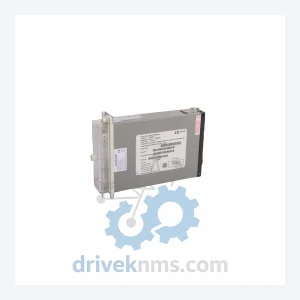
ALSTOM MVAJ105RA0802A Protection Relay – MiCOM Series
Alstom MVAJ105RA0802A is listed for MiCOM Series RFQ review. Confirm quantity, condition and destination before quotation.
RFQ-ready industrial model
Model: TLS-5C-01
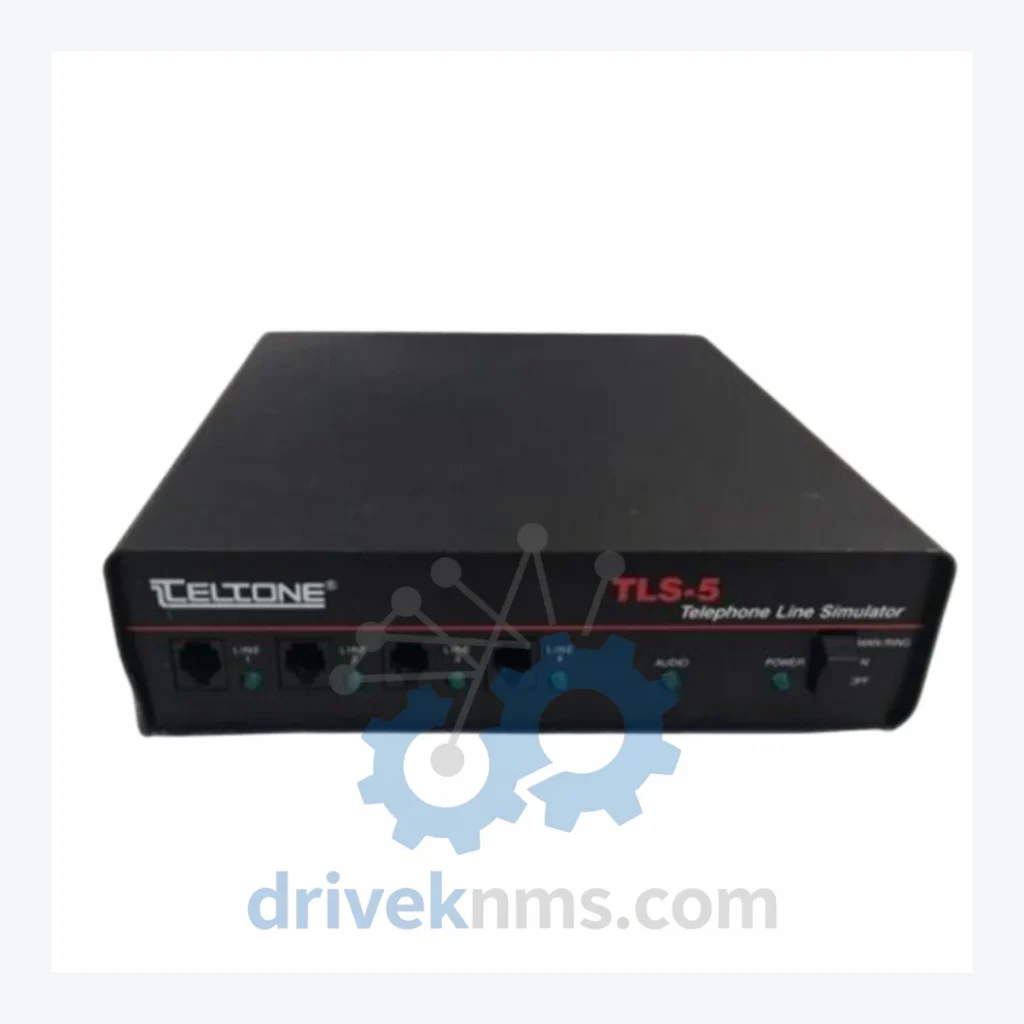
Product Overview
Commercial availability is handled through direct RFQ, model verification and export-oriented follow-up rather than public cart checkout.
Datasheet Preview
Use attached product manuals when available. If the manual is not public yet, request the full file directly through RFQ.
Commercial Path
Product pages on DRIVEKNMS are designed to verify model, brand and series first, then move the buyer into one clean quotation path.
Technical Dossier
Teltone Corporation (Redmond, WA) developed its telephone line simulator product line beginning in the late 1970s to address the need for standardized loop emulation in modem and DAA (Data Access Arrangement) development. The progression moved through several distinct generations:
The TLS-2 and TLS-3 platforms established the foundational two-wire balanced loop simulation topology, offering fixed impedance networks based on the FCC Part 68 standard loop models. The TLS-4 introduced selectable loop length configurations and improved longitudinal balance specifications. The TLS-5A series expanded the selectable loop parameter range and added ringing signal injection capability. The TLS-5C generation refined the analog front-end circuitry for improved return loss accuracy, added modular card-based expansion for multi-line test configurations, and introduced the -01 through -04 sub-variant designations to address specific loop model sets (North American 3-element, 5-element, and international ETSI/ITU-T variants). Compatibility with legacy TLS-4 and TLS-5A test fixtures is maintained at the mechanical level; however, impedance network cards are not cross-compatible between generations. Organizations operating mixed-generation test floors must maintain separate spare card inventories for each platform.
The following SKUs represent the documented TLS-5C series module range. Each entry identifies the module's primary function within the telephone line simulation system:
TLS-5C-01: Standard two-wire loop simulator, FCC Part 68 3-element network, single line.
TLS-5C-02: Two-wire loop simulator, 5-element extended loop model, single line.
TLS-5C-03: Multi-line loop simulator chassis, 4-port configuration, fixed impedance.
TLS-5C-04: Multi-line loop simulator chassis, 4-port, selectable loop length (0–18 kft).
TLS-5C-05: Ringing signal generator module, 20 Hz / 90 Vrms, cadence programmable.
TLS-5C-06: Loop current source module, adjustable 20–120 mA DC feed.
TLS-5C-07: Longitudinal balance network, 60 dB minimum, for EMC test configurations.
TLS-5C-08: ETSI TBR-21 compliant loop model card, European subscriber loop simulation.
TLS-5C-09: ITU-T G.650 loop model card, international long-loop simulation.
TLS-5C-10: Expansion backplane, 8-slot, for multi-module TLS-5C chassis builds.
TLS-5C-11: Power supply module, 115/230 VAC input, ±12 VDC / +5 VDC output rails.
TLS-5C-12: Noise injection module, C-message weighted, for SNR margin testing.
TLS-5C-13: Tip-ring reversal relay module, for polarity reversal simulation.
TLS-5C-14: Analog loopback test module, end-to-end continuity verification.
TLS-5C-15: Calibration reference network, NIST-traceable, for periodic system verification.
TLS-5C-16: Remote control interface card, RS-232, for automated test system integration.
TLS-5C-17: GPIB/IEEE-488 interface card, for ATE rack integration.
TLS-5C-18: Spare parts kit, consumable components (relays, fuses, terminal blocks) for TLS-5C chassis.
Teltone Corporation was acquired and its product lines were subsequently discontinued. The TLS-5C series has been in end-of-life status for over two decades, with no OEM production, no manufacturer repair service, and no official spare parts supply chain. Test facilities that continue to operate TLS-5C-based qualification benches — particularly those bound by long-term regulatory or contractual test method requirements — face a closed OEM supply channel for all modules and sub-assemblies.
The TLS-5C platform presents specific verification challenges due to its precision analog impedance networks and multi-card backplane architecture. DriveKNMS applies the following test protocol to all TLS-5C units processed through its facility:
Continue The Model Path
Move from this exact model into the matching system hub, brand archive, model-family archive or lifecycle sourcing route before sending a final RFQ list.
Related Paths
Alstom MVAJ105RA0802A is listed for MiCOM Series RFQ review. Confirm quantity, condition and destination before quotation.
Moore 16137-174 is listed for Servo Drives RFQ review. Confirm quantity, condition and destination before quotation.
Fuji Electric EP-3364B-CA-Z2 is listed for FRENIC Series RFQ review. Confirm quantity, condition and destination before quotation.