Technical Dossier
Product Details And Specifications
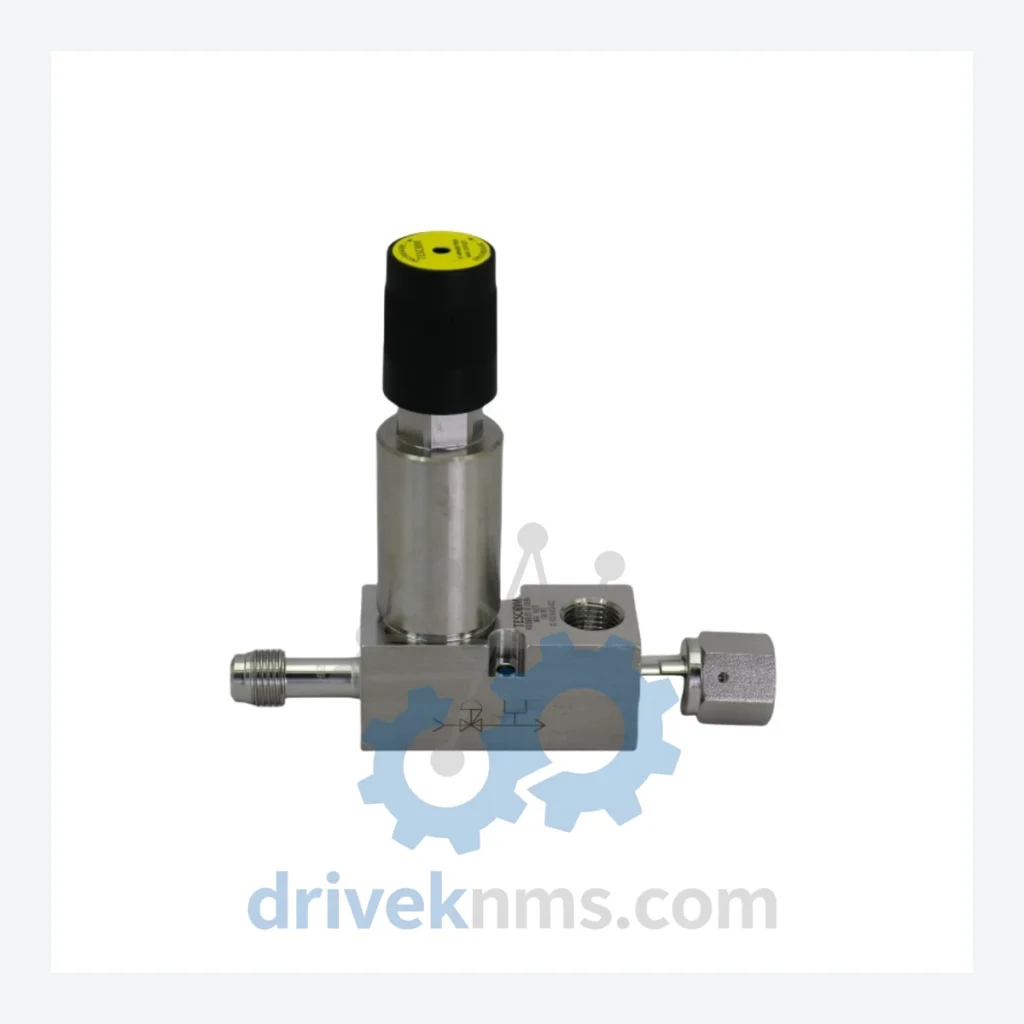
TESCOM 150PSI 12-1K21AAED-072 SR-40 C3050 HT-110 Pressure Regulator – Obsolete High Purity Series Spare Part
When a high purity pressure regulator fails in a semiconductor fab, pharmaceutical fill line, or specialty gas distribution system, the consequences extend far beyond the cost of the part itself. A single unplanned shutdown can trigger batch losses, contamination events, and regulatory holds that run into hundreds of thousands of dollars per day. Replacing an obsolete TESCOM high purity regulator with a modern substitute is rarely straightforward — process qualification, material compatibility re-certification, and re-validation of the gas delivery system can consume months of engineering time and capital expenditure that dwarfs the original equipment cost. DriveKNMS holds RFQ-reviewed sourcing status of the TESCOM 150PSI 12-1K21AAED-072 SR-40 C3050 HT-110. For plant managers operating aging high purity gas systems, this is not a commodity purchase — it is an asset protection decision.
RFQ support for obsolete parts: Send the model number, required quantity and destination so DriveKNMS can confirm sourcing options before quotation.
Technical Specifications
Note: Electrical and dimensional parameters not listed here are not confirmed. DriveKNMS does not publish unverified specifications. Contact us for a full datasheet if available.
Solving the Discontinued Hardware Crisis
TESCOM's SR-40 and C3050 high purity regulator families were workhorses of semiconductor process gas panels, laboratory gas distribution manifolds, and pharmaceutical-grade inert gas systems throughout the 1990s and 2000s. These regulators were engineered to exacting cleanliness standards — electropolished internal wetted surfaces, low-extractable seat materials, and leak-before-break body designs — that made them the default specification in many facility standards documents.
For plant maintenance managers, the calculus is straightforward. A validated gas delivery system that has operated reliably for 15 years represents a proven, de-risked asset. Forcing a system upgrade because a single regulator is unavailable transfers that risk back onto the operation — new qualification runs, potential process drift, and the attention of quality assurance and regulatory bodies. Sourcing an authentic TESCOM 12-1K21AAED-072 from a specialist like DriveKNMS eliminates that risk entirely and extends the productive life of the existing system by years.
How to Extend Automation Asset Life by 5–10 Years Through Strategic Spare Parts Management
The most cost-effective maintenance strategy for aging high purity gas systems is not replacement — it is controlled life extension through verified spare parts. The following approach has been applied successfully in semiconductor and pharmaceutical facilities operating legacy TESCOM-based gas panels:
2. Failure mode analysis: For the SR-40 / C3050 / HT-110 family, the dominant failure modes after extended service are seat wear leading to internal leakage, diaphragm fatigue, and body seal degradation. A single spare unit held in controlled storage addresses all three failure modes simultaneously.
5. Documentation continuity: Retain the original TESCOM part number on all maintenance records. Substituting a different manufacturer's part number, even for a functionally equivalent regulator, can trigger re-qualification requirements under ISO, SEMI, or GMP frameworks. Using the original part number preserves documentation continuity and avoids regulatory friction.
This approach consistently delivers 5–10 additional years of productive service from existing gas delivery infrastructure at a fraction of the cost of system replacement.
Condition & Reliability Assurance
DriveKNMS applies a structured 5-step quality process to all obsolete TESCOM regulators before dispatch review:
Step 1 – Visual and mechanical inspection: Full external inspection for body corrosion, port thread condition, and handle/adjustment mechanism integrity. Units with structural compromise are rejected.
Step 2 – Electrolytic capacitor and seal aging assessment: Internal elastomeric seals and diaphragm materials are assessed for age-related hardening or compression set. Units showing seal degradation are flagged for rebuild or rejection.
Step 3 – Internal cleanliness verification: For high purity service, internal wetted surfaces are inspected for particulate contamination, oxidation, or moisture ingress. Units are re-cleaned and re-bagged in cleanroom conditions where required.
Step 4 – Firmware and configuration verification (where applicable): For electronically controlled variants, firmware version and configuration parameters are verified against known-good references.
Step 5 – Pin and port corrosion inspection: All inlet, outlet, and vent ports are inspected for corrosion, thread damage, or contamination that could compromise installation or sealing integrity.
Key Features for System Maintenance
The TESCOM 12-1K21AAED-072 is a direct, drop-in replacement for the original installed unit. No process re-qualification is required when replacing like-for-like. No re-programming, no re-calibration of downstream instrumentation, no engineering change order to the P&ID. The regulator installs in the existing panel position using the original port connections and tubing fittings. This is the lowest-risk, lowest-cost path to restoring system integrity — and it avoids the engineering overhead that a cross-manufacturer substitution would trigger.
- Drop-in replacement: identical form, fit, and function to the original installed unit
- No re-programming or re-calibration required
- Preserves existing process qualification and documentation
- Eliminates engineering change order requirements
- Avoids costly system-level re-validation
- Maintains original TESCOM part number continuity for regulatory records