Technical Dossier
Product Details And Specifications
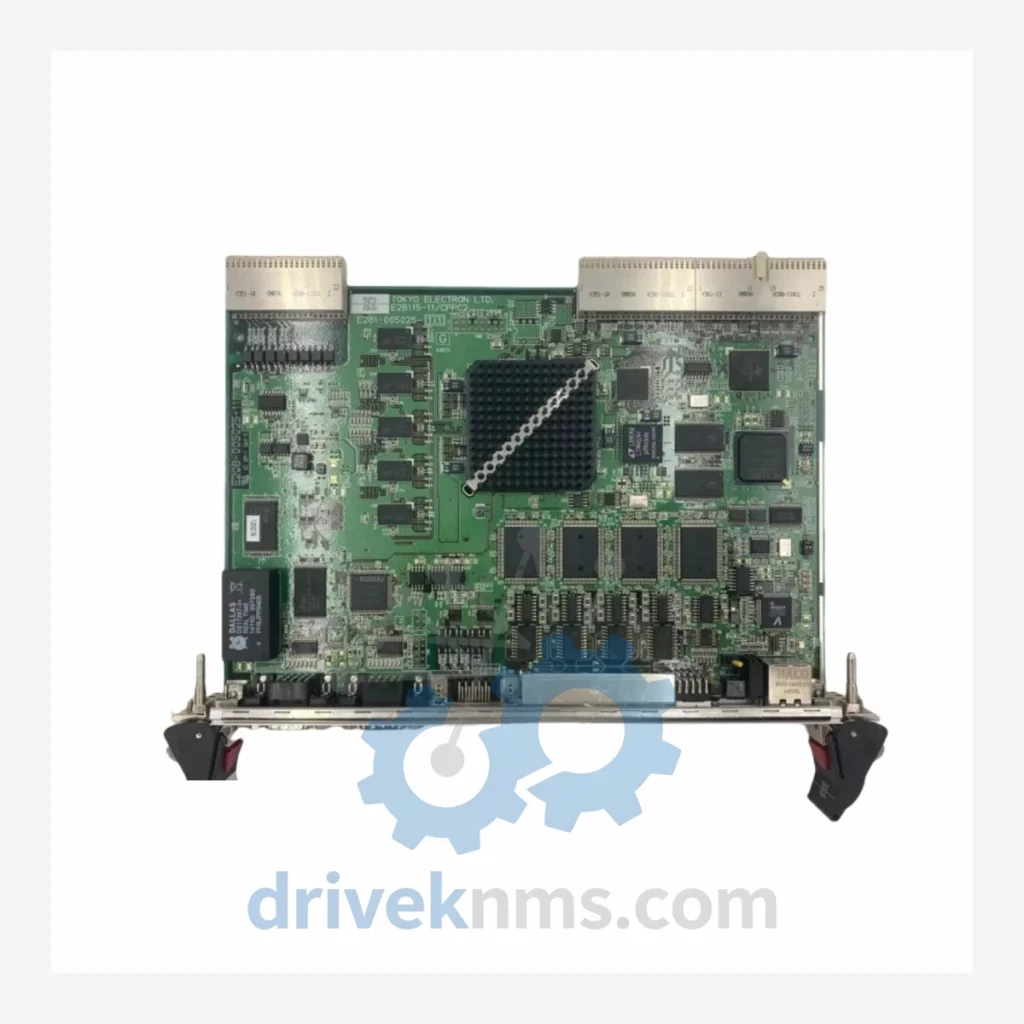
TOKYO E2B115-11/CPPC2 E281-005025-11 E208-005025-11 Telephone Control Panel – Obsolete TOKYO Series Spare Part
RFQ support for obsolete parts: Send the model number, required quantity and destination so DriveKNMS can confirm sourcing options before quotation.
Technical Specifications
Note: Electrical parameters specific to this assembly are not published here to prevent misapplication. Contact our technical team for verified datasheet confirmation prior to installation.
Solving the Discontinued Hardware Crisis
The TOKYO E2B115-11/CPPC2 assembly was designed as a core communication and control interface within TOKYO's legacy panel architecture. Systems built around this platform — particularly those installed in the 1990s through early 2000s — were engineered for decade-long operational cycles. Many remain in active service today precisely because the cost and disruption of replacing them outweighs any incremental efficiency gain from modern alternatives.
Sourcing a direct drop-in replacement from DriveKNMS eliminates that forced decision. The system continues operating. The capital expenditure is deferred. The production schedule is protected.
Condition & Reliability Assurance
Every unit sourced through DriveKNMS undergoes a structured 5-step quality verification process before dispatch. This protocol is specifically designed for obsolete and aged components where standard shelf life assumptions do not apply.
Step 1 – Visual and Physical Inspection: Full external examination for mechanical damage, pin deformation, connector wear, and housing integrity.
Step 2 – Electrolytic Capacitor Assessment: Aged electrolytic capacitors are a primary failure mode in legacy electronics. Each unit is inspected for capacitor bulging, leakage, and ESR deviation. Units with degraded capacitors are either recapped with specification-matched components or rejected.
Step 3 – Pin and Contact Corrosion Check: All connector pins and PCB contact points are examined under magnification. Oxidation is treated; units with structural corrosion are excluded from inventory.
Step 4 – Firmware and Configuration Verification: Where applicable, firmware version is confirmed against known compatible releases for TOKYO CPPC2 systems. No unauthorized firmware modifications are present.
Key Features for System Maintenance
The E2B115-11/CPPC2 assembly is a direct hardware replacement for the original installed unit. No panel rewiring is required. No PLC reprogramming is necessary. No engineering reconfiguration of the host system is involved. The unit installs into the existing slot, connects to existing wiring, and resumes the function of the failed module.
This drop-in replacement characteristic is the defining maintenance advantage of sourcing original-specification obsolete parts versus pursuing system modernization. Modernization projects introduce new failure modes, require operator retraining, and carry integration risk that is difficult to quantify in advance. A verified original-specification replacement carries none of those risks. The system behavior after replacement is identical to pre-failure operation — which is precisely what maintenance teams and production schedulers require.
Q: Can you source related modules in the same TOKYO CPPC2 family?
A: Yes. Contact our team with your full bill of materials for legacy TOKYO systems. We maintain sourcing networks for associated modules and can advise on availability.