
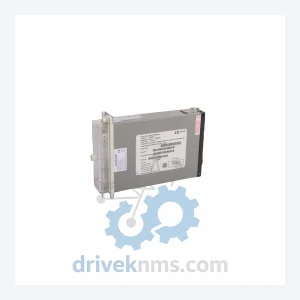
ALSTOM MVAJ105RA0802A Protection Relay – MiCOM Series
Alstom MVAJ105RA0802A is listed for MiCOM Series RFQ review. Confirm quantity, condition and destination before quotation.
RFQ-ready industrial model
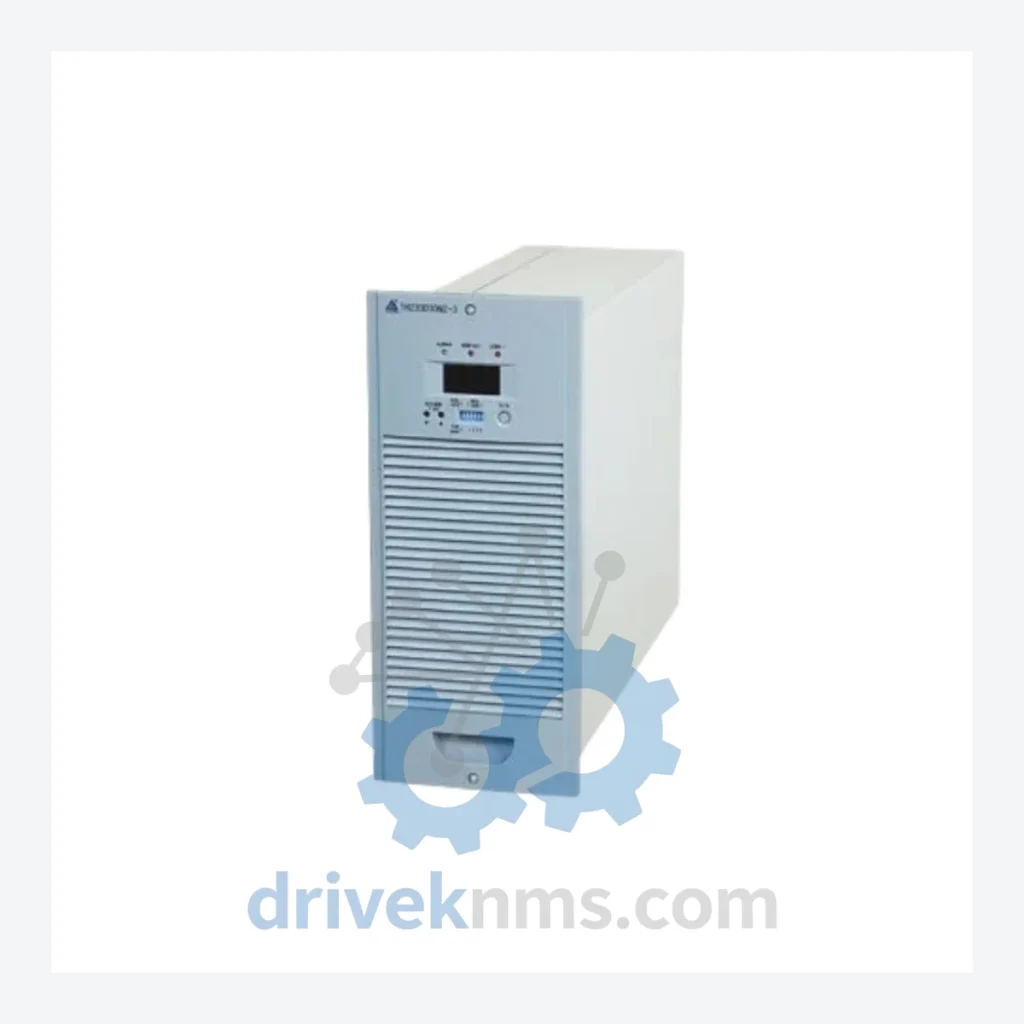
Model: TH230D40NZ-3
Product Overview
Commercial availability is handled through direct RFQ, model verification and export-oriented follow-up rather than public cart checkout.
Datasheet Preview
Use attached product manuals when available. If the manual is not public yet, request the full file directly through RFQ.
Commercial Path
Product pages on DRIVEKNMS are designed to verify model, brand and series first, then move the buyer into one clean quotation path.
Technical Dossier
The TONHE TH230D series comprises three-phase bridge rectifier modules designed for continuous-duty industrial power conversion applications. These units are deployed across heavy industrial sectors including petrochemical processing plants, thermal and nuclear power generation facilities, steel rolling mills, and offshore oil refinery platforms. The TH230D line occupies a critical position in DC drive systems, providing the rectified DC bus voltage required by variable-speed DC motor controllers, excitation systems, and electrochemical process equipment. Their robust aluminum-substrate construction and forced-air or natural-convection cooling configurations make them a standard specification component in both OEM drive assemblies and field-replacement maintenance programs across Asia-Pacific and EMEA industrial installations.
The TH230D series follows the established Chinese national standard GB/T 15291 for semiconductor power devices and conforms to IEC 60747-6 for rectifier diode specifications. Early-generation TH230D modules used press-pack diode assemblies with separate heat-sink mounting, requiring torque-controlled installation to ensure thermal interface integrity. Subsequent revisions integrated the diode bridge into a single isolated-base module package, reducing assembly time and improving thermal path consistency.
The NZ suffix variants (e.g., TH230D40NZ-3) denote natural-convection-compatible packages with enhanced isolation voltage ratings (typically ≥2500V RMS), suited for high-voltage DC bus architectures. The forced-air variants (FA suffix) are specified for higher current densities in compact drive enclosures. Compatibility across generations is maintained at the terminal pitch and mounting-hole level, allowing direct substitution in legacy drive frames without mechanical modification. As the TH230D series has entered the mature/end-of-life phase for several sub-models, long-term maintenance sourcing from specialist distributors such as DriveKNMS is the primary supply channel for installed-base support.
The following SKUs represent verified models within the TONHE TH230D rectifier series, classified by current rating and cooling method:
Three-Phase Bridge Rectifier Modules — Natural Convection (NZ)
Three-Phase Bridge Rectifier Modules — Forced-Air Cooling (FA)
All sourced units are traceable to batch documentation. For critical applications, DriveKNMS can provide test certificates and thermal imaging records on request. Minimum order quantities are flexible to support single-unit emergency replacement as well as multi-unit scheduled maintenance kits.
Each TH230D module processed through DriveKNMS undergoes a structured electrical verification protocol prior to dispatch. Testing covers: forward voltage drop (VF) measurement at rated average current; reverse leakage current (IR) measurement at rated peak reverse voltage (PRV); isolation voltage withstand test at 2500V AC for 1 minute between terminals and base plate; thermal resistance verification using controlled heat-load and calibrated thermocouple measurement; and visual inspection of terminal integrity, base-plate flatness, and encapsulant condition. Modules exhibiting parameter drift beyond ±10% of datasheet nominal values are quarantined and not released for sale. This protocol is specifically adapted to the TH230D's isolated-base package construction, where base-plate contamination or micro-cracking of the encapsulant can cause latent isolation failures under thermal cycling conditions.
Continue The Model Path
Move from this exact model into the matching system hub, brand archive, model-family archive or lifecycle sourcing route before sending a final RFQ list.
Related Paths
Alstom MVAJ105RA0802A is listed for MiCOM Series RFQ review. Confirm quantity, condition and destination before quotation.
Moore 16137-174 is listed for Servo Drives RFQ review. Confirm quantity, condition and destination before quotation.
Fuji Electric EP-3364B-CA-Z2 is listed for FRENIC Series RFQ review. Confirm quantity, condition and destination before quotation.