
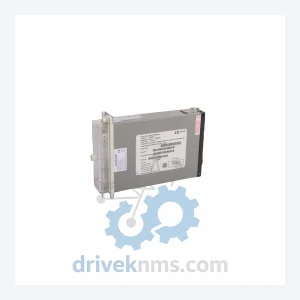
ALSTOM MVAJ105RA0802A Protection Relay – MiCOM Series
Alstom MVAJ105RA0802A is listed for MiCOM Series RFQ review. Confirm quantity, condition and destination before quotation.
RFQ-ready industrial model
Model: 71-00178 RKW24-65R L55ZV1, J2 K210
Product Overview
Commercial availability is handled through direct RFQ, model verification and export-oriented follow-up rather than public cart checkout.
Datasheet Preview
Use attached product manuals when available. If the manual is not public yet, request the full file directly through RFQ.
Commercial Path
Product pages on DRIVEKNMS are designed to verify model, brand and series first, then move the buyer into one clean quotation path.
Technical Dossier
RFQ support for obsolete parts: Send the model number, required quantity and destination so DriveKNMS can confirm sourcing options before quotation.
Note: Electrical and optical parameters for this obsolete module are not published in current OEM documentation. DriveKNMS does not fabricate specifications. Verified technical data is provided upon request with unit inspection report.
TOSOH QUARTZ built a reputation for high-stability quartz optical components used in environments where measurement drift is not acceptable — semiconductor lithography support, gas analysis, and precision process monitoring. The 71-00178 series interferometer was designed as a long-service component, but that design philosophy did not prevent the OEM from eventually discontinuing the line as product generations advanced.
Facilities still operating systems that depend on this module face a structural problem: the system around it — the control architecture, the calibration procedures, the operator training, the process validation — represents an investment that cannot be replicated cheaply. Replacing the interferometer module with a modern equivalent is not a plug-and-play exercise. It requires optical re-alignment, signal chain reconfiguration, and in regulated industries, a full re-qualification cycle that can run six to eighteen months and cost more than the original system installation.
The rational alternative is asset preservation through verified spare part procurement. A single 71-00178 unit held in reserve eliminates the single point of failure that would otherwise force a premature retirement decision. For facilities managing five to fifteen years of remaining useful life on their existing platform, this is not a maintenance cost — it is capital protection.
Facilities that have successfully extended legacy TOSOH QUARTZ system life by 5–10 years typically follow a structured approach: they identify the two or three modules with no modern equivalent, secure RFQ-reviewed sourcing status of each, establish a documented inspection and storage protocol, and integrate spare part status into their annual asset review. The cost of this program is a fraction of one unplanned system retirement.
DriveKNMS applies a 5-stage quality process to all obsolete optical and electronic modules before dispatch review:
How do I know the unit is genuine and not a counterfeit?
Every unit is verified against original TOSOH QUARTZ part markings, serial number formats, and physical construction standards. Our inspection report, provided with each shipment, documents the verification steps completed. We do not source from unverified secondary markets.
Should I buy more than one unit?
For any system where this module is a single point of failure and no modern replacement exists, holding a minimum of two units is the standard recommendation in industrial asset management practice. One unit for immediate replacement, one unit for the subsequent failure event. The cost of a second unit is negligible relative to the cost of an unplanned system outage while sourcing a replacement under time pressure.
How should spare units be stored?
Store in original anti-static packaging in a climate-controlled environment: temperature 15–25°C, relative humidity below 60%, away from direct light and magnetic field sources. Inspect stored units annually as part of your spare parts audit program.
Continue The Model Path
Move from this exact model into the matching system hub, brand archive, model-family archive or lifecycle sourcing route before sending a final RFQ list.
Related Paths
Alstom MVAJ105RA0802A is listed for MiCOM Series RFQ review. Confirm quantity, condition and destination before quotation.
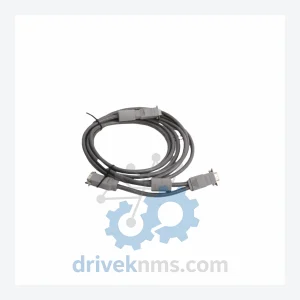
Moore 16137-174 is listed for Servo Drives RFQ review. Confirm quantity, condition and destination before quotation.
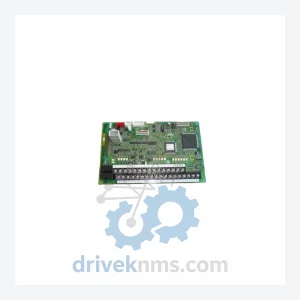
Fuji Electric EP-3364B-CA-Z2 is listed for FRENIC Series RFQ review. Confirm quantity, condition and destination before quotation.