
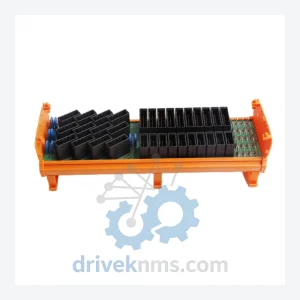
Honeywell 10313/1/1 FSC Termination Module – Obsolete Safety System Spare Part
Honeywell 10313/1/1 is listed for Safety System RFQ review. Confirm quantity, condition and destination before quotation.
RFQ-ready industrial model
Model: DO3201
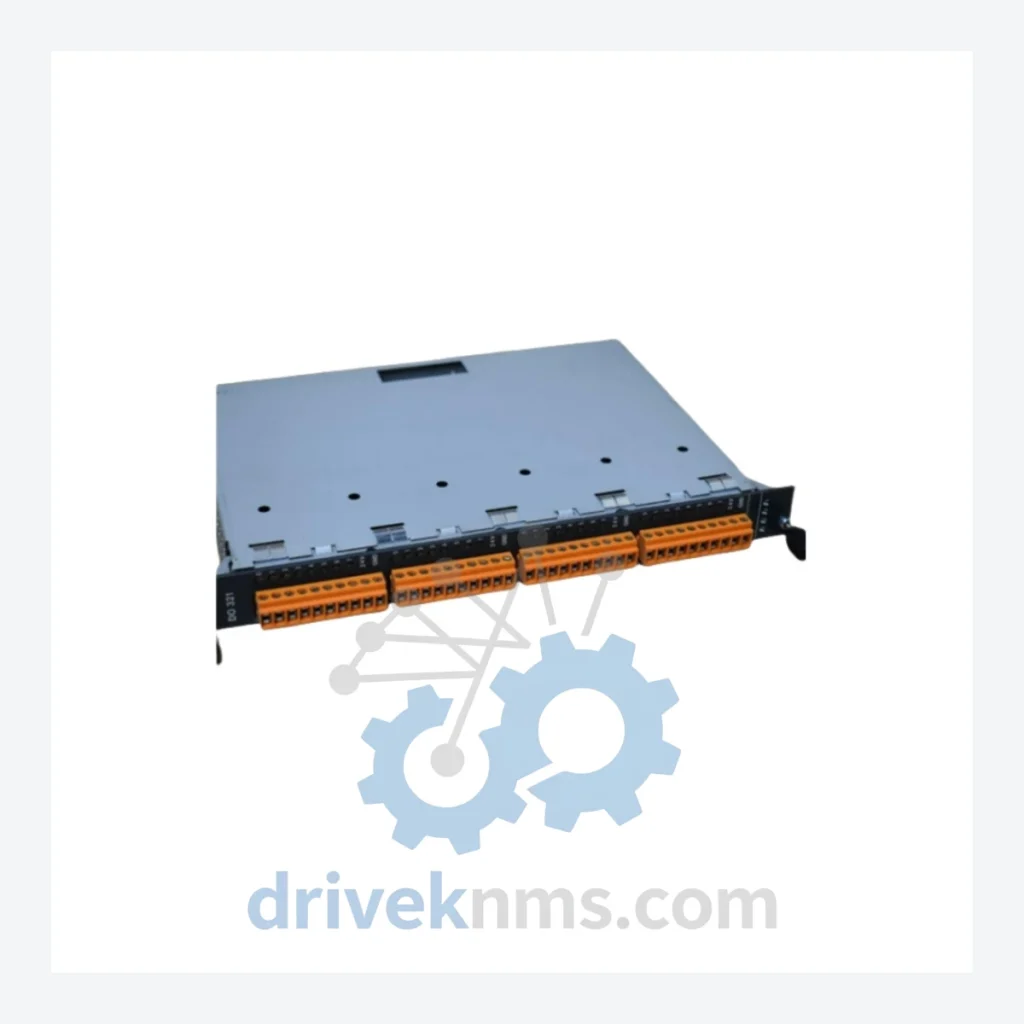
Product Overview
Commercial availability is handled through direct RFQ, model verification and export-oriented follow-up rather than public cart checkout.
Datasheet Preview
Use attached product manuals when available. If the manual is not public yet, request the full file directly through RFQ.
Commercial Path
Product pages on DRIVEKNMS are designed to verify model, brand and series first, then move the buyer into one clean quotation path.
Technical Dossier
RFQ support for obsolete parts: Send the model number, required quantity and destination so DriveKNMS can confirm sourcing options before quotation.
| Part Number | DO3201 |
| Full Description | Digital Output Module |
| Manufacturer | Triconex (Schneider Electric) |
| Compatible Platform | Triconex Tricon TMC (Triple Modular Redundant) |
| Output Type | Digital (Discrete) Output |
| Output Channels | 32 channels |
| Output Voltage | 24V DC |
| Output Current per Channel | 0.5A per channel |
| Communication Interface | Tricon backplane bus |
| Form Factor | Single-slot Tricon chassis module |
| Country of Origin | United States |
| Discontinuation Status | Discontinued / Obsolete – No longer in production |
| Replacement Availability | No direct OEM replacement; platform migration required if unavailable |
Note: Electrical parameters listed above are based on published Triconex documentation for the DO3201 series. Parameters not confirmed by official documentation have been omitted. Always verify against your system's engineering drawings before installation.
Obsolete modules sourced from secondary markets carry risks that standard procurement processes are not designed to detect. DriveKNMS applies a 5-step inspection protocol to every DO3201 unit before it is offered for sale:
The pressure to retire aging SIS platforms is real, but the timeline is rarely driven by technical necessity — it is driven by spare parts availability. When a critical module becomes unavailable, procurement escalates to engineering, engineering escalates to management, and management faces a forced decision under time pressure. That is the worst possible context for a capital expenditure of this scale. The alternative is a structured obsolescence management program. For Tricon-based systems, this means: identifying every module type in the installed base, assessing current secondary market availability for each, and establishing a minimum strategic spare holding. A facility that holds verified spares for its highest-criticality modules can defer a platform migration by 5–10 years — long enough to align the replacement with a planned turnaround, secure capital budget approval through normal channels, and execute the migration on a controlled schedule rather than an emergency one. The cost of that deferral strategy — spare modules, periodic inspection, storage — is typically less than 1% of the cost of an unplanned migration. DriveKNMS works with maintenance and reliability teams to identify and source the specific obsolete modules their systems require. This is not a catalog transaction. It is a supply chain service for facilities that cannot afford to get it wrong.
Q: Should we buy one spare or multiple?
A: For any facility with more than one Tricon chassis, holding a minimum of two DO3201 spares is the standard recommendation. Given that secondary market availability will only decrease over time, purchasing additional units now — while RFQ-reviewed sourcing status exists — is the lower-risk position. We can advise on appropriate spare quantities based on your installed base.
Q: Can this module be used in a Trident or Tricon CX system?
A: The DO3201 is designed for the Tricon TMC platform. Compatibility with Trident or Tricon CX architectures depends on chassis generation and backplane revision. Confirm your chassis model before ordering. We can assist with compatibility verification.
Continue The Model Path
Move from this exact model into the matching system hub, brand archive, model-family archive or lifecycle sourcing route before sending a final RFQ list.
Related Paths
Honeywell 10313/1/1 is listed for Safety System RFQ review. Confirm quantity, condition and destination before quotation.
ICS Triplex T9082U is listed for Safety System RFQ review. Confirm quantity, condition and destination before quotation.
Honeywell FS-TSRO-08UNI is listed for Safety System RFQ review. Confirm quantity, condition and destination before quotation.