
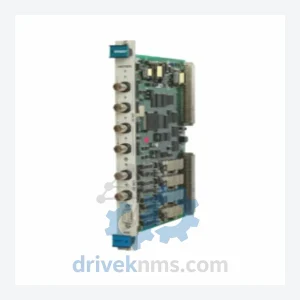
Vibro-Meter VM600 MPC4 200-510-071-113 Machinery Protection Card
Vibro Meter VM600 MPC4 200-510-071-113 is listed for VM600 RFQ review. Confirm quantity, condition and destination before quotation.
RFQ-ready industrial model
Model: VM600 RLC16 200-570-000-014
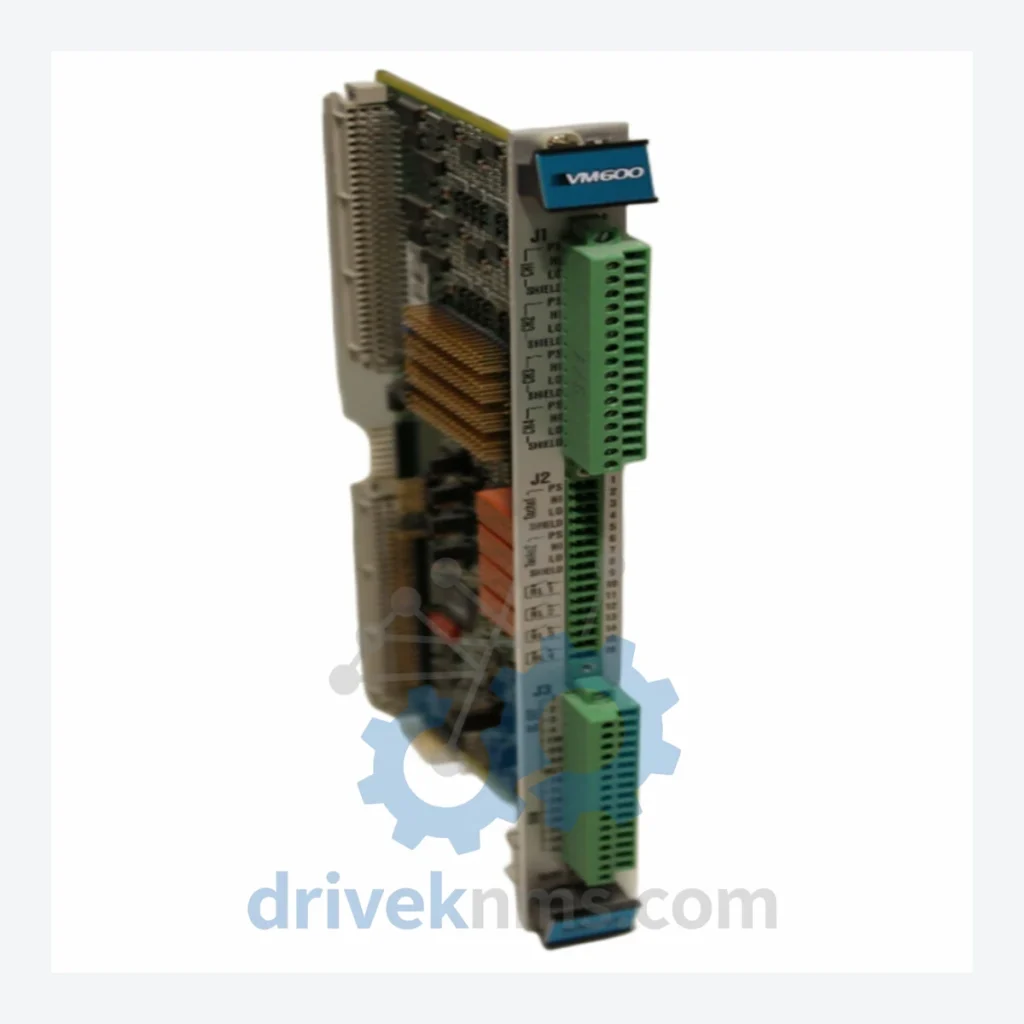
Product Overview
Commercial availability is handled through direct RFQ, model verification and export-oriented follow-up rather than public cart checkout.
Datasheet Preview
Use attached product manuals when available. If the manual is not public yet, request the full file directly through RFQ.
Commercial Path
Product pages on DRIVEKNMS are designed to verify model, brand and series first, then move the buyer into one clean quotation path.
Technical Dossier
When the VIBRO-METER VM600 RLC16 Relay Output Card fails, the consequences extend far beyond a single module. The VM600 is a rack-based machinery protection platform deployed across gas turbines, steam turbines, compressors, and rotating equipment in power generation and heavy process industries. A single failed relay card can disable trip and alarm output channels across the entire protection rack — forcing plant engineers into an immediate choice: locate a replacement module, or initiate a full system migration.
RFQ support for obsolete parts: Send the model number, required quantity and destination so DriveKNMS can confirm sourcing options before quotation.
| Manufacturer | VIBRO-METER (Meggitt / Safran group) |
| Part Number | 200-570-000-014 |
| Module Designation | RLC16 – Relay Output Card |
| Compatible System | VM600 Machinery Protection System (rack-based) |
| Compatible Modules | VM600 CPU, CMC16, IOC16T, MPC4, AMC8 |
| Country of Origin | Switzerland |
| OEM Status | Discontinued / Obsolete – no longer manufactured |
| Electrical Parameters | Contact DriveKNMS for verified datasheet |
Q: How are RFQ terms confirmed?
A: Quantity, required condition, documentation needs, destination and sourcing route are confirmed during RFQ review before quotation.
The VM600 platform was engineered for long-service-life industrial environments. Many installations commissioned in the 1990s and 2000s remain in active service today — not because operators are unaware of newer alternatives, but because the cost and risk of replacing a certified, tuned protection system on a running asset is prohibitive.
The RLC16 Relay Output Card is the interface between the VM600's measurement and processing modules and the plant's trip/alarm logic. It provides relay contact outputs that connect directly to turbine trip solenoids, DCS alarm inputs, and emergency shutdown systems. There is no generic substitute: the card must match the VM600 backplane pinout, firmware handshake protocol, and relay channel mapping already configured in the system.
Sourcing a replacement from the OEM is no longer possible. The secondary market window for verified, functional units is narrowing each year as installed base units age and fail. Plants that have not pre-positioned spare RLC16 cards face the full cost of system retirement when the next failure occurs.
Extending the operational life of a VM600 installation by 5 to 10 years through strategic spare parts stocking is a documented asset protection strategy. The capital cost of two or three spare relay cards is a fraction of one percent of the migration cost they prevent. For facilities with multiple VM600 racks, a structured spares program — covering RLC16, CMC16, and CPU modules — can defer a multi-million dollar capital project by a decade or more.
DriveKNMS applies a 5-step quality assurance process to all discontinued modules before dispatch review:
Q: Can you support multi-unit or repeat RFQ requests?
A: Yes. Send the model list, target quantity and destination so DRIVEKNMS can review sourcing options and quote the requirement as a project RFQ.
Q: Can DriveKNMS source other VM600 modules?
A: Yes. DriveKNMS maintains or can source CMC16, IOC16T, MPC4, AMC8, and VM600 CPU modules. Contact us with your full BOM for a consolidated spare parts quotation.
Continue The Model Path
Move from this exact model into the matching system hub, brand archive, model-family archive or lifecycle sourcing route before sending a final RFQ list.
Related Paths
Vibro Meter VM600 MPC4 200-510-071-113 is listed for VM600 RFQ review. Confirm quantity, condition and destination before quotation.
Vibro Meter SIM-275D-B0 200-582-600-013 is listed for Controller Cards RFQ review. Confirm quantity, condition and destination before quotation.
Vibro Meter VM600 IOCN 200-566-000-113 is listed for Controller Cards RFQ review. Confirm quantity, condition and destination before quotation.