
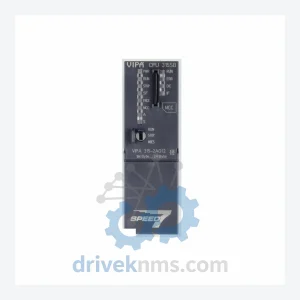
VIPA 315-2AG12 CPU 315SB/DPM Processor Module – SPEED7 Series
Vipa 315-2AG12 is listed for SPEED7 Series RFQ review. Confirm quantity, condition and destination before quotation.
RFQ-ready industrial model
Model: 314-6CG13 CPU 314SC/DPM-SPEED7
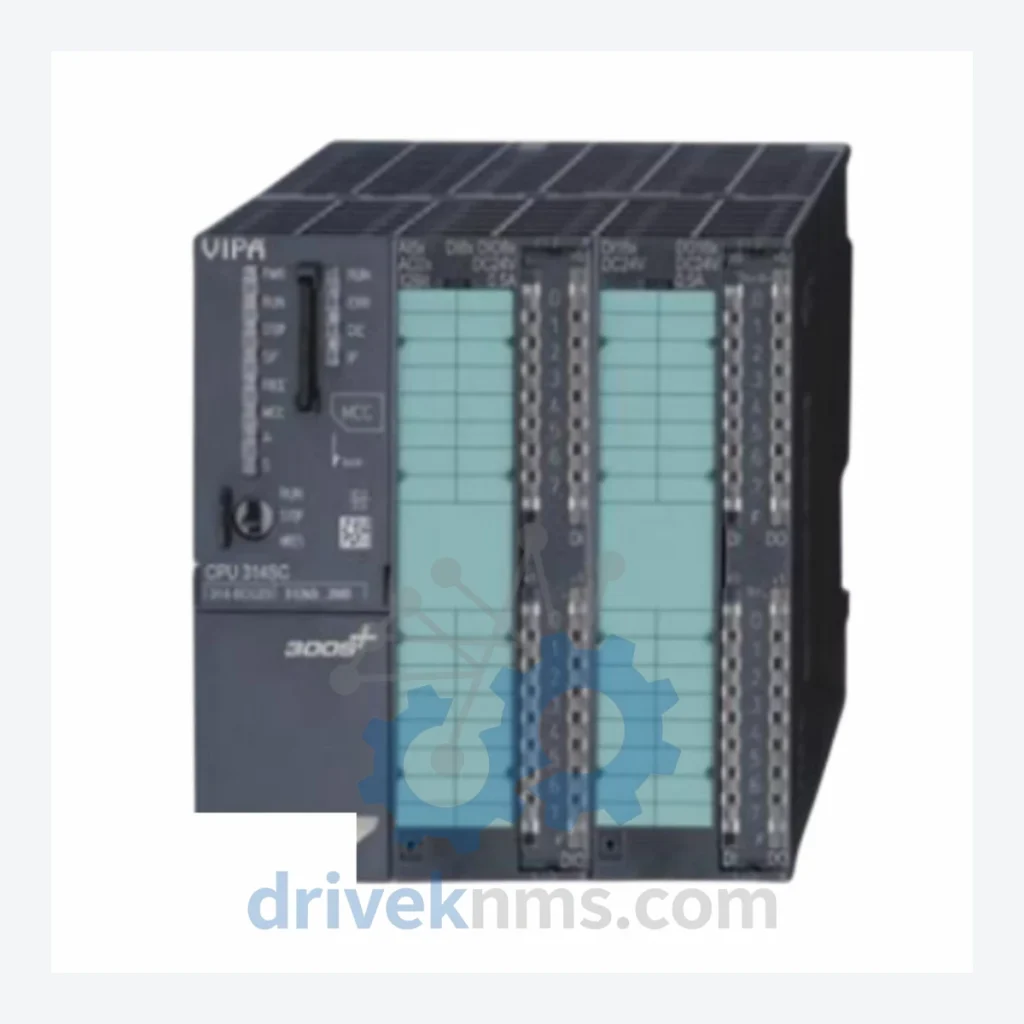
Product Overview
Commercial availability is handled through direct RFQ, model verification and export-oriented follow-up rather than public cart checkout.
Datasheet Preview
Use attached product manuals when available. If the manual is not public yet, request the full file directly through RFQ.
Commercial Path
Product pages on DRIVEKNMS are designed to verify model, brand and series first, then move the buyer into one clean quotation path.
Technical Dossier
The 300S series was introduced by VIPA GmbH (Germany) as a performance-enhanced alternative to the Siemens S7-300. The first-generation CPUs used a single-core architecture with an integrated MPI/DP interface. With the Speed7 designation, VIPA introduced a dual-core design: one core handles the Siemens-compatible instruction set while a second dedicated core manages I/O bus communication, eliminating the CPU cycle penalty for I/O processing. Early models such as the 312-5BE13 and 313-5BF03 established the baseline feature set. Mid-generation CPUs including the 314-6CG13 and 315-2AG12 added integrated PROFIBUS-DP master/slave ports and expanded onboard memory. Later models in the 315 and 317 sub-families introduced PROFINET IO controller capability and larger work memory blocks up to 2 MB. Following Yaskawa Electric Corporation's acquisition of VIPA in 2014, the product line was rebranded under Yaskawa VIPA while maintaining full backward compatibility with existing 300S hardware and software. The series entered its mature/end-of-active-production phase circa 2018–2020, with Yaskawa VIPA directing new designs toward the SLIO and 300S+ platforms. Long-term spare parts availability and repair services remain the primary support model for the installed base.
CPU Modules
Digital I/O Modules
Analog I/O Modules
Communication & Function Modules
The 300S Speed7 platform uses a proprietary high-speed backplane bus that operates at speeds above the standard S7-300 K-bus specification. Testing procedures for these modules require bus-compatible test racks that can validate both the Speed7 internal bus and the standard S7-300 peripheral interface simultaneously. DriveKNMS applies a multi-stage verification protocol to all 300S Speed7 units: (1) visual inspection for capacitor condition, connector integrity, and PCB damage; (2) powered bench test using a matched CPU and I/O rack to verify backplane communication at rated bus speed; (3) functional I/O channel verification — each digital and analog channel is individually stimulated and measured against factory specification tolerances; (4) PROFIBUS-DP and MPI communication validation using protocol analyzers to confirm correct GSD file behavior and address response; (5) 48-hour burn-in cycle under simulated load conditions to screen for latent component failures. Modules that pass all stages are issued a test certificate and shipped with full traceability documentation.
Continue The Model Path
Move from this exact model into the matching system hub, brand archive, model-family archive or lifecycle sourcing route before sending a final RFQ list.
Related Paths
Vipa 315-2AG12 is listed for SPEED7 Series RFQ review. Confirm quantity, condition and destination before quotation.
Vipa VIPA314-6CF02 is listed for PLC Modules RFQ review. Confirm quantity, condition and destination before quotation.
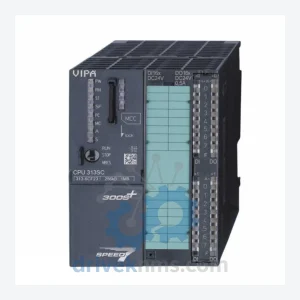
Vipa CPU313SC 313-6CF13 is listed for S7-300 RFQ review. Confirm quantity, condition and destination before quotation.