
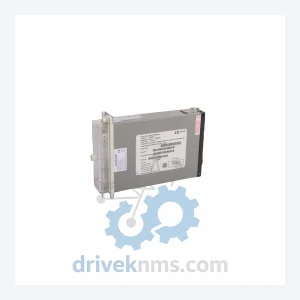
ALSTOM MVAJ105RA0802A Protection Relay – MiCOM Series
Alstom MVAJ105RA0802A is listed for MiCOM Series RFQ review. Confirm quantity, condition and destination before quotation.
RFQ-ready industrial model
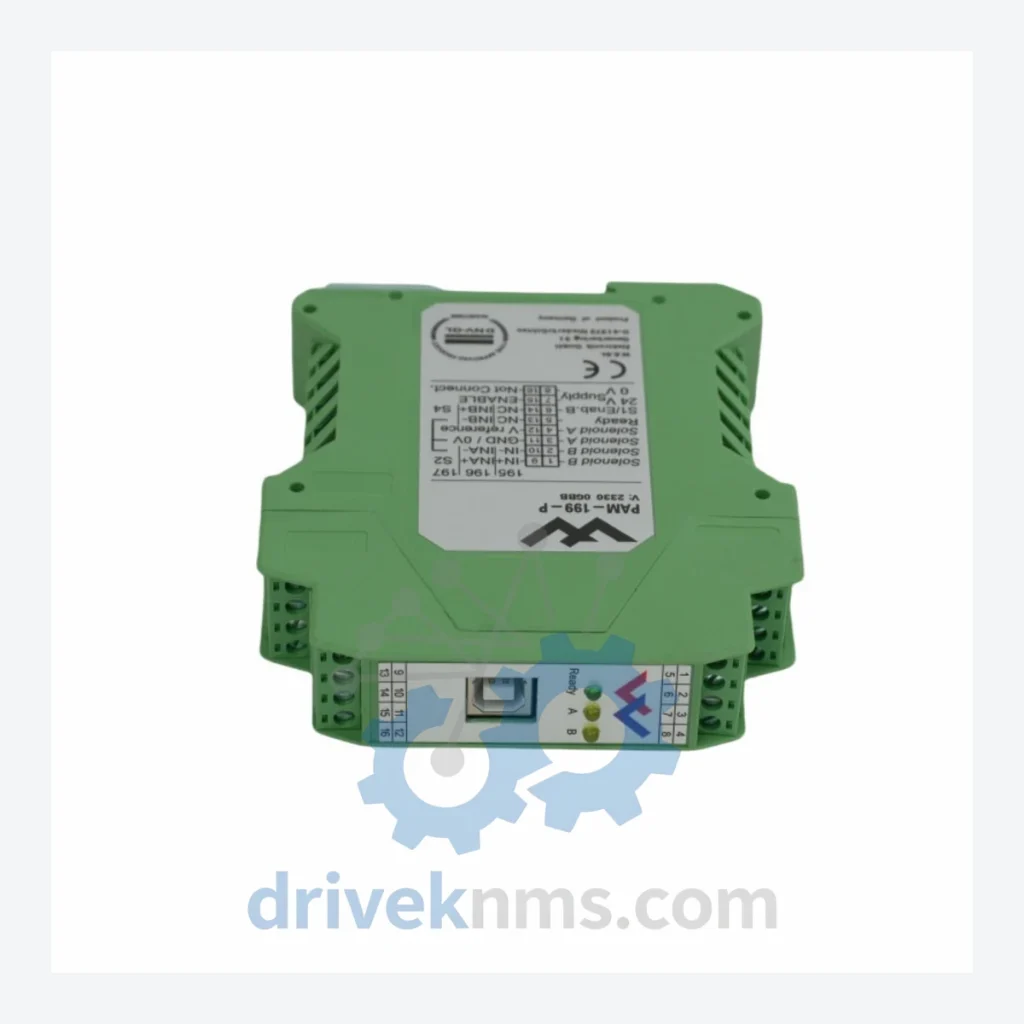
Model: D-41372/PAM-199-P
Product Overview
Commercial availability is handled through direct RFQ, model verification and export-oriented follow-up rather than public cart checkout.
Datasheet Preview
Use attached product manuals when available. If the manual is not public yet, request the full file directly through RFQ.
Commercial Path
Product pages on DRIVEKNMS are designed to verify model, brand and series first, then move the buyer into one clean quotation path.
Technical Dossier
RFQ support for obsolete parts: Send the model number, required quantity and destination so DriveKNMS can confirm sourcing options before quotation.
| Parameter | Detail |
|---|---|
| Manufacturer | W.E.ST. Elektronik GmbH |
| Part Number | D-41372/PAM-199-P |
| Series | PAM |
| Function | Power Amplifier Module |
| Country of Origin | Germany |
| Product Status | Discontinued / End-of-Life (EOL) |
| Replacement Availability | No direct OEM replacement. Spare part sourcing only. |
Note: Electrical parameters for this discontinued module are not published in current documentation. DriveKNMS does not fabricate specifications. Buyers requiring detailed electrical data should contact us directly — we will cross-reference available technical documentation prior to shipment.
W.E.ST. Elektronik's PAM series amplifier cards were widely deployed in precision motion control and servo drive applications across European and Asian manufacturing facilities throughout the 1990s and 2000s. These modules typically interface with legacy CNC controllers, winding machines, and positioning systems that remain in productive service today — not because operators are unaware of their age, but because the mechanical and process infrastructure surrounding them represents decades of calibration and capital investment.
When the OEM discontinues a module like the D-41372/PAM-199-P, the plant faces a hard choice: source the original part and maintain the existing system, or commit to a full platform migration. The migration path is rarely straightforward. It involves not only hardware replacement but also PLC reprogramming, HMI reconfiguration, safety system re-validation, and in regulated industries, re-certification of the production process itself. A single obsolete amplifier card, properly sourced, can defer that entire cost by five to ten years.
This is the operational logic behind maintaining a strategic spare parts inventory for legacy drive systems. The D-41372/PAM-199-P is not a consumable — it is a load-bearing component in a system architecture that was engineered to last. Treating it as such, and securing RFQ-reviewed sourcing status before the next failure event, is a straightforward risk management decision.
All obsolete and legacy modules supplied by DriveKNMS pass a structured 5-step quality process before dispatch:
Factory managers operating legacy motion control or servo drive systems face a structural problem: the equipment works, the process is stable, but the components that keep it running are no longer manufactured. The standard industry response — wait for a failure, then scramble — is the most expensive approach available. A more defensible strategy involves three steps.
First, identify the single-point-of-failure components in each critical machine. Power amplifier modules, servo drive cards, and communication interface boards are the most common culprits. These are the parts that, when they fail, stop the line immediately and have no off-the-shelf substitute.
Third, document the configuration. Record firmware versions, DIP switch settings, and any site-specific calibration data for each legacy module in service. This documentation ensures that a replacement can be installed correctly by maintenance staff without specialist support.
Continue The Model Path
Move from this exact model into the matching system hub, brand archive, model-family archive or lifecycle sourcing route before sending a final RFQ list.
Related Paths
Alstom MVAJ105RA0802A is listed for MiCOM Series RFQ review. Confirm quantity, condition and destination before quotation.
Moore 16137-174 is listed for Servo Drives RFQ review. Confirm quantity, condition and destination before quotation.
Fuji Electric EP-3364B-CA-Z2 is listed for FRENIC Series RFQ review. Confirm quantity, condition and destination before quotation.