Products / Woodward / 376 Analog I/O Module
Woodward 376 Analog I/O Module

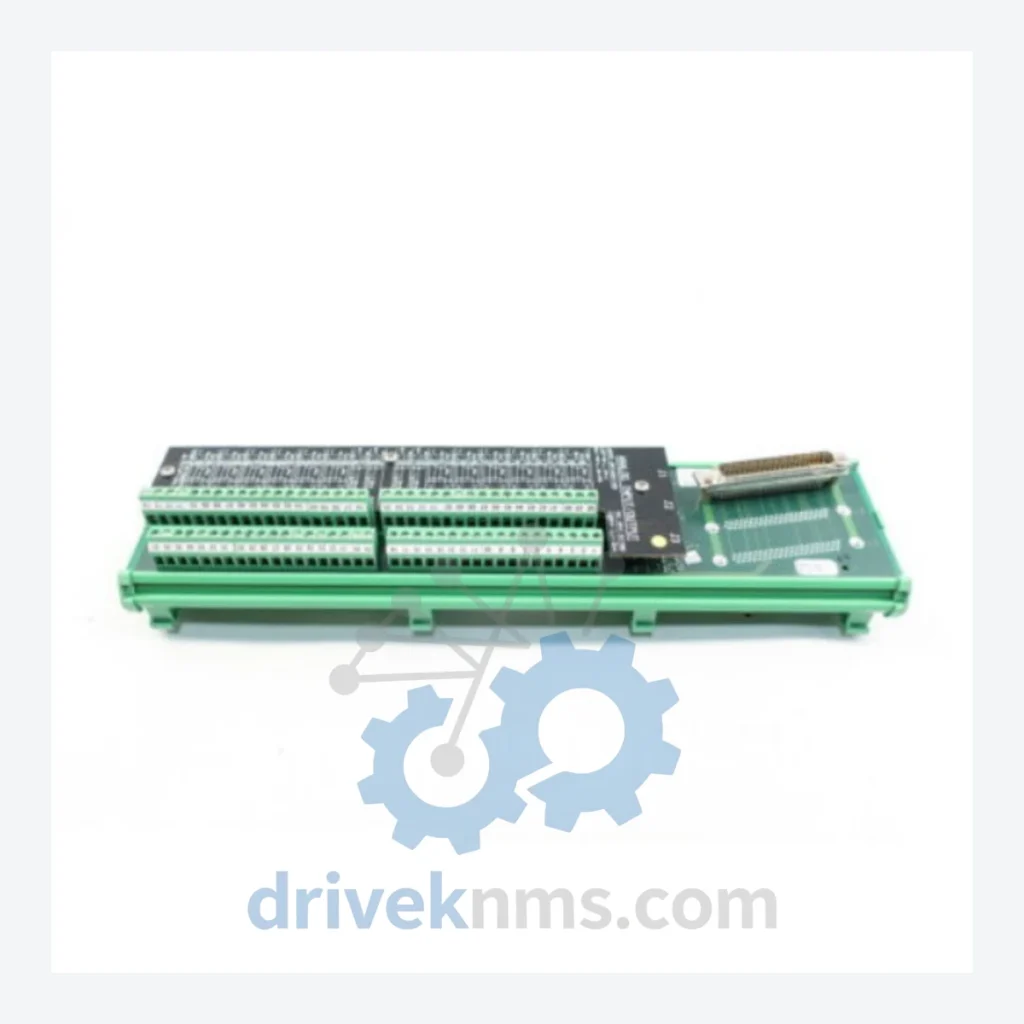
Woodward 5501-376 Analog I/O Module – Obsolete MicroNet Spare Part

Model: 5501-376

Brand Woodward
Series 376 Analog I/O Module
Model 5501-376
RFQ-ready model route Obsolete and surplus sourcing Export follow-up by model list

Product Overview

Commercial availability is handled through direct RFQ, model verification and export-oriented follow-up rather than public cart checkout.

Datasheet Preview

Datasheet Preview

Use attached product manuals when available. If the manual is not public yet, request the full file directly through RFQ.

Request Full Manual

Commercial Path

Use This Page To Confirm The Model, Then Move To RFQ

Product pages on DRIVEKNMS are designed to verify model, brand and series first, then move the buyer into one clean quotation path.

Technical Dossier

Product Details And Specifications

Woodward 5501-376 Analog I/O Module – Obsolete MicroNet Spare Part

When a Woodward 5501-376 Analog I/O Module fails in a legacy turbine or generator control system, the consequences extend far beyond a single line item on a maintenance budget. A full control system upgrade — encompassing engineering assessment, new hardware procurement, software migration, commissioning, and production downtime — routinely runs into the hundreds of thousands, and in complex power generation or oil & gas installations, into the millions of dollars. The 5501-376 is a discontinued component. Woodward no longer manufactures or supports it through standard channels. DriveKNMS maintains verified physical stock of this module, sourced through controlled industrial channels, for facilities that cannot afford to gamble on system continuity.

Technical Specifications

Part Number 5501-376
Manufacturer Woodward
Series MicroNet
Module Type Analog I/O Module
Product Status Discontinued / Obsolete
Country of Origin United States
Typical Application Turbine control, generator management, industrial process control
Compatible Systems Woodward MicroNet TMR, MicroNet Plus

Note: Electrical parameters such as input/output channel count, voltage range, and signal resolution are not published here to avoid inaccuracy. Verified datasheet and configuration details are provided upon confirmed inquiry.

Solving the Discontinued Hardware Crisis

The Woodward MicroNet platform — including the MicroNet TMR and MicroNet Plus variants — has been deployed across gas turbines, steam turbines, and reciprocating engines in power plants, refineries, and compressor stations worldwide. These systems were engineered for 20- to 30-year operational lifespans, and many remain in active service well beyond their original design horizon.

The 5501-376 Analog I/O Module sits at the interface between the physical process and the control logic. It converts real-world analog signals — temperatures, pressures, valve positions, speed references — into data the MicroNet controller can act on. When this module degrades or fails, the entire control loop is compromised. There is no software patch for a failed I/O module. There is no firmware update that restores a corroded analog channel.

Facilities facing this situation have three realistic options: locate a verified spare, accept unplanned downtime while searching the open market, or commit to a full system replacement. The first option costs a fraction of the other two. The challenge is that the 5501-376 is no longer in production, and the pool of available units shrinks with every failure across the installed base globally.

How to extend your MicroNet system life by 5 to 10 years through strategic spare parts management:

  • Conduct a criticality audit. Map every I/O module in your MicroNet rack against its failure history and lead time risk. The 5501-376 and similar analog modules are high-criticality, long-lead items. Treat them accordingly.
  • Establish a minimum stock position. For a system with no viable replacement path, holding one to two verified spare modules on-site is not over-investment — it is the minimum responsible posture. The cost of a single day of unplanned turbine downtime in most facilities exceeds the cost of a spare module by an order of magnitude.
  • Source before failure, not after. The open market for obsolete Woodward components tightens every year. Procurement teams that wait for a failure event to begin sourcing face inflated prices, unverified sellers, and extended lead times. Facilities that maintain a pre-positioned spare avoid all three.
  • Document your configuration baseline. Before any module swap, capture the full configuration state of your MicroNet system. This protects against configuration drift during maintenance and ensures the replacement module is commissioned to the correct parameters.
  • Engage a specialist supplier with traceability. Not all surplus market stock is equal. Modules that have been improperly stored, subjected to electrostatic discharge, or run beyond their rated hours present a reliability risk that negates the value of the spare. Require documentation of storage conditions and inspection history.

A disciplined spare parts strategy for legacy Woodward MicroNet systems is not a cost center. It is the mechanism by which a facility defers a multi-million dollar capital project by five to ten years while maintaining full operational capability.

Condition & Reliability Assurance

Every 5501-376 unit processed by DriveKNMS passes a structured 5-step inspection protocol before it is offered for sale. This protocol is designed specifically for the failure modes common to aging analog I/O hardware:

  1. Electrolytic capacitor assessment. Aging electrolytic capacitors are the primary failure mechanism in legacy analog modules. Each unit is inspected for capacitor bulging, electrolyte leakage, and ESR deviation. Units with degraded capacitors are not offered as functional spares.
  2. Firmware version verification. Where applicable, the firmware revision is documented and cross-referenced against known compatibility requirements for MicroNet system versions. Mismatched firmware is a known source of integration failures.
  3. Pin and connector corrosion inspection. Backplane connectors and I/O terminal pins are inspected under magnification for oxidation, pitting, and mechanical deformation. Corroded contacts are the second most common cause of intermittent analog signal faults in legacy systems.
  4. Board-level visual inspection. PCB traces, solder joints, and component seating are examined for cold joints, cracked traces, and physical damage consistent with thermal cycling or vibration stress.
  5. Functional verification. Where test equipment permits, modules undergo power-on verification to confirm basic operational status prior to shipment.

Key Features for System Maintenance

  • Drop-in replacement. The 5501-376 is a direct form-fit-function replacement for the original module position in the MicroNet rack. No hardware modification to the chassis is required.
  • No reprogramming required. The MicroNet controller retains its configuration independently of the I/O module hardware. Replacing the 5501-376 does not require re-engineering the control application or reconfiguring the turbine management logic.
  • Avoids engineering reconstruction costs. A like-for-like module replacement eliminates the need for control system re-engineering, re-commissioning, and the associated production interruption. The cost differential between a spare module and a system migration project is not marginal — it is structural.
  • Immediate dispatch. Stock on hand. No lead time uncertainty associated with new production or third-party fabrication.

FAQ

What warranty applies to the 5501-376?
DriveKNMS provides a 90-day warranty covering functional defects identified under normal operating conditions. Given the obsolete status of this component, we recommend customers treat the purchased unit as a working spare and maintain it in controlled storage conditions.

How do I know the unit is genuine and not counterfeit?
All units are sourced through documented industrial channels. Physical markings, board revision codes, and component configurations are cross-referenced against known genuine examples. We do not offer units where provenance cannot be established.

Should I buy more than one unit?
For any facility operating MicroNet-based turbine control with no near-term migration plan, holding a minimum of one spare 5501-376 on-site is advisable. Given declining market availability, procurement of a second unit for long-term storage is a defensible asset protection decision.

What condition are the units in?
Units are offered as inspected surplus — either new old stock (NOS) where available, or professionally inspected refurbished units that have passed the 5-step QA protocol described above. Condition is specified per unit at the time of quotation.

Can you source additional quantity?
Contact us with your requirement. We maintain active sourcing networks for obsolete Woodward components and can advise on availability and lead time.

WhatsApp Prefilled Inquiry Email sale@driveknms.com Phone +86 18359293191 Top Back To Top