
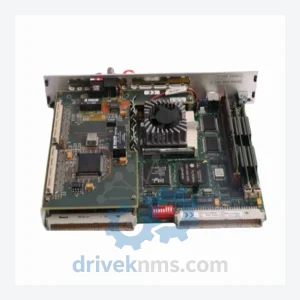
Xycom XVME Modules XVME-500
Xycom XVME 500 is listed for Controller Cards RFQ review. Confirm quantity, condition and destination before quotation.
RFQ-ready industrial model
Model: XVME-113
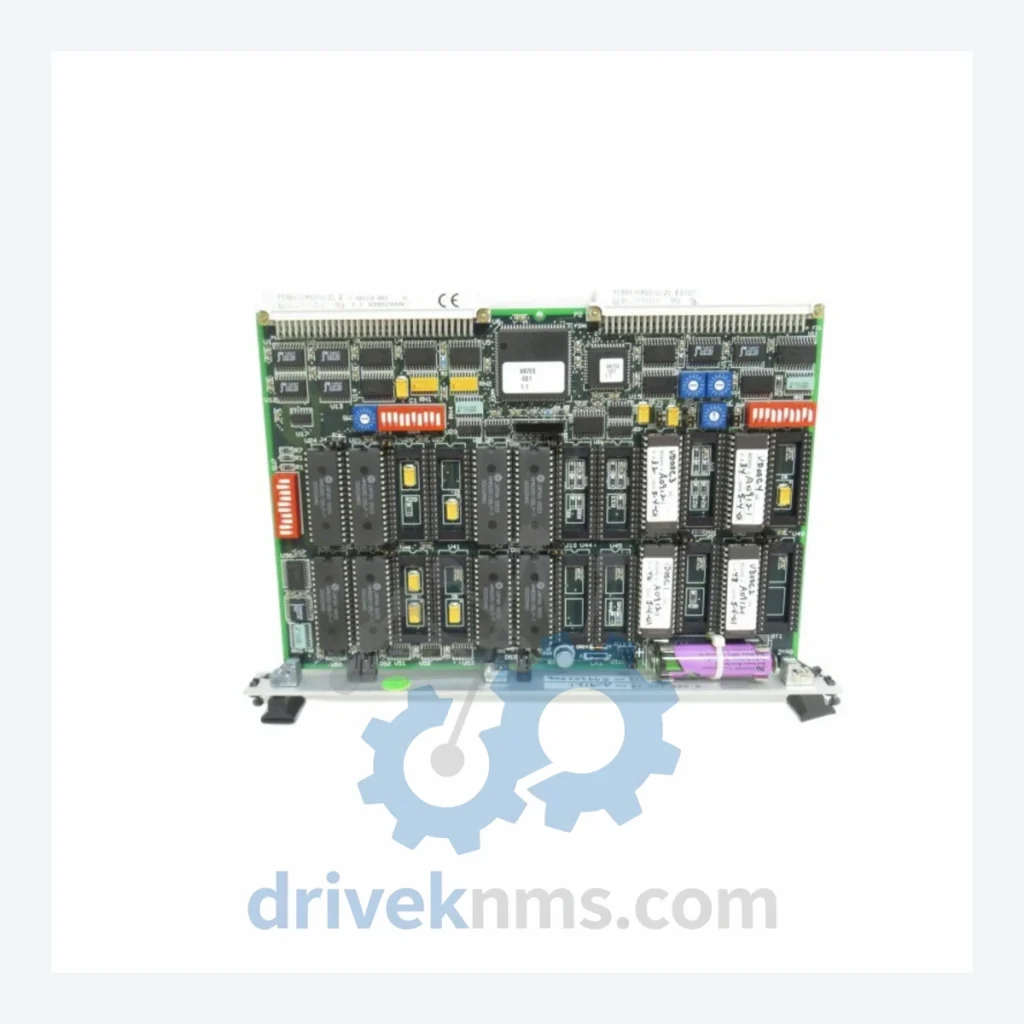
Product Overview
Commercial availability is handled through direct RFQ, model verification and export-oriented follow-up rather than public cart checkout.
Datasheet Preview
Use attached product manuals when available. If the manual is not public yet, request the full file directly through RFQ.
Commercial Path
Product pages on DRIVEKNMS are designed to verify model, brand and series first, then move the buyer into one clean quotation path.
Technical Dossier
The XYCOM XVME series represents one of the most widely deployed VMEbus-based I/O and control module families in global heavy industry. Installed across petrochemical refineries, nuclear power generation facilities, offshore platforms, and continuous-process chemical plants, XVME modules have served as the backbone of distributed control architectures since the early 1980s. Their IEEE 1014-1987 (VMEbus) compliance, combined with XYCOM's proprietary backplane arbitration logic, made them the preferred choice for system integrators requiring deterministic real-time performance in safety-critical environments. The XVME-113, a relay output module, is among the most frequently requested spare parts in this series due to its role in discrete output control within legacy DCS and SCADA installations.
XYCOM introduced the XVME platform in the early 1980s as a VMEbus-compliant modular I/O system targeting industrial automation OEMs. The first-generation modules (XVME-010 through XVME-100 range) established the physical form factor: single-width 6U VMEbus boards with front-panel I/O connectors and a standardized P1/P2 backplane interface. These early modules relied on parallel bus arbitration and were compatible with Motorola 68000-series CPU boards common in that era.
The second generation (XVME-100 through XVME-400 range) introduced enhanced interrupt handling, higher channel density, and improved EMI shielding — critical for deployment in electrically noisy refinery and power plant environments. The XVME-113 belongs to this generation, offering 16-channel relay output with individual channel status feedback, a specification that remained unchanged through its production life.
By the mid-1990s, XYCOM transitioned its development focus toward PC-based industrial computing platforms (the XPEDITE and XYCOM Automation lines), effectively placing the XVME series into a maintenance-only lifecycle. No new XVME module variants were introduced after approximately 1998. The entire series is now classified as end-of-life (EOL) by the successor organization, with no factory repair or replacement support available. This makes third-party spare parts sourcing the only viable path for facilities still operating XVME-based control systems.
The following SKUs represent verified, commonly stocked modules within the XYCOM XVME series, organized by functional category:
Relay & Discrete Output Modules
XVME-113: 16-channel relay output, SPDT contacts, 2A/30VDC per channel
XVME-114: 32-channel TTL-compatible digital output, VMEbus D16 interface
XVME-116: 16-channel isolated digital output, 24VDC solid-state, optocoupled
XVME-117: 32-channel open-collector output, 500mA sink capacity per channel
Digital Input Modules
XVME-110: 32-channel TTL digital input, edge-triggered interrupt, D16 bus width
XVME-111: 16-channel isolated digital input, 24VDC, optocoupled, group isolation
XVME-112: 48-channel digital I/O, configurable per-port direction, 8255-compatible
XVME-118: 64-channel digital input, non-isolated, high-density front connector
Analog Input / Output Modules
XVME-120: 16-channel 12-bit analog input, ±10V or 0–10V range, single-ended
XVME-121: 8-channel 12-bit differential analog input, programmable gain (1–1000)
XVME-122: 4-channel 12-bit analog output, 0–10V or ±10V, simultaneous update
XVME-123: 16-channel 16-bit analog input, low-noise, for precision process measurement
Counter / Timer Modules
XVME-140: 4-channel 16-bit counter/timer, Am9513-based, 5MHz clock input
XVME-141: 8-channel pulse-width modulation output, 16-bit resolution, 10kHz max
CPU & Communication Modules
XVME-010: Motorola 68010 CPU board, 8MHz, 512KB RAM, VMEbus master/slave
XVME-012: Motorola 68020 CPU board, 16MHz, 2MB RAM, on-board SCSI interface
XVME-230: Serial communication module, 4-port RS-232/RS-422, FIFO buffered
XVME-240: IEEE-488 (GPIB) interface module, talker/listener/controller modes
Customers requiring multiple XVME modules for a single shutdown event are encouraged to submit a consolidated bill-of-materials (BOM) list for batch sourcing and pricing.
XVME modules present specific testing challenges due to their VMEbus backplane dependency: functional verification requires a live VMEbus chassis with a compatible CPU board and system controller. DriveKNMS operates dedicated XYCOM VMEbus test rigs configured with XVME-010 and XVME-012 CPU boards, allowing full functional testing of I/O modules under realistic bus conditions.
Continue The Model Path
Move from this exact model into the matching system hub, brand archive, model-family archive or lifecycle sourcing route before sending a final RFQ list.
Related Paths
Xycom XVME 500 is listed for Controller Cards RFQ review. Confirm quantity, condition and destination before quotation.
Xycom XVME-600 70600-001 is listed for Servo Drives RFQ review. Confirm quantity, condition and destination before quotation.
Xycom XVME-600 70600-002 is listed for VMEbus Series RFQ review. Confirm quantity, condition and destination before quotation.