
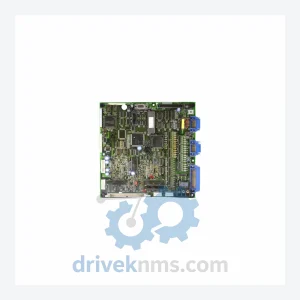
Yaskawa YPHT11014-1A Circuit Board – Obsolete Drive Control Spare Part
Yaskawa YPHT11014-1A is listed for Servo Drives RFQ review. Confirm quantity, condition and destination before quotation.
RFQ-ready industrial model
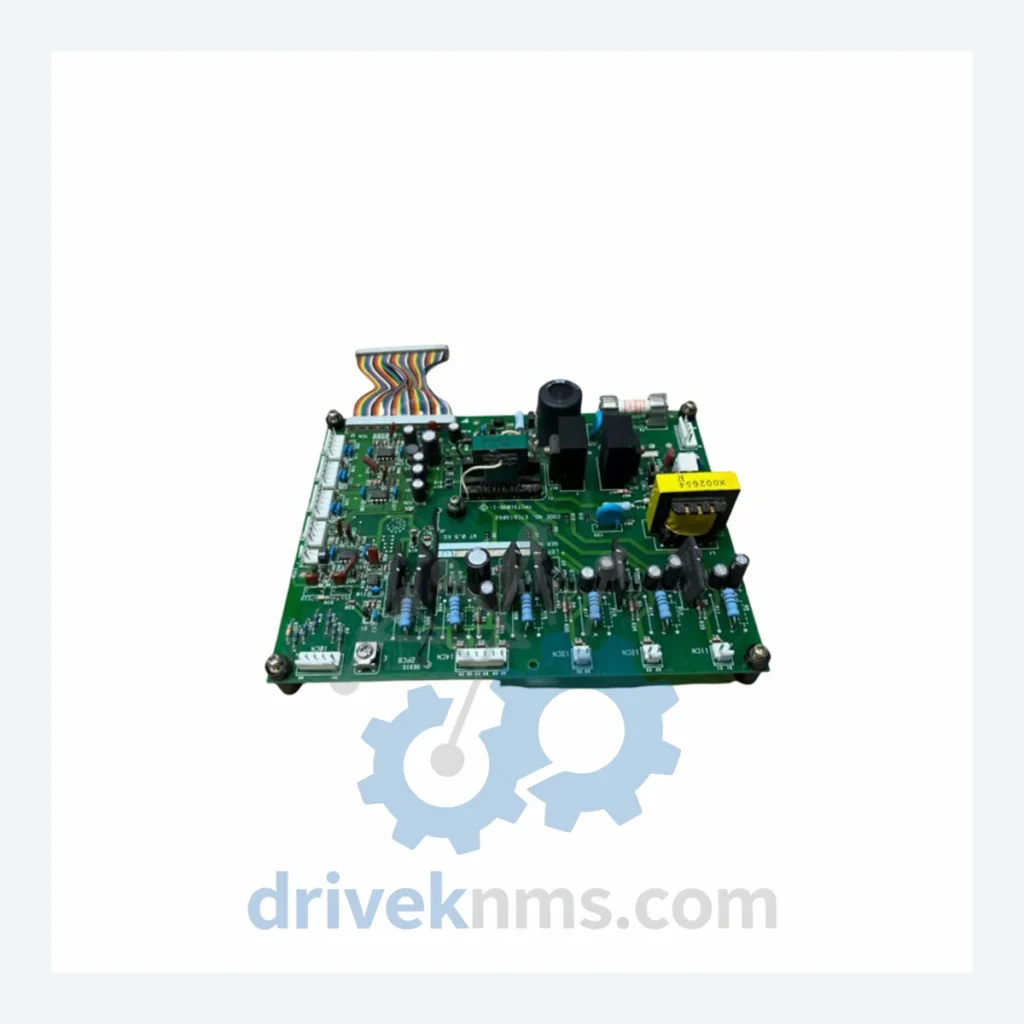
Model: YPCT11065-1-3
Product Overview
Commercial availability is handled through direct RFQ, model verification and export-oriented follow-up rather than public cart checkout.
Datasheet Preview
Use attached product manuals when available. If the manual is not public yet, request the full file directly through RFQ.
Commercial Path
Product pages on DRIVEKNMS are designed to verify model, brand and series first, then move the buyer into one clean quotation path.
Technical Dossier
DriveKNMS reviews sourcing options for this model through RFQ handling before quotation.
RFQ support for obsolete parts: Send the model number, required quantity and destination so DriveKNMS can confirm sourcing options before quotation.
Note: Electrical parameters specific to drive frame size and voltage class are not published here to prevent misapplication. Contact our technical team to confirm compatibility with your exact drive model and revision.
The Yaskawa Varispeed platform — spanning the G5, F7, and G7 drive families — was deployed extensively across process industries, HVAC systems, material handling lines, and precision machine tools throughout the 1990s and 2000s. These drives are embedded in production infrastructure that was engineered around their specific control behavior, communication protocols, and physical form factors. Replacing them is not a matter of swapping hardware; it requires re-engineering the control architecture.
The YPCT11065-1-3 is a control-side PCB responsible for signal processing and drive regulation functions within its host unit. When this board degrades — typically through electrolytic capacitor failure, trace corrosion from humidity exposure, or firmware-related faults — the drive becomes inoperable. Because Yaskawa no longer manufactures or distributes this board, facilities without a pre-positioned spare face an unplanned system outage with no fast-path resolution through official channels.
The decision to retire a functioning automation system is rarely driven by technical necessity alone — it is usually forced by the inability to source spare parts. This is a procurement problem, not an engineering one, and it is solvable.
For plant managers and maintenance engineers operating legacy Yaskawa Varispeed installations, the following approach has been used successfully to extend asset service life by a decade or more without capital expenditure on new drive platforms:
1. Conduct a critical-board audit. Identify every control board variant installed across your drive population. The YPCT11065-1-3 is one such variant. Map which drives carry which board revision.
2. Establish a minimum spare holding. For any board that is discontinued and installed in more than two drives, hold a minimum of one spare per three units in service. For single-unit critical applications, hold one dedicated spare.
3. Source from verified secondary-market suppliers. OEM channels are closed for discontinued parts. Reputable industrial spare parts distributors with documented QA processes are the only reliable source. Verify that the supplier performs functional testing and provides traceability documentation.
4. Implement a scheduled inspection cycle. Electrolytic capacitors in drive control boards have a finite service life — typically 10–15 years under normal operating conditions. Boards approaching this threshold should be inspected and, where necessary, recapped before failure occurs.
5. Document firmware versions. Control boards in Varispeed drives carry firmware that governs drive behavior. When replacing a board, confirm that the firmware revision on the replacement matches the original to avoid parameter incompatibility.
This approach converts a reactive maintenance posture into a managed asset protection strategy. The capital cost is low. The operational risk reduction is substantial.
All YPCT11065-1-3 boards supplied by DriveKNMS pass a structured 5-step inspection protocol before dispatch:
Step 1 – Visual and Physical Inspection: Full board examination for mechanical damage, burnt components, cracked solder joints, and PCB delamination.
Step 3 – Firmware Version Verification: Where readable, firmware revision is documented and disclosed to the buyer prior to shipment.
Step 4 – Pin and Connector Inspection: All edge connectors and pin headers are examined for oxidation, corrosion, and mechanical deformation. Affected contacts are cleaned or the board is rejected.
Step 5 – Functional Cross-Reference Check: Board part number, revision marking, and label data are cross-referenced against known Yaskawa documentation to confirm correct identification before dispatch.
Q: Can you confirm compatibility with my specific drive model before I order?
A: Yes. Provide your drive model number, nameplate data, and existing board revision marking, and our technical team will confirm compatibility before you commit to a purchase.
Continue The Model Path
Move from this exact model into the matching system hub, brand archive, model-family archive or lifecycle sourcing route before sending a final RFQ list.
Related Paths
Yaskawa YPHT11014-1A is listed for Servo Drives RFQ review. Confirm quantity, condition and destination before quotation.
Yaskawa YPHT31033-1-1 73600-A0101 is listed for Servo Drives RFQ review. Confirm quantity, condition and destination before quotation.
Yaskawa YPCT11065-1-4 is listed for G7 / F7 Series RFQ review. Confirm quantity, condition and destination before quotation.