
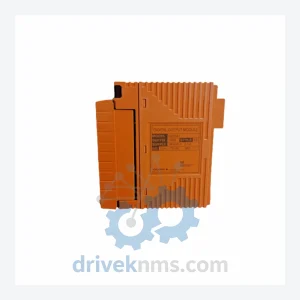
YOKOGAWA CENTUM VP / CS 3000 SDV531-S63 Digital Output Module
Yokogawa SDV531-S63 is listed for CENTUM VP RFQ review. Confirm quantity, condition and destination before quotation.
RFQ-ready industrial model
Model: AAI543-S00
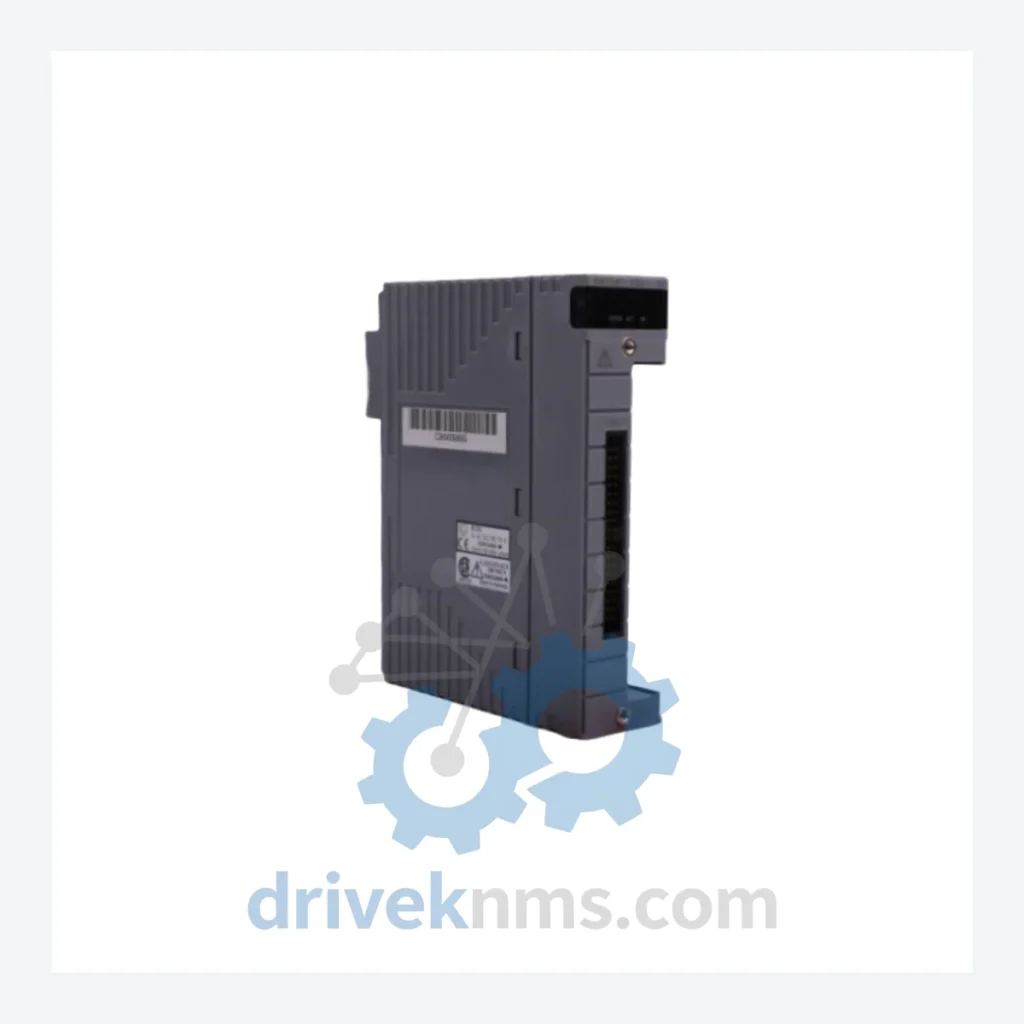
Product Overview
Commercial availability is handled through direct RFQ, model verification and export-oriented follow-up rather than public cart checkout.
Datasheet Preview
Use attached product manuals when available. If the manual is not public yet, request the full file directly through RFQ.
Commercial Path
Product pages on DRIVEKNMS are designed to verify model, brand and series first, then move the buyer into one clean quotation path.
Technical Dossier
The Yokogawa AAI/AAO analog I/O module series is a core field I/O component deployed across the CENTUM VP and CENTUM CS 3000 Distributed Control Systems (DCS). These modules are installed in continuous-process industries including petroleum refining, petrochemical complexes, LNG terminals, nuclear power auxiliary systems, pulp and paper mills, and large-scale chemical plants. The AAI543-S00 specifically is a 16-channel analog output module operating on the Vnet/IP or ESB bus architecture, designed for direct integration into Field Control Stations (FCS). With a global installed base spanning hundreds of refineries and chemical facilities across Asia, the Middle East, and Europe, this module family represents one of the most widely deployed analog I/O platforms in heavy industry DCS infrastructure.
Yokogawa's analog I/O module architecture has evolved through three distinct platform generations. The first generation, introduced with the CENTUM CS system in the early 1990s, used proprietary ESB (Extended Station Bus) backplane communication with 4–20 mA signal conditioning integrated at the module level. The second generation, aligned with CENTUM CS 3000 (released 1998), introduced dual-redundancy support, improved HART pass-through capability, and modular terminal unit (MTU) separation, allowing field wiring to remain intact during module replacement. The third generation, under CENTUM VP (released 2008 onward), migrated to Vnet/IP Ethernet-based control bus while maintaining backward compatibility with CS 3000 I/O modules through the use of compatible FCS hardware. The AAI543-S00 belongs to this mature third-generation ecosystem. As of 2026, the CENTUM VP platform remains in active support, though many CS 3000-era modules are classified as mature/last-time-buy, making certified aftermarket sourcing critical for long-term plant operations.
Analog Input Modules (AI)
Analog Output Modules (AO)
Continue The Model Path
Move from this exact model into the matching system hub, brand archive, model-family archive or lifecycle sourcing route before sending a final RFQ list.
Related Paths
Yokogawa SDV531-S63 is listed for CENTUM VP RFQ review. Confirm quantity, condition and destination before quotation.
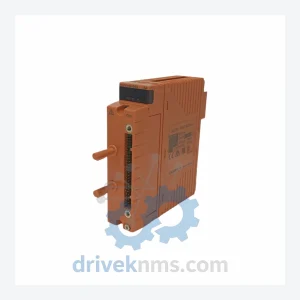
Yokogawa SDV144-S63/PRP S4 is listed for CENTUM VP RFQ review. Confirm quantity, condition and destination before quotation.
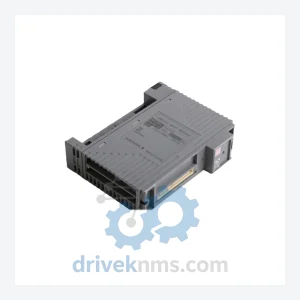
Yokogawa AAI143-H53 S1 is listed for CENTUM VP RFQ review. Confirm quantity, condition and destination before quotation.