
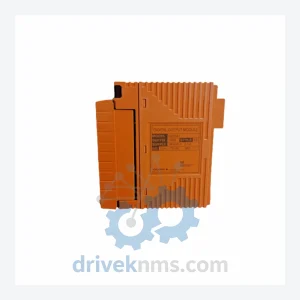
YOKOGAWA CENTUM VP / CS 3000 SDV531-S63 Digital Output Module
Yokogawa SDV531-S63 is listed for CENTUM VP RFQ review. Confirm quantity, condition and destination before quotation.
RFQ-ready industrial model
Model: AAR181-S00
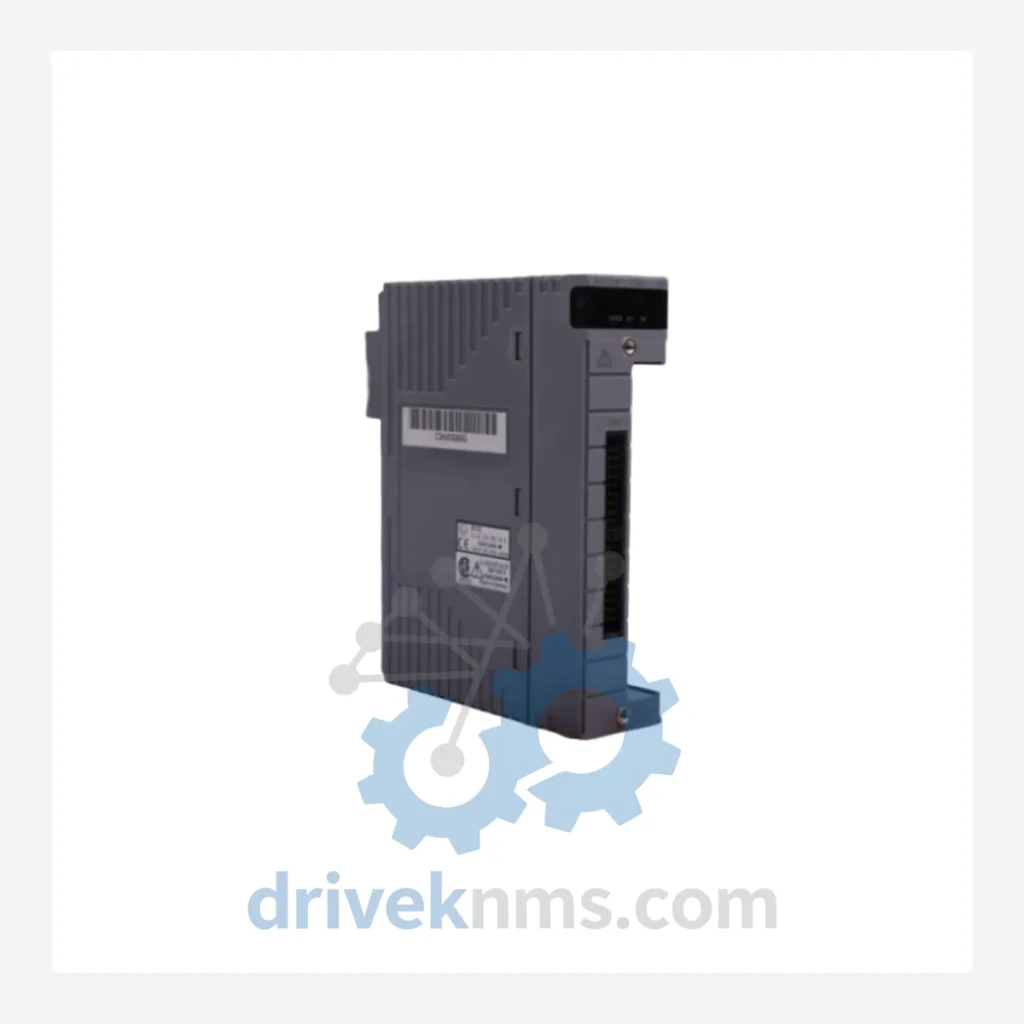
Product Overview
Commercial availability is handled through direct RFQ, model verification and export-oriented follow-up rather than public cart checkout.
Datasheet Preview
Use attached product manuals when available. If the manual is not public yet, request the full file directly through RFQ.
Commercial Path
Product pages on DRIVEKNMS are designed to verify model, brand and series first, then move the buyer into one clean quotation path.
Technical Dossier
RFQ support for obsolete parts: Send the model number, required quantity and destination so DriveKNMS can confirm sourcing options before quotation.
| Parameter | Detail |
|---|---|
| Part Number | AAR181-S00 |
| Manufacturer | Yokogawa Electric Corporation |
| Module Type | RTD (Resistance Temperature Detector) Input Module |
| Compatible Platform | Yokogawa CENTUM VP, CENTUM CS 3000 |
| Series | CENTUM VP / CS 3000 Field Control Station (FCS) |
| Country of Origin | Japan |
| Lifecycle Status | Discontinued / Obsolete – No longer manufactured by Yokogawa |
| Condition Available | New surplus / Refurbished (tested, certified) |
Note: Electrical parameters such as channel count, input range, and accuracy specifications are not listed here to avoid inaccurate data. Please contact us with your system documentation for confirmation against your specific FCS configuration.
The Yokogawa CENTUM VP and its predecessor CENTUM CS 3000 represent decades of capital investment in process automation infrastructure across refining, petrochemical, power generation, and pharmaceutical manufacturing. These platforms were engineered for 20–30 year operational lifespans, and many facilities are now operating well into that window with no viable migration path that does not require a full process shutdown and re-engineering cycle.
The AAR181-S00 RTD input module sits at the measurement layer of the FCS architecture. It converts resistance signals from RTD sensors — typically PT100 or PT1000 elements — into digital process values consumed by the control logic. There is no generic substitute. The module communicates over Yokogawa's proprietary internal bus, uses firmware that must match the FCS revision, and occupies a specific slot assignment within the I/O nest. Replacing it with a module from a different generation or a different manufacturer is not a configuration change — it is a re-engineering project.
For plant managers facing pressure to retire aging DCS infrastructure, the arithmetic is straightforward: a single AAR181-S00 sourced today at a fraction of a percent of system replacement cost can defer a multi-million dollar migration by five to ten years. That deferral window allows facilities to align upgrades with planned turnarounds, secure capital budget approval on their own schedule, and avoid the operational risk of a forced cutover.
Obsolete modules sourced outside the original manufacturer's supply chain carry real risk. Age-related degradation is not always visible, and a module that powers on is not necessarily a module that will perform within specification under process conditions. Our five-step inspection protocol addresses the failure modes most commonly observed in long-stored or previously-installed CENTUM VP I/O modules:
Step 1 – Electrolytic Capacitor Assessment: Capacitors on the power conditioning and signal filtering circuits are inspected for bulging, electrolyte leakage, and ESR deviation. Aged capacitors are the leading cause of intermittent faults in stored modules and are replaced where necessary before the unit leaves our facility.
Step 2 – Firmware Version Verification: The module's firmware revision is read and documented. Customers receive this information prior to shipment so that compatibility with their specific FCS software version can be confirmed. Firmware mismatches in CENTUM systems can cause I/O nest communication errors that are difficult to diagnose in the field.
Step 3 – Connector and Pin Inspection: All backplane connectors and field terminal interfaces are examined under magnification for oxidation, corrosion, bent pins, and mechanical damage. Contact surfaces are cleaned where required. Connector integrity is the single most common cause of field installation failures in aged modules.
Step 4 – Functional Power-On Test: The module is powered and its self-diagnostic outputs are verified. Communication with the I/O bus is confirmed where test infrastructure permits.
Step 5 – Documentation and Packaging: Each unit ships with an inspection record, firmware version log, and anti-static packaging appropriate for sensitive process control electronics.
The AAR181-S00 is a direct drop-in replacement for the same part number within a compatible CENTUM VP or CS 3000 FCS nest. No re-engineering of the control strategy is required. The replacement procedure follows Yokogawa's standard hot-swap or cold-swap protocol depending on the FCS configuration, and the module inherits its channel assignments and scaling parameters from the FCS database without manual re-entry.
Can you source other Yokogawa CENTUM VP or CS 3000 modules?
Yes. DriveKNMS maintains inventory across the CENTUM VP and CS 3000 I/O module range. Contact us with your part numbers and we will confirm availability and condition.
Continue The Model Path
Move from this exact model into the matching system hub, brand archive, model-family archive or lifecycle sourcing route before sending a final RFQ list.
Related Paths
Yokogawa SDV531-S63 is listed for CENTUM VP RFQ review. Confirm quantity, condition and destination before quotation.
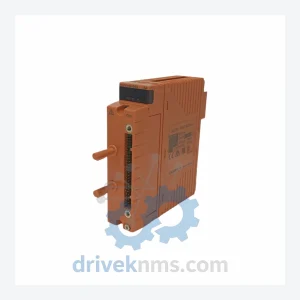
Yokogawa SDV144-S63/PRP S4 is listed for CENTUM VP RFQ review. Confirm quantity, condition and destination before quotation.
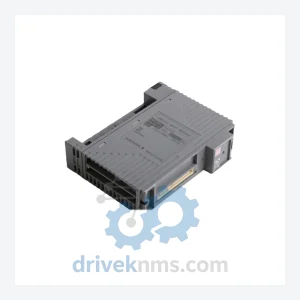
Yokogawa AAI143-H53 S1 is listed for CENTUM VP RFQ review. Confirm quantity, condition and destination before quotation.