
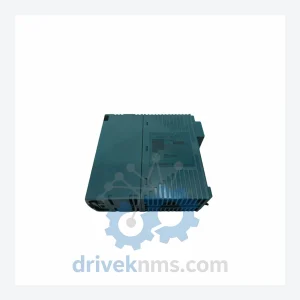
Yokogawa NFPW442-11 S2 Power Supply Module – CENTUM VP/CS 3000 Power Modules
Yokogawa NFPW442-11 S2 is listed for CENTUM VP RFQ review. Confirm quantity, condition and destination before quotation.
RFQ-ready industrial model
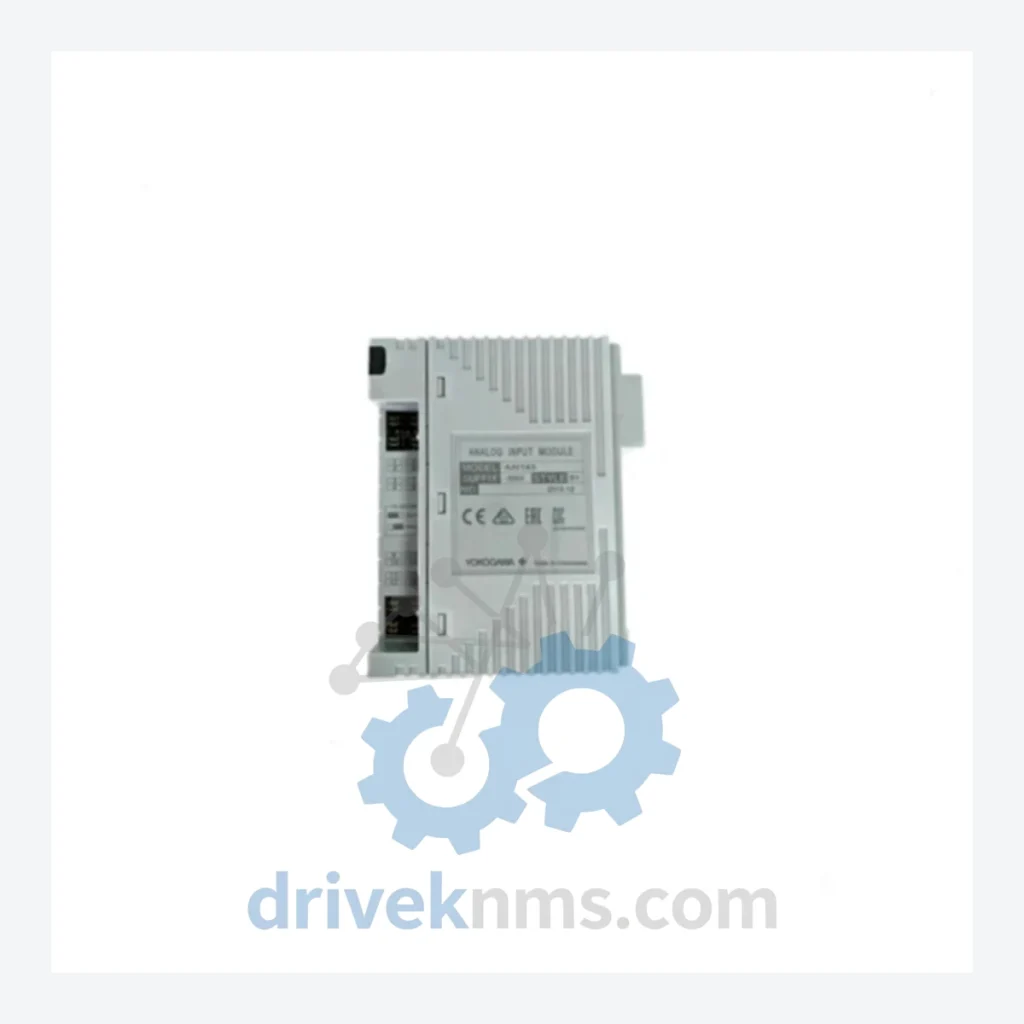
Model: AAR181-S03
Product Overview
Commercial availability is handled through direct RFQ, model verification and export-oriented follow-up rather than public cart checkout.
Datasheet Preview
Use attached product manuals when available. If the manual is not public yet, request the full file directly through RFQ.
Commercial Path
Product pages on DRIVEKNMS are designed to verify model, brand and series first, then move the buyer into one clean quotation path.
Technical Dossier
RFQ support for obsolete parts: Send the model number, required quantity and destination so DriveKNMS can confirm sourcing options before quotation.
| Parameter | Detail |
|---|---|
| Manufacturer | Yokogawa Electric Corporation |
| Part Number | AAR181-S03 |
| Module Type | RTD (Resistance Temperature Detector) Input Module |
| Compatible Platform | Yokogawa CENTUM VP, CENTUM CS 3000 |
| Country of Origin | Japan |
| Discontinuation Status | Discontinued / Obsolete – No longer in active production by Yokogawa |
| Form Factor | Plug-in I/O module for CENTUM field control station |
Note: Electrical parameters such as input range, channel count, and accuracy specifications are not listed here to avoid inaccurate data. Please contact us for the original Yokogawa datasheet or to verify compatibility with your specific system revision.
The Yokogawa CENTUM CS 3000 and early CENTUM VP platforms have been in service at refineries, chemical plants, and power generation facilities for over two decades. The AAR181-S03 RTD input module sits at a critical junction in these systems — it converts temperature sensor signals into process data that operators rely on for real-time decision-making. There is no generic substitute. The module communicates over Yokogawa's proprietary field bus architecture, and any replacement must match the original hardware revision to maintain firmware compatibility and avoid reconfiguration of the engineering database.
Yokogawa's official end-of-life policy for CS 3000 hardware means that OEM supply channels are closed or severely constrained. Plant engineers who have not pre-positioned spare inventory face a procurement gap that can stretch from weeks to months. During that window, the affected control loop either runs in manual mode — increasing operator workload and process risk — or the loop is taken offline entirely, reducing throughput. Neither outcome is acceptable in a continuous process environment.
For plant management teams facing pressure to justify continued operation of legacy DCS infrastructure rather than committing to a full system migration, the financial case is straightforward when examined carefully. A CENTUM CS 3000 or early CENTUM VP installation that is otherwise performing reliably does not require replacement simply because its hardware is no longer manufactured. The control logic, process tuning, and operator procedures embedded in that system represent institutional knowledge that cannot be transferred to a new platform without significant risk and cost.
All AAR181-S03 units supplied by DriveKNMS pass a structured five-step inspection protocol before dispatch review.
Step 1 – Visual and Physical Inspection: Each board is examined under magnification for mechanical damage, corrosion on connector pins, and solder joint integrity. Units with visible oxidation on I/O terminals are rejected at this stage.
Step 2 – Electrolytic Capacitor Assessment: Capacitor aging is the primary failure mode in legacy I/O hardware. We check for visible bulging, electrolyte leakage, and where test equipment permits, measure capacitance against rated values. Boards with suspect capacitors are flagged and not shipped as standard units.
Step 3 – Firmware and Label Verification: The hardware revision marking and any firmware version identifiers are recorded and cross-referenced against the customer's system revision requirements before dispatch. Mismatched revisions are disclosed prior to sale.
Q: How are RFQ terms confirmed?
A: Quantity, required condition, documentation needs, destination and sourcing route are confirmed during RFQ review before quotation.
Step 5 – Functional Pre-check (where test bench available): Where our test infrastructure supports it, modules are powered and basic signal response is verified. The test result is documented and included with the shipment.
Q: Can you support multi-unit or repeat RFQ requests?
A: Yes. Send the model list, target quantity and destination so DRIVEKNMS can review sourcing options and quote the requirement as a project RFQ.
Continue The Model Path
Move from this exact model into the matching system hub, brand archive, model-family archive or lifecycle sourcing route before sending a final RFQ list.
Related Paths
Yokogawa NFPW442-11 S2 is listed for CENTUM VP RFQ review. Confirm quantity, condition and destination before quotation.
Yokogawa NFDV561-P51 S2 is listed for CENTUM VP RFQ review. Confirm quantity, condition and destination before quotation.
Yokogawa NFCP501-S05 S1 is listed for CENTUM VP RFQ review. Confirm quantity, condition and destination before quotation.