
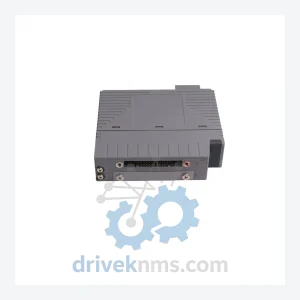
Yokogawa ADV159-P00 Digital Input Module – Obsolete CENTUM Series Spare Part
Yokogawa ADV159-P00 is listed for P00 Digital Input Module RFQ review. Confirm quantity, condition and destination before quotation.
RFQ-ready industrial model
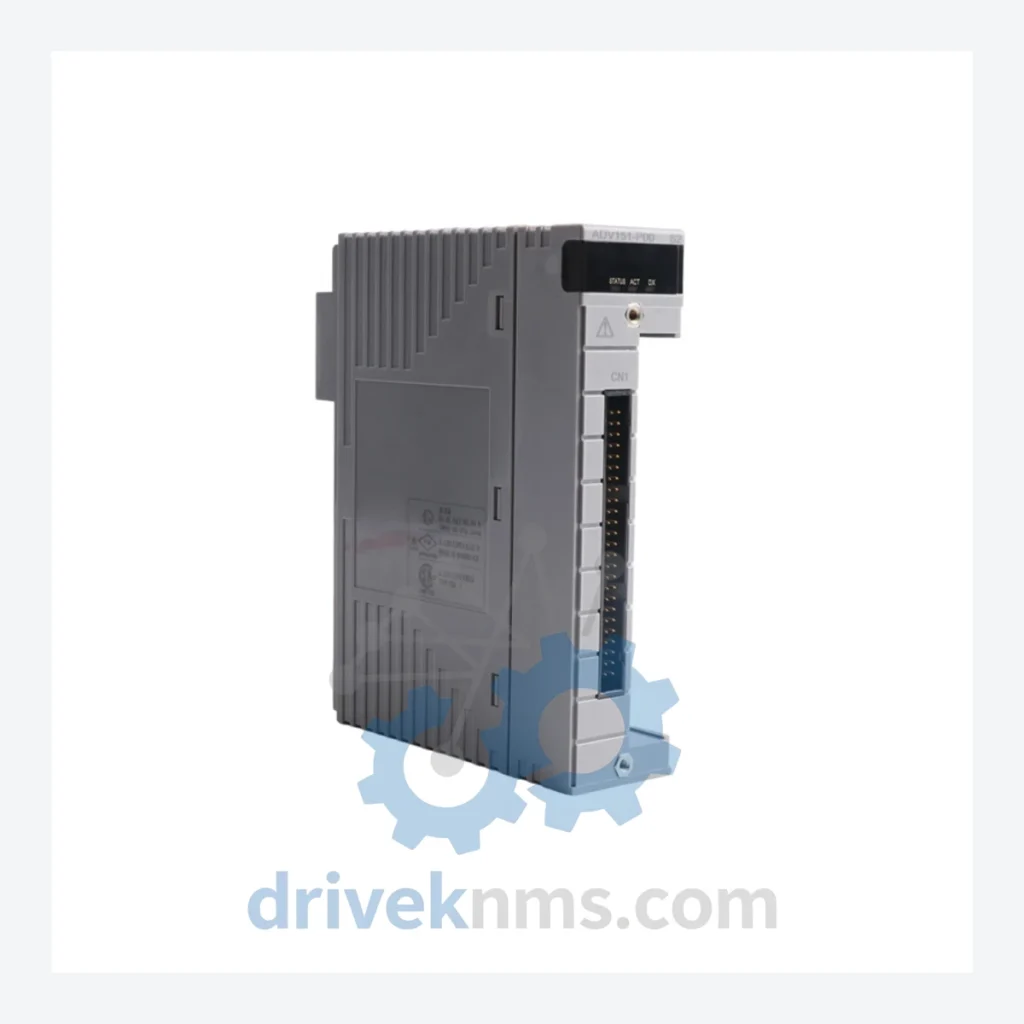
Model: ADV151-P00
Product Overview
Commercial availability is handled through direct RFQ, model verification and export-oriented follow-up rather than public cart checkout.
Datasheet Preview
Use attached product manuals when available. If the manual is not public yet, request the full file directly through RFQ.
Commercial Path
Product pages on DRIVEKNMS are designed to verify model, brand and series first, then move the buyer into one clean quotation path.
Technical Dossier
RFQ support for obsolete parts: Send the model number, required quantity and destination so DriveKNMS can confirm sourcing options before quotation.
| Parameter | Detail |
|---|---|
| Part Number | ADV151-P00 |
| Manufacturer | Yokogawa Electric Corporation |
| Module Type | Digital Input (DI) |
| Compatible Systems | Yokogawa CENTUM CS 3000, CENTUM VP |
| Country of Origin | Japan |
| Product Status | Discontinued / Obsolete – No longer manufactured |
| Series | CENTUM I/O Module Series |
The practical consequence is straightforward: when this module fails, the affected I/O subsystem goes offline. Depending on the criticality of the signals it handles — process interlocks, field device status, safety-related inputs — the impact ranges from reduced visibility to a full production halt. The engineering reality is that CENTUM I/O modules are not interchangeable across generations without firmware and configuration validation. A plant cannot simply substitute a current-generation card without engaging Yokogawa engineering services and potentially modifying the FCS (Field Control Station) configuration.
Maintaining a physical spare of the ADV151-P00 eliminates that dependency. It is the lowest-cost insurance available against a hardware failure that would otherwise force an unplanned system migration.
For plant managers operating under capital expenditure constraints, the calculus is direct: one spare module at current market price versus a DCS migration project that will consume engineering budget, production capacity, and management bandwidth for 12 to 24 months. The spare wins every time the plant is still running on CENTUM hardware.
Process plants operating Yokogawa CENTUM CS 3000 or CENTUM VP systems that are approaching end-of-hardware-support face a decision that is rarely as binary as vendors suggest. A structured spare parts program, combined with disciplined preventive maintenance, can extend the operational life of a CENTUM installation by five to ten years at a fraction of the cost of a platform migration.
The following approach is used by facilities that have successfully deferred DCS replacement while maintaining system reliability:
1. Critical I/O Module Inventory Audit: Identify every I/O module type installed across all FCS cabinets. Cross-reference each part number against Yokogawa's published end-of-support schedules. ADV151-P00 and similar DI modules in the CENTUM I/O family should be flagged as high-priority procurement targets given their discontinued status.
2. Failure Mode Prioritization: Digital input modules in continuous industrial service are subject to electrolytic capacitor degradation, connector pin oxidation from humidity cycling, and firmware state corruption following power transients. These failure modes are predictable and, in most cases, detectable before catastrophic failure through periodic diagnostic polling via the CENTUM engineering console.
3. Minimum Spare Holding Policy: For any discontinued module type installed in more than two FCS cabinets, a minimum holding of two verified spare units is a defensible maintenance standard. For single-cabinet installations, one spare is the floor. The cost of holding inventory is fixed; the cost of an unplanned outage is open-ended.
4. Controlled Storage Protocol: Obsolete electronic modules degrade in storage if not handled correctly. Modules should be stored in anti-static packaging, in a climate-controlled environment (temperature 15–30°C, relative humidity below 60%), and inspected annually for physical deterioration.
5. Vendor Qualification for Obsolete Parts: Not all sources of discontinued industrial hardware apply equivalent quality controls. Procurement from unverified brokers introduces the risk of counterfeit, damaged, or firmware-mismatched units. Establish a short list of qualified suppliers who can provide traceability documentation and functional test records.
This approach does not require capital expenditure approval at the scale of a DCS migration. It requires a maintenance budget line, a procurement contact with access to verified obsolete inventory, and a documented spare parts register. Plants that implement this framework consistently report that they can sustain CENTUM operations well beyond the point at which Yokogawa hardware support formally ends.
Every ADV151-P00 unit processed by DriveKNMS passes through a five-stage quality verification protocol before it is offered for sale. This process is designed specifically for discontinued industrial hardware, where the risk profile differs materially from current-production components.
Stage 1 – Physical Inspection: Full visual examination of the PCB, connector pins, and housing. Modules with evidence of burn damage, mechanical stress fractures, or severe corrosion are rejected at this stage.
Stage 2 – Electrolytic Capacitor Assessment: Capacitor aging is the primary failure mechanism in legacy I/O modules. Each unit is assessed for capacitor bulging, electrolyte leakage, and ESR (equivalent series resistance) deviation. Units with degraded capacitors are either reconditioned with verified replacement components or rejected.
Stage 3 – Connector and Pin Integrity Check: Backplane connector pins are inspected under magnification for oxidation, bending, and contact resistance. Pin corrosion is the second most common cause of intermittent faults in stored legacy modules.
Stage 4 – Firmware Version Verification: Where technically accessible, firmware revision is confirmed and documented. Firmware version mismatches between a replacement module and the target FCS can cause configuration load failures. This step reduces that risk.
Stage 5 – Functional Power-On Test: The module is powered and subjected to a functional verification sequence. Units that do not pass are not offered for sale under any condition classification.
Condition classification (New, Refurbished-Grade-A, or Tested-Used) is documented per unit and disclosed at point of sale.
The ADV151-P00 is a direct hardware replacement for the same part number installed in CENTUM CS 3000 and CENTUM VP field control stations. It does not require reprogramming of the FCS application, modification of the control database, or re-engineering of the I/O assignment. The replacement procedure follows standard Yokogawa hot-swap or cold-swap protocols depending on the FCS configuration.
For maintenance teams operating under tight turnaround windows, the ADV151-P00 spare eliminates the engineering variable entirely. The module goes in, the FCS recognizes it, and the I/O subsystem returns to service.
Q: Can this module be used in CENTUM VP R6 or later revisions?
A: Compatibility with specific CENTUM VP revisions depends on the FCS hardware generation and software release. We recommend confirming compatibility against your system's engineering documentation before purchase. Our technical team can assist with compatibility queries.
Continue The Model Path
Move from this exact model into the matching system hub, brand archive, model-family archive or lifecycle sourcing route before sending a final RFQ list.
Related Paths
Yokogawa ADV159-P00 is listed for P00 Digital Input Module RFQ review. Confirm quantity, condition and destination before quotation.
Yokogawa AAM50 is listed for CENTUM VP RFQ review. Confirm quantity, condition and destination before quotation.
Yokogawa AAM10 is listed for STARDOM RFQ review. Confirm quantity, condition and destination before quotation.