
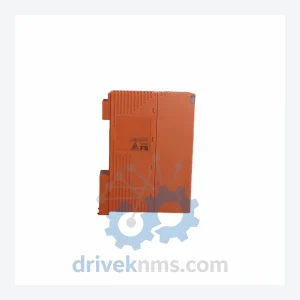
Yokogawa SPW482-E3 S1: CENTUM VP Power Supply Module
Yokogawa SPW482-E3 S1 is listed for CENTUM VP RFQ review. Confirm quantity, condition and destination before quotation.
RFQ-ready industrial model
Model: ADV161-P50 S2
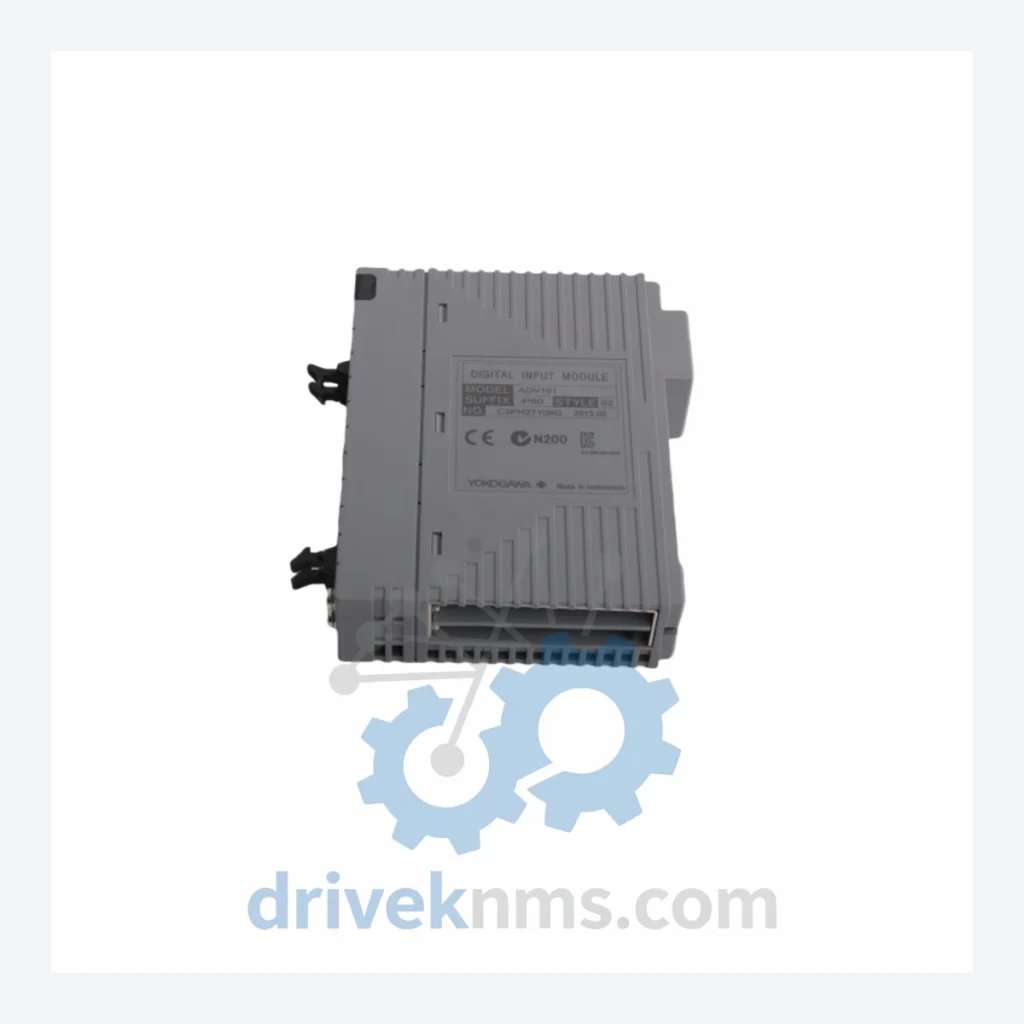
Product Overview
Commercial availability is handled through direct RFQ, model verification and export-oriented follow-up rather than public cart checkout.
Datasheet Preview
Use attached product manuals when available. If the manual is not public yet, request the full file directly through RFQ.
Commercial Path
Product pages on DRIVEKNMS are designed to verify model, brand and series first, then move the buyer into one clean quotation path.
Technical Dossier
RFQ support for obsolete parts: Send the model number, required quantity and destination so DriveKNMS can confirm sourcing options before quotation.
Note: Electrical parameters such as channel count, input voltage range, and scan cycle are not published here to prevent specification errors. Confirmed technical data is provided upon inquiry with your system documentation.
The Yokogawa CENTUM VP platform has been deployed across refineries, chemical plants, and power generation facilities for decades. Its architecture — built around field-proven I/O modules like the ADV161-P50 S2 — was designed for long-cycle industrial operation, not rapid technology refresh. When Yokogawa discontinues a module, the installed base does not disappear. The control logic, field wiring, marshalling cabinets, and operator interfaces remain in service. Only the replacement path closes.
Facilities that have not pre-positioned spare modules face a binary choice when a failure occurs: locate a verified used unit from the secondary market within days, or begin an unplanned system migration under production pressure. The second option is not a maintenance decision — it is a capital project executed under the worst possible conditions.
The ADV161-P50 S2 is not interchangeable with current Yokogawa I/O modules without engineering intervention. Its physical form factor, backplane connector, and firmware handshake are specific to its generation of CENTUM VP hardware. Substituting a newer module requires I/O builder reconfiguration, potential changes to the FCS (Field Control Station) database, and re-validation — work that can take weeks and carries process safety implications. Holding a verified spare of the original module eliminates that risk entirely.
For plant managers and reliability engineers operating legacy DCS infrastructure, the decision to invest in spare parts is a capital allocation question, not a procurement routine. The following framework applies directly to CENTUM VP installations running discontinued I/O modules:
3. Cost Comparison — Spare vs. Migration: A verified spare module from the secondary market: low four-figure cost. An unplanned partial DCS migration triggered by a single module failure: six to seven figures, plus production loss. The arithmetic is not complex.
4. Vendor-Independent Sourcing: OEM end-of-life declarations do not eliminate the secondary market. Industrial asset recovery, controlled decommissioning of similar facilities, and long-term inventory holders like DriveKNMS provide a sourcing path that extends system life without OEM dependency.
5. Documentation Preservation: Alongside physical spares, preserve the original I/O builder configuration files, FCS database backups, and wiring schematics for all legacy modules. If a replacement is ever needed, having this documentation reduces re-commissioning time from weeks to hours.
Discontinued modules sourced from the secondary market carry inherent risk if not properly evaluated. DriveKNMS applies a 5-step inspection protocol to all legacy I/O modules before dispatch review:
Step 1 – Visual and Mechanical Inspection: Full examination of the PCB, connector pins, and housing for physical damage, corrosion, or evidence of prior field failure. Units with pin corrosion, burn marks, or cracked housings are rejected at this stage.
Step 2 – Electrolytic Capacitor Assessment: Aged electrolytic capacitors are the primary failure mode in legacy control hardware. Each unit is inspected for capacitor bulging, electrolyte leakage, and ESR (Equivalent Series Resistance) deviation. Modules with degraded capacitors are either recapped by qualified technicians or removed from saleable inventory.
Step 3 – Firmware Version Verification: Where accessible, firmware revision is confirmed against known compatible versions for the target CENTUM VP system generation. Mismatched firmware can cause silent communication errors that are difficult to diagnose in the field.
Step 4 – Functional Power-On Test: The module is powered and its basic I/O response is verified using appropriate test equipment. This does not replicate full DCS integration testing but confirms the module is electrically functional.
Step 5 – Packaging for Long-Term Storage: Units are packaged in anti-static materials with desiccant. If the module is intended for long-term spare holding rather than immediate installation, this step is documented and the storage environment is controlled.
Drop-in Replacement: The ADV161-P50 S2 installs directly into the existing CENTUM VP I/O nest without mechanical modification. No field wiring changes are required.
No Reprogramming Required: The FCS recognizes the replacement module using the existing I/O builder configuration. There is no requirement to modify the control database, retune loops, or re-validate process interlocks — provided the replacement unit carries a compatible firmware revision.
Avoids Engineering Reconstruction Costs: Using an original-specification replacement module eliminates the need for I/O remapping, marshalling cabinet rewiring, and the associated process safety review that a platform migration would require. The engineering cost avoidance alone justifies maintaining a spare inventory of discontinued modules.
Q: How are RFQ terms confirmed?
A: Quantity, required condition, documentation needs, destination and sourcing route are confirmed during RFQ review before quotation.
Q: Should I buy more than one unit?
A: For any CENTUM VP installation with more than two ADV161-P50 S2 modules in active service, holding at least one verified spare is a minimum prudent position. For critical process units — reactors, compressors, safety-instrumented systems — two spares is the defensible standard. Secondary market availability of this module will not improve over time.
Q: Can you source other discontinued Yokogawa CENTUM VP modules?
A: Yes. DriveKNMS specializes in hard-to-find and discontinued industrial control hardware across multiple platforms. Submit your full bill of materials and we will confirm availability.
Continue The Model Path
Move from this exact model into the matching system hub, brand archive, model-family archive or lifecycle sourcing route before sending a final RFQ list.
Related Paths
Yokogawa SPW482-E3 S1 is listed for CENTUM VP RFQ review. Confirm quantity, condition and destination before quotation.
Yokogawa AAI543-S03 S1 is listed for CENTUM VP RFQ review. Confirm quantity, condition and destination before quotation.
Yokogawa SPW482-53 S1 is listed for CENTUM VP RFQ review. Confirm quantity, condition and destination before quotation.