
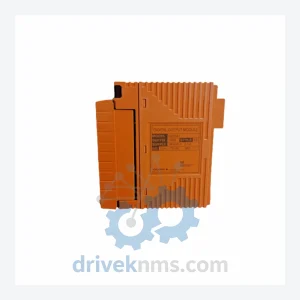
YOKOGAWA CENTUM VP / CS 3000 SDV531-S63 Digital Output Module
Yokogawa SDV531-S63 is listed for CENTUM VP RFQ review. Confirm quantity, condition and destination before quotation.
RFQ-ready industrial model
Model: ADV551-P50 ADV551-P00
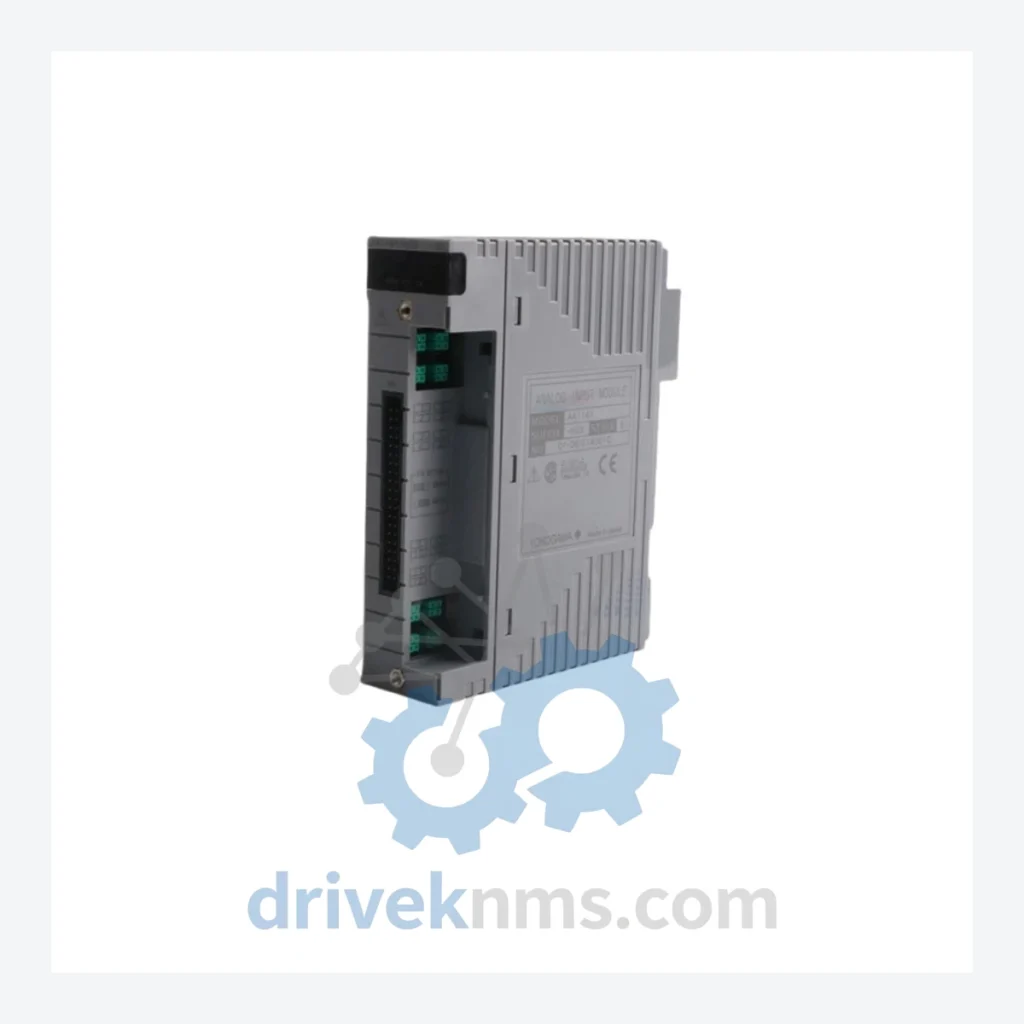
Product Overview
Commercial availability is handled through direct RFQ, model verification and export-oriented follow-up rather than public cart checkout.
Datasheet Preview
Use attached product manuals when available. If the manual is not public yet, request the full file directly through RFQ.
Commercial Path
Product pages on DRIVEKNMS are designed to verify model, brand and series first, then move the buyer into one clean quotation path.
Technical Dossier
RFQ support for obsolete parts: Send the model number, required quantity and destination so DriveKNMS can confirm sourcing options before quotation.
| Part Numbers | ADV551-P50 / ADV551-P00 |
| Manufacturer | Yokogawa Electric Corporation |
| Module Type | Digital Input (DI) Module |
| Compatible System | Yokogawa CENTUM VP / CENTUM CS 3000 |
| Country of Origin | Japan |
| Discontinuation Status | Confirmed Obsolete – No longer manufactured or supplied by Yokogawa |
| Replacement Availability | No direct OEM replacement; drop-in compatible unit required |
Q: How are RFQ terms confirmed?
A: Quantity, required condition, documentation needs, destination and sourcing route are confirmed during RFQ review before quotation.
Plants still running CENTUM VP face a structural problem: the control logic, operator interfaces, and field wiring are deeply integrated. Replacing the DCS is not a maintenance decision — it is a capital project requiring board-level approval, multi-year planning, and significant engineering resources. In the interim, every functional spare part that can be sourced extends the viable operating life of the system by months or years.
Industry maintenance data consistently shows that extending the life of a proven DCS platform by 5 to 10 years through targeted spare parts procurement costs between 3% and 8% of what a full system migration would require. For a mid-sized plant with a CENTUM VP installation valued at USD 2–5 million in original capital, that arithmetic is straightforward. The strategy requires three elements: a current-condition audit of all installed I/O modules, identification of the highest-failure-risk cards based on age and duty cycle, and pre-positioning of verified spares for those specific part numbers. The ADV551 series should be on that list for any plant where CENTUM VP has been in service for more than ten years.
Sourcing obsolete industrial hardware from the secondary market carries real risk. DriveKNMS applies a five-step quality process to every unit before it is offered for sale.
Step 1 – Visual and Mechanical Inspection: Each module is examined for physical damage, connector pin condition, and housing integrity. Units with bent pins, cracked housings, or evidence of field repair are rejected at this stage.
Step 2 – Electrolytic Capacitor Assessment: Aged electrolytic capacitors are the primary failure mode in stored industrial electronics. Capacitance and ESR are measured against manufacturer tolerances. Modules showing capacitor degradation are flagged and not offered as ready-to-install units.
Step 3 – Firmware and Label Verification: Where accessible, firmware revision markings and hardware revision labels are cross-referenced against known CENTUM VP compatibility matrices. Mismatched revisions are disclosed in full before sale.
Step 4 – Pin and Contact Corrosion Check: Backplane connector pins are inspected under magnification for oxidation and corrosion. Affected contacts are cleaned using approved methods; units with structural corrosion are not sold as serviceable.
No Reprogramming Required: CENTUM VP reads module identity from hardware configuration, not from module-resident firmware that requires re-flashing. Inserting a verified replacement does not trigger a re-commissioning cycle.
Q: How is condition confirmed before quotation?
A: Available condition, photos, test records and documentation are checked according to the requested model and sourcing channel before a formal RFQ response.
Q: How do I confirm the unit is genuine and not counterfeit?
A: All units are sourced from decommissioned plant assets or authorized secondary market channels. Hardware revision markings, date codes, and Yokogawa part number labels are verified as part of our intake process. We do not source from unverified brokers.
Q: Can you support multi-unit or repeat RFQ requests?
A: Yes. Send the model list, target quantity and destination so DRIVEKNMS can review sourcing options and quote the requirement as a project RFQ.
Continue The Model Path
Move from this exact model into the matching system hub, brand archive, model-family archive or lifecycle sourcing route before sending a final RFQ list.
Related Paths
Yokogawa SDV531-S63 is listed for CENTUM VP RFQ review. Confirm quantity, condition and destination before quotation.
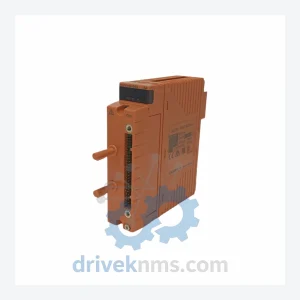
Yokogawa SDV144-S63/PRP S4 is listed for CENTUM VP RFQ review. Confirm quantity, condition and destination before quotation.
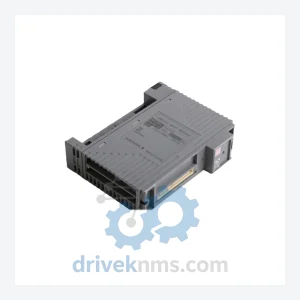
Yokogawa AAI143-H53 S1 is listed for CENTUM VP RFQ review. Confirm quantity, condition and destination before quotation.